Ragnarok Online: World Journey, the complete guide to a classic MMORPG reborn
Rune-Midgard, the six classic jobs, and party play that still matters. What World Journey offers, which class suits you, and how to start free on PC.
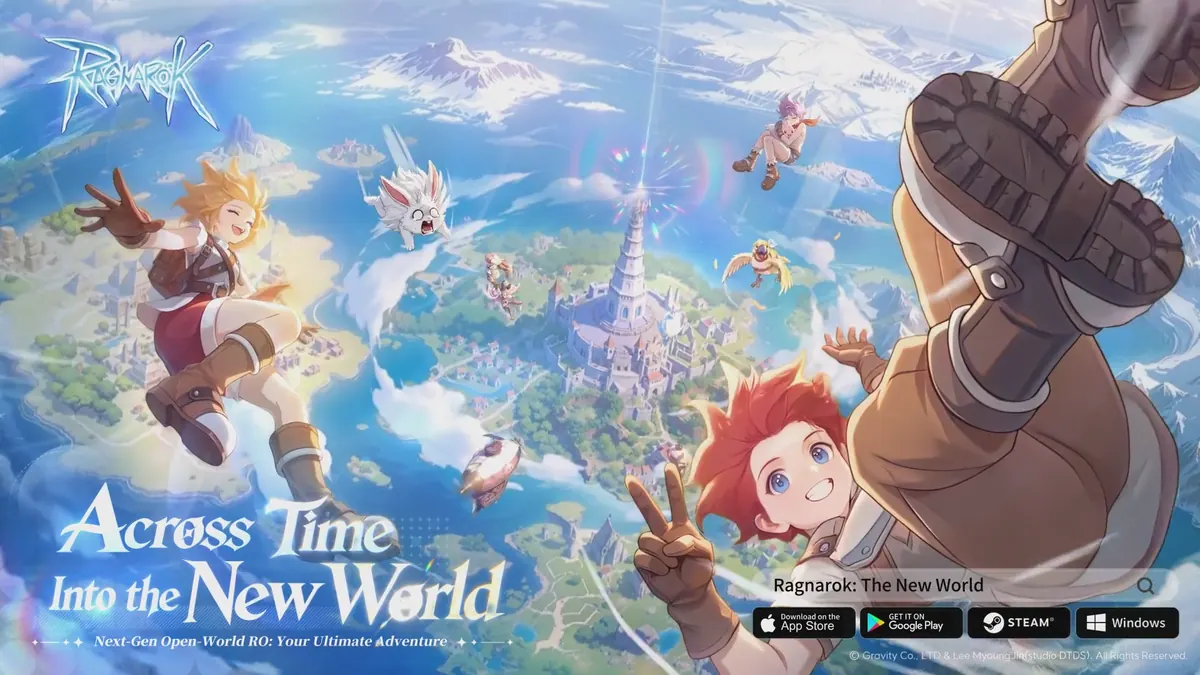
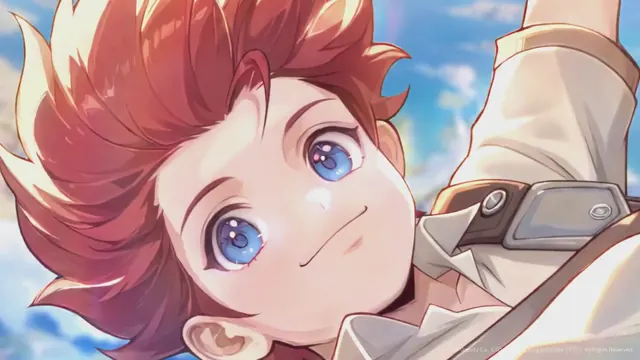 Free to Play · Ragnarok Online: World JourneyPlay Ragnarok Online: World Journey free on PC▶ Play With the World
Ragnarok Online: World Journey carries one of the most affectionately remembered names in MMORPG history. For a generation of players, Rune-Midgard was their first online world. This hub is for two audiences: people returning to it, and people who've never touched a classic MMO and want to know what the fuss was about.
In this guide:
Why the original mattered
Ragnarok Online built its reputation on three things: a warm, hand-drawn art style that has aged remarkably well, a job system with real identity, and, crucially, a social layer that wasn't optional. You grouped up because grouping was better, and friendships came out of that by accident.
Most modern MMOs let you solo to the end. The classic ones made other people the point.
Yuki Tanaka
Free to Play · Ragnarok Online: World JourneyPlay Ragnarok Online: World Journey free on PC▶ Play With the WorldThe six classic jobs: which one is you?
- Swordsman: durable, straightforward, forgiving. The right first pick if you're new to the genre.
- Mage: high damage, fragile. Excellent once you understand positioning, punishing before that.
- Archer: safe, consistent ranged damage. The most comfortable solo levelling experience.
- Acolyte: support and healing. Never struggles to find a party, and understands the game fastest.
- Thief: fast and evasive, rewards players who like mobility and burst.
- Merchant: the odd one out: built around trade and economy as much as combat.
If you're unsure, Archer or Swordsman will get you to the interesting part of the game with the least friction. Acolyte is the pick if you already know you enjoy playing with other people.
Job changes and long-term progression
Each of the six base jobs eventually branches into advanced job changes that reshape the class meaningfully rather than just adding levels to the same kit. A Swordsman's advanced path plays noticeably differently from where it started, and the same is true across all six. That branching structure is what gives the game its long tail: the early job choice matters, but it's the beginning of a path rather than the whole of it.
Party play and why it still matters
Several classic encounters are tuned around a balanced party rather than a solo build. A party missing healing or crowd control will hit walls that a properly-composed group sails through. That design choice is deliberate, not dated: it's the mechanism that turns strangers into regular groupmates, which is exactly the social effect the original was known for.
The player-driven economy
Trading and crafting form a real player-driven economy rather than a vendor-only system. Merchants in particular can build a profitable playstyle around buying low, crafting, and reselling, and even non-Merchant players benefit from an active marketplace when gearing up. It's one of the classic-MMO touches that modern games have largely abandoned in favor of simpler, more controlled economies, and its presence here is part of what makes the world feel lived-in rather than static.
What to expect from a classic-style MMO
Set expectations honestly: this is a slower game than a modern action RPG. Progression is measured in sessions, not minutes, and the early hours are gentle rather than explosive. That pace is the appeal for the people who love it. It's a game to live in rather than to finish.
World Journey keeps the visual identity that made the original recognizable at a glance while smoothing over some of the more punishing friction points of the classic-era design. This isn't a 1:1 emulator of the old client, it's a reborn version built to be approachable for a modern audience without losing what made the original worth remembering.
Guilds and the world beyond your party
Above the party layer sits the guild, a structure that in classic Ragnarok wasn't cosmetic, it organised who controlled contested resources and who you could call on when a fight was bigger than your party could handle. World Journey keeps that structure intact, and it's worth joining one well before you think you need it. New players often wait until they hit a wall to look for a guild, when the better move is joining early and simply being a friendly, active member. Guilds remember who showed up, and that reputation pays off the first time you actually need help.
Guild-run events and territory contests are also where a lot of the game's genuine community moments happen. The kind of shared, slightly chaotic memory that a solo player never gets access to, no matter how efficiently they level.
Getting started
Don't rush your first job change. The base job phase is short by design and exists to let you feel out a playstyle before committing to an advanced path. Find a party for at least your first few sessions even if you plan to solo later; the social layer is easier to appreciate once you've experienced it firsthand rather than reading about it secondhand.
Who it's for
- Returning players who want that specific art style and world back.
- Newcomers curious about where a lot of modern MMO design came from.
- Anyone who wants a game with an actual community rather than matchmaking.
Want a bigger, faster fantasy world instead? Where Winds Meet is the modern open-world counterpart.
It's free to start, and an hour in Rune-Midgard is the only reliable way to know whether the classic MMO rhythm still works for you.
Even players with no nostalgia for the original owe it a fair shot. A surprising number of newer MMO conventions trace their roots back to design choices this series made first, and seeing where they came from adds context that's easy to miss playing only the games that came after.