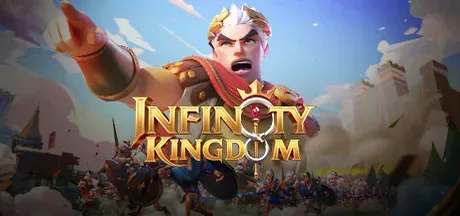
Infinity Kingdom: the complete strategy-MMO guide
Cartoon-styled 4X strategy with immortal heroes and alliance warfare. What Infinity Kingdom is and how to start free on PC.
 Free to Play · Rise of KingdomsPlay Rise of Kingdoms free on PC▶ Rule the Map — Free
Infinity Kingdom, from GoGames, is a stylized 4X strategy MMO built around immortal heroes, elemental dragons and alliance warfare. This hub covers the core loop, how its systems layer together, and why it's an approachable entry into the genre.
In this guide:
Approachable 4X
Grow a kingdom, collect and level immortal heroes, and coordinate with an alliance to control the map. The cartoon art keeps it light and approachable at a glance, but the strategy layer underneath (resource management, hero synergy, alliance coordination) runs deeper than the art style suggests to anyone judging it by screenshots alone.
That approachability is a deliberate design choice, not a limitation. A lot of strategy MMOs front-load dense UI and jargon that scares off players who'd otherwise enjoy the genre; Infinity Kingdom eases you into the same systems (production chains, troop types, territory control) through a friendlier presentation, without actually simplifying the systems themselves once you're a few hours in.
Immortal heroes and dragons
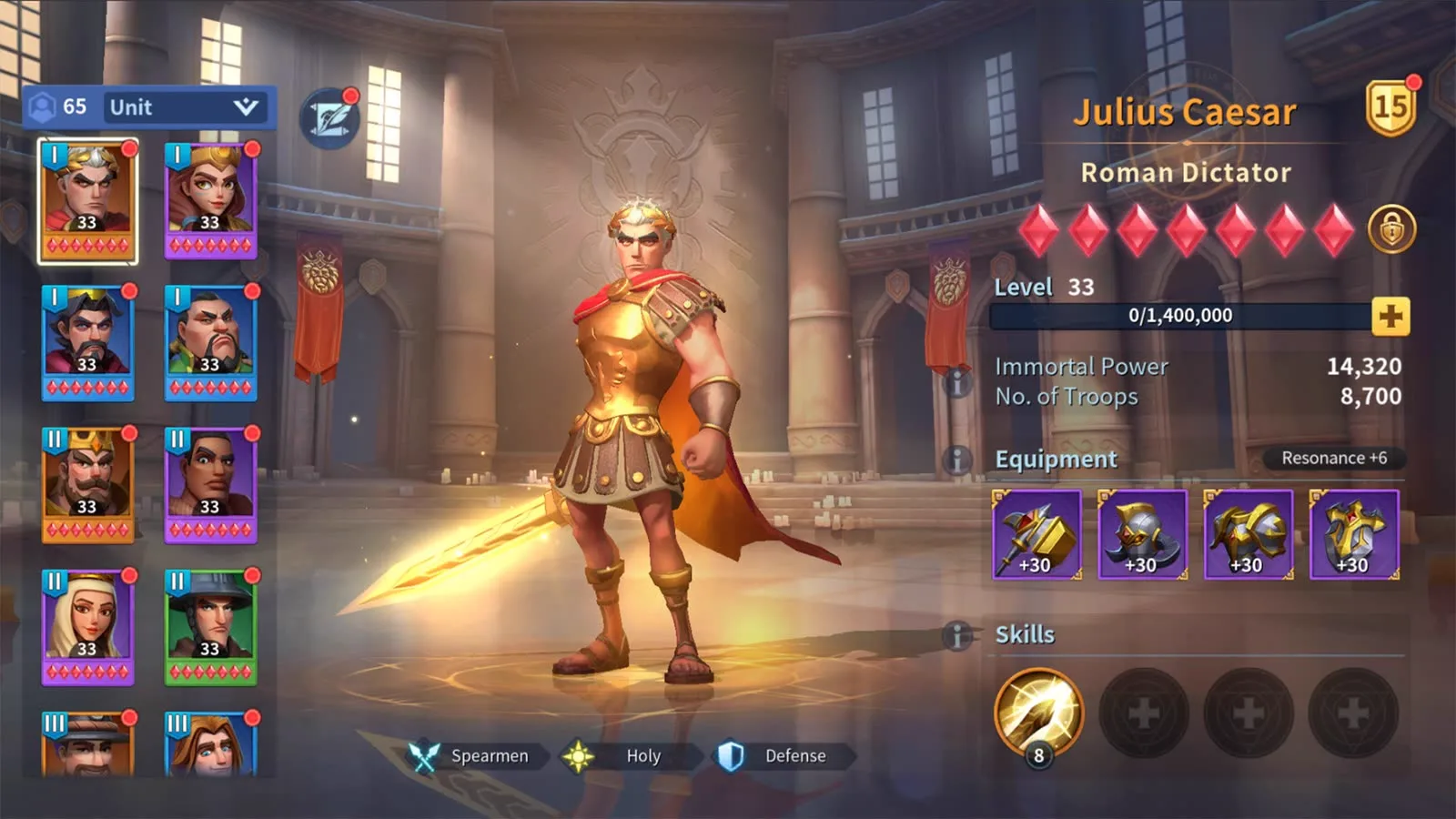
Immortals are recruited historical and mythological figures who lead your armies, and pairing them with elemental dragons adds a rock-paper-scissors layer to combat that rewards knowing what an opponent is likely running rather than just fielding your strongest units blindly. Building a roster that covers at least two or three of the possible elemental match-ups is worth more early than maxing out a single favorite immortal, since you can't always dictate which type of army you end up fighting.
Free to Play · Rise of KingdomsPlay Rise of Kingdoms free on PC▶ Rule the Map — FreeDragon elements and the counter system
Each elemental dragon type is strong against one type and weak against another, which means scouting an opponent's likely dragon element before committing to a fight is a real, learnable skill rather than guesswork. Players who fight blind, sending whatever army is ready regardless of what they're likely to face, lose engagements a properly-scouted attack would have won outright. This is the layer that keeps combat from being pure numbers: a smaller, correctly-countered force can beat a larger, badly-matched one.
City-building and defense
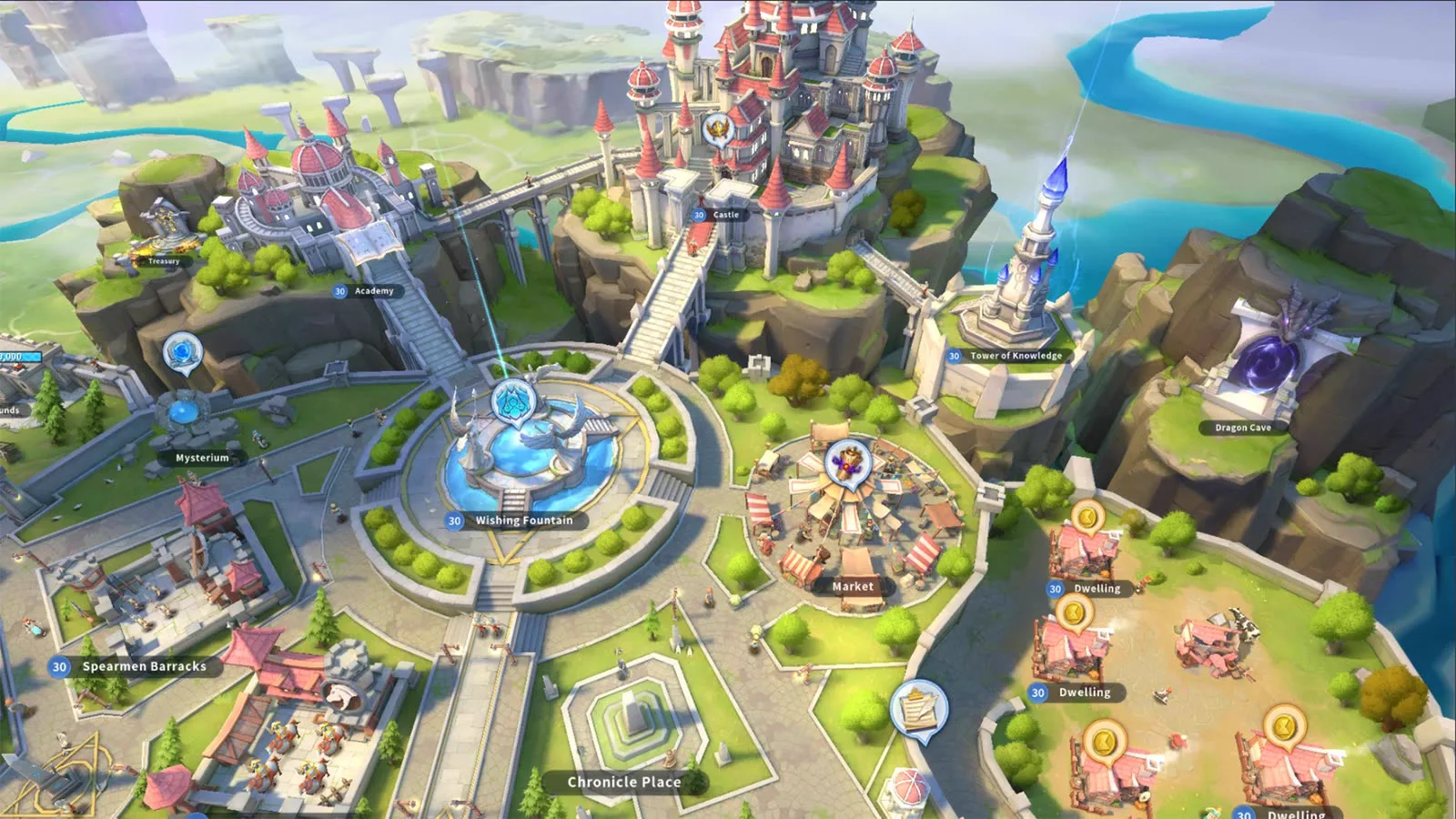
Building and fortifying your city is the foundation everything else sits on. A well-defended city protects the resources that fund immortals and dragons, while a weak one becomes an easy target the moment rival kingdoms notice. Balancing offense and defense investment is a real ongoing decision, not a one-time setup step, and the balance point shifts as your kingdom grows and becomes a more visible target on the map.
Building placement inside your city also matters more than new players expect. Production buildings clustered near each other tend to benefit from adjacency bonuses in games of this type, and defensive structures positioned to cover your most valuable buildings first (rather than spread evenly) hold up better against a real attack. Treating your city layout as a one-time setup you never revisit is a common early mistake; revisiting it as your kingdom grows keeps your defense actually matched to what you're defending.
Research and the long-term power curve
Beyond immortals and dragons, a research tree governs economic output, troop capacity and building efficiency, and it's easy for new players to under-invest here while chasing flashier hero pulls. Research compounds the same way it does in most strategy MMOs, a kingdom that invested steadily in economic research from day one tends to out-produce a kingdom that ignored it in favor of pure military strength, even if the military-focused kingdom looked stronger on paper early on.
Troop types also matter more than they first appear. Infantry, cavalry and ranged units carry their own soft counters against each other on top of the elemental dragon layer, so a well-rounded army composition tends to outperform a single-type mass army against a mixed opposing force. New players who scale up whichever troop type they trained first, without diversifying, tend to hit a wall the moment they face an opponent who scouted that weakness.
Alliance coordination and map control
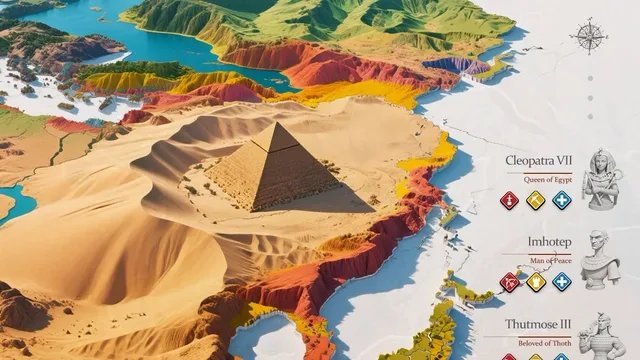
Territory wars are fundamentally alliance activities. Coordinated timing and shared intelligence about rival movements matter more than any single kingdom's individual strength. As with most strategy MMOs in this catalog, an active alliance turns the mid-and-late game from a grind into the actual point of playing.
Alliances typically organize around shared objectives, a coordinated rally against a strong AI stronghold, a defensive pact against an aggressive neighboring alliance, or simply pooled resources to help newer members grow faster. Which kind of alliance you join shapes your whole experience more than any individual build choice does; a quiet, cooperative alliance and an aggressive, expansionist one offer different games even though the underlying systems are identical.
PvP, protection and when you're actually exposed
New kingdoms typically get a protection period that shields them from attack while the basics get established, and it's worth using that window deliberately rather than treating it as free time. Build your defensive structures and settle into an alliance before protection lapses, not after. Once you're exposed to open PvP, the kingdoms that fare best are the ones that used their protected window to actually prepare for it.
It's also worth understanding that PvP intensity varies a lot by server age and map region. A fresh server tends to be more contested as everyone races to establish territory, while an older, more settled server often has quieter, more predictable borders once the dominant alliances have sorted out their spheres of influence. Picking which kind of environment you actually want (chaotic and competitive, or steady and cooperative) is worth doing consciously rather than accepting whichever server you land on by default.
Getting started
Prioritize your first few immortals based on the roles they fill (control, damage, support) rather than raw power alone, and don't neglect city defense while chasing offensive growth. A kingdom that can't hold what it builds isn't actually progressing.
Join an active alliance in your first session rather than waiting to feel ready. The shared knowledge and protection an alliance offers is worth more in week one than any solo head start you could build in the same time. Ask alliance members which immortals and dragon elements they're already running before you commit your own early pulls; a kingdom's alliance is stronger when its members cover different roles rather than everyone chasing the same popular build.
How it compares to other strategy MMOs here
Compared to Rise of Kingdoms, Infinity Kingdom leans lighter and friendlier in presentation while keeping a comparable strategic depth underneath. If the historical-commander approach of Rise of Kingdoms appeals but the tone feels too serious, this is the same core loop with a warmer art style wrapped around it. Compared to Three Kingdoms: Strategy for the World, it trades that game's class-specialization system for a more traditional hero-collection model, which tends to suit players who prefer building a roster over committing to a single role for the life of their account.
The honest takeaway: none of the strategy MMOs in this catalog are strictly better than the others. They differ in tone, in how much the game front-loads its complexity, and in whether progression is built around a roster of heroes or a single character build. Infinity Kingdom's specific niche is being the easiest of the three to pick up in a first sitting without actually being shallow once you're past the first week.
If you've bounced off a strategy MMO before because the interface or the opening hours felt overwhelming, that's the specific problem this game is built to solve. The same underlying systems genre veterans expect, introduced at a pace that doesn't demand a spreadsheet mindset from minute one.
Who it's for
- Collectible immortal heroes.
- Kingdom-building and 4X expansion.
- Alliance coordination and map control.
- Free-to-play on Windows PC.
If you want a friendlier on-ramp into strategy MMOs without sacrificing real depth, Infinity Kingdom is a strong pick, and it's free to start.