Where Winds Meet: the complete guide to the free wuxia open world
The living 10th-century-China sandbox, explained. Traversal, professions, combat, and how to start free on PC.
 Free to Play · Where Winds MeetPlay Where Winds Meet free on PC▶ Master the Blade
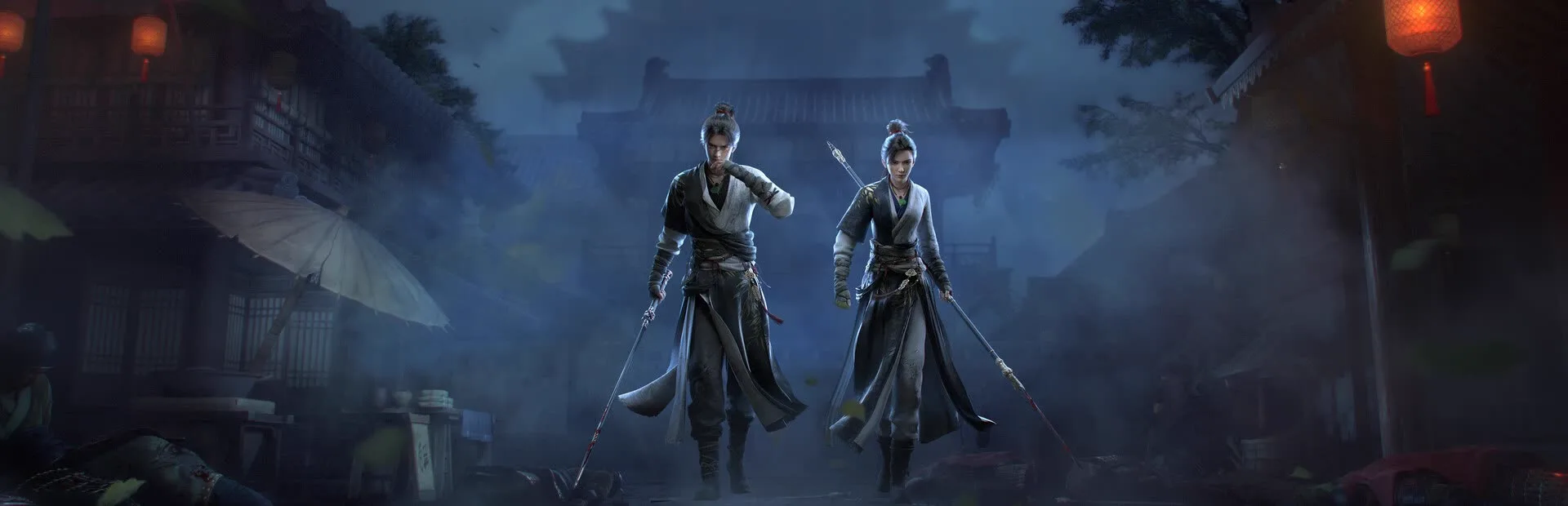
Where Winds Meet is a free-to-play wuxia open world set in 10th-century China, and one of the most ambitious sandboxes in the free-to-play space, built by Everstone Studio and published by NetEase Games. This is your hub for how it plays, how its systems fit together, and why it's worth the install.
In this guide:
- A living world, not just an open one
- Traversal: water-walking and the wuxia fantasy
- Combat built on timing, not stat checks
- Professions: a life-sim layer with real stakes
- Progression and the jianghu reputation system
- Gearing up without the usual grind wall
- World events and how the map reacts to you
- Sects, companions and the social layer
- Getting started
- Why play it
A living world, not just an open one
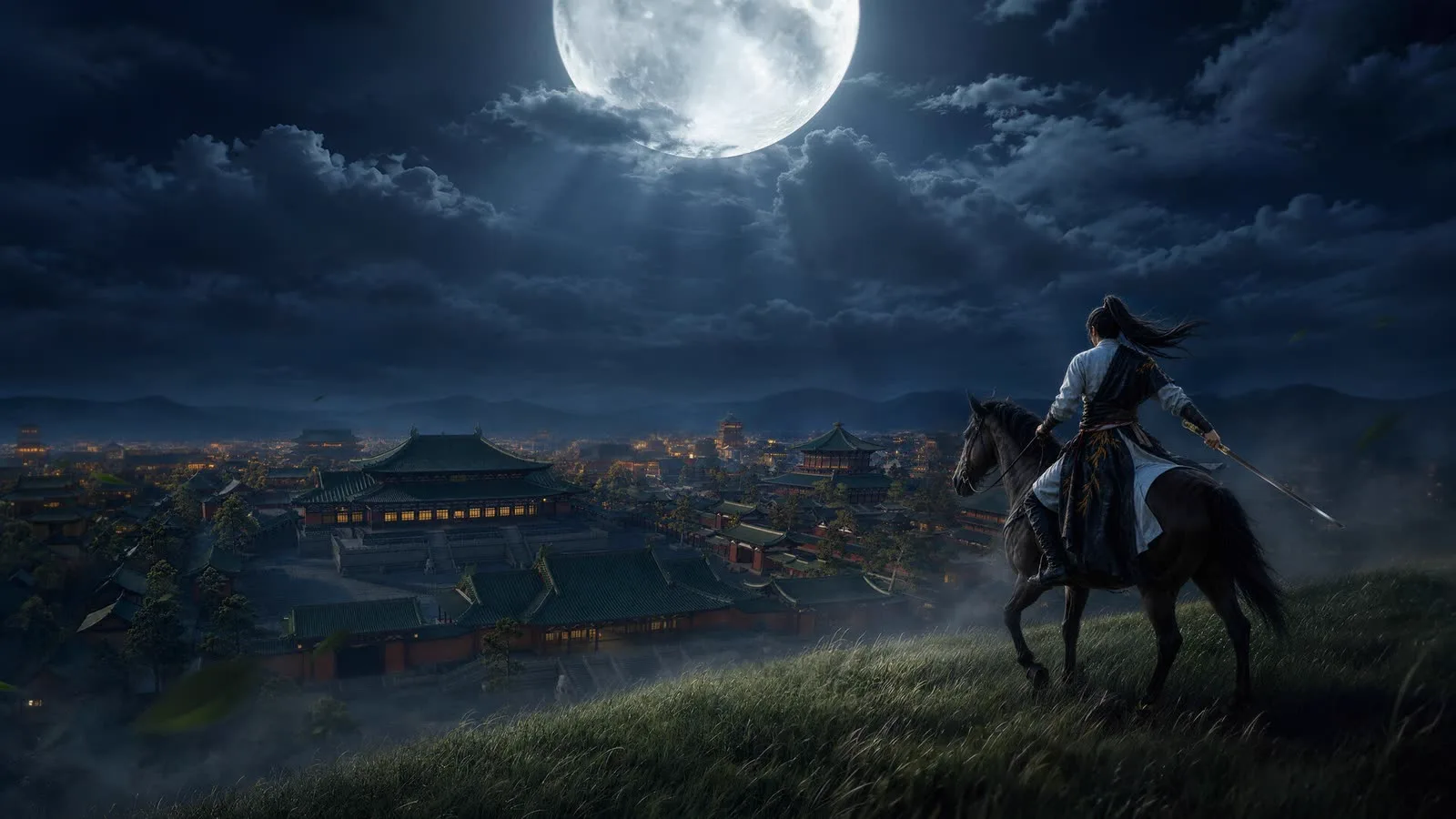
The map is filled with thousands of NPCs running actual routines, an economy you can join and manipulate, and professions that change your whole playstyle. Physician, architect, bodyguard, and more. It's less an open world than a world you live in: villages have market cycles, NPCs remember reputation, and the sandbox keeps generating things to do that aren't just quest markers waiting for you to walk over them.
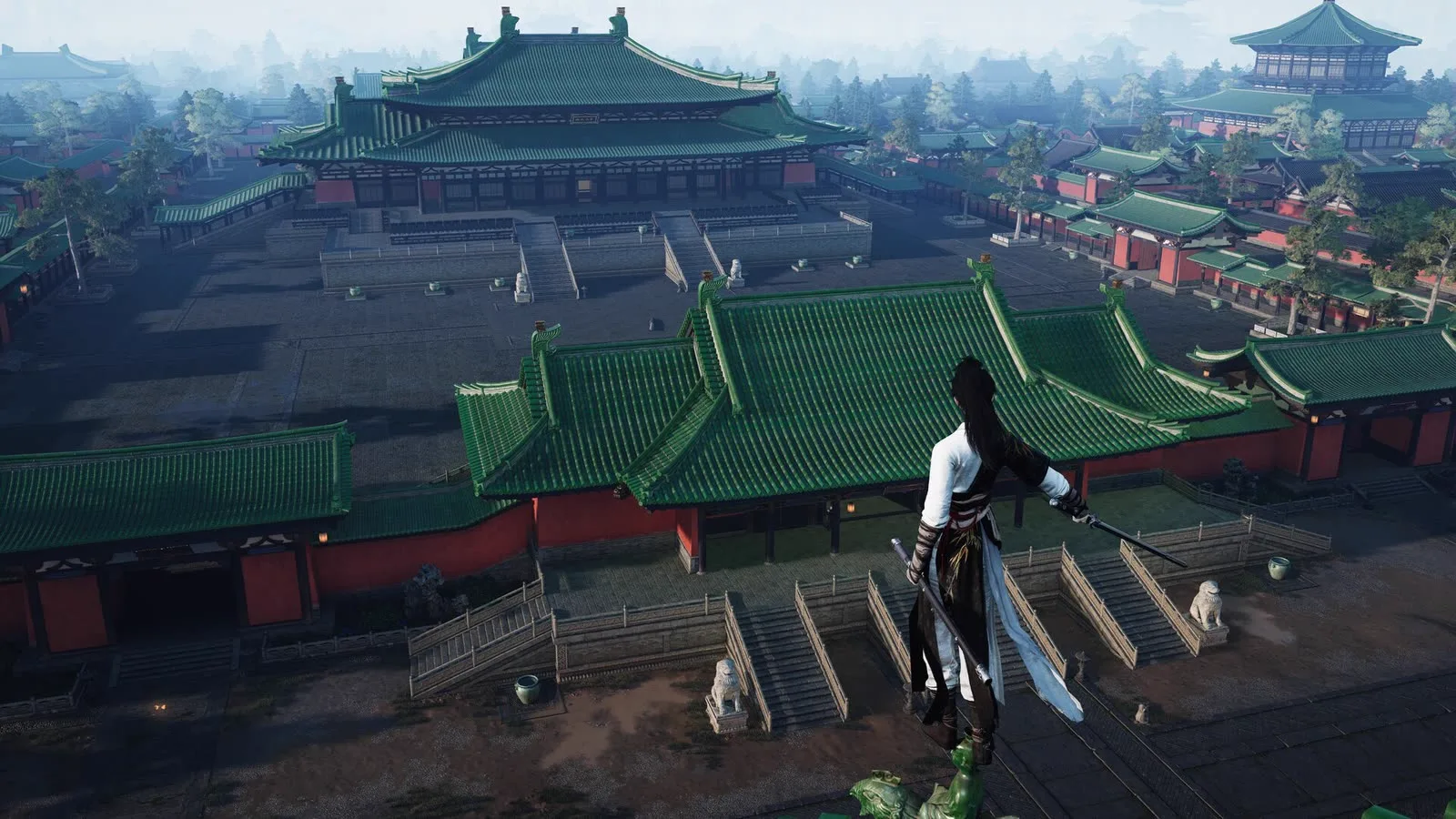
Set in 10th-century China during a period of genuine historical upheaval, the setting isn't just wallpaper. The political instability of the era is baked into faction conflicts and regional storylines that shift depending on which powers you side with.
Traversal: water-walking and the wuxia fantasy
Legendary techniques let you run across water, leap between rooftops, and cover ground the way wuxia films promise but most games can't deliver. It's not a fast-travel substitute. It's faster and more fun to move under your own power once you've unlocked a few of the core techniques, and the game's level design around cliffs, rivers and rooftops is clearly built with that in mind rather than as an afterthought.
Free to Play · Where Winds MeetPlay Where Winds Meet free on PC▶ Master the BladeCombat built on timing, not stat checks
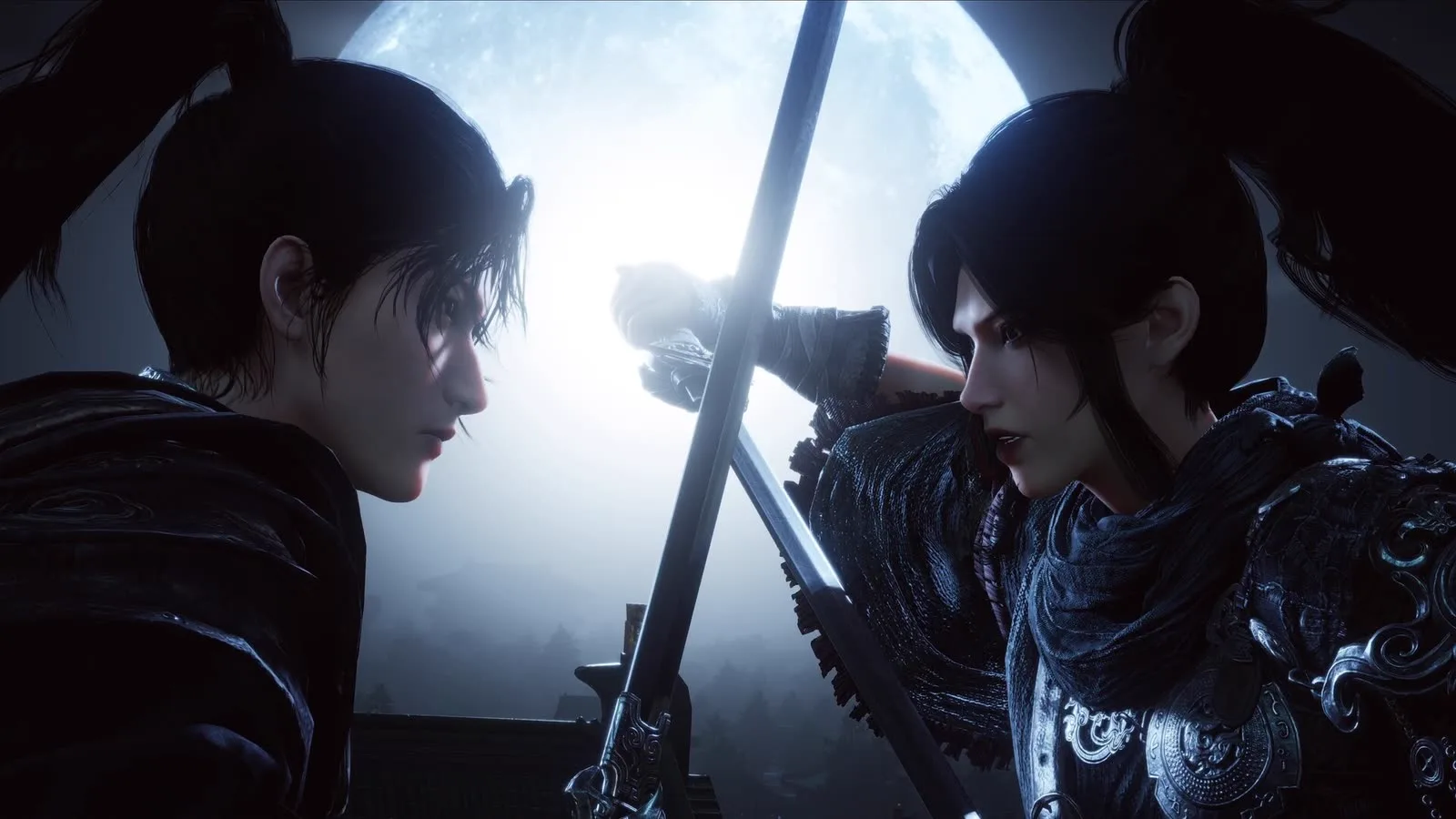
Combat rewards reading an opponent's stance and committing to the right counter rather than out-leveling the fight. Different weapon styles change your rhythm entirely. A heavy stance trades speed for windows that punish hard, a light stance keeps you mobile but asks for more precise timing. Duels against named NPCs, in particular, play more like a martial-arts showdown than a numbers race: over-leveled gear helps, but it won't carry you through a fight you're reading wrong.
Professions: a life-sim layer with real stakes
Picking a profession isn't cosmetic. A physician can treat injuries (including their own, mid-adventure) and brew remedies that sell for real income; an architect can build and upgrade structures that other systems interact with; a bodyguard escorts caravans through contested territory for pay, with real risk of ambush along the way. Professions open distinct quest lines you'd otherwise never see, and picking one shapes which parts of the map actually matter to you day to day.
Progression and the jianghu reputation system
Beyond character level and gear, Where Winds Meet tracks your reputation across the jianghu, the wider martial-arts world, which opens or closes doors with factions, named NPCs and storylines. Acting honorably with one faction can put you at odds with a rival one; the game doesn't force a single moral path and lets consequences follow from what you actually chose to do, not from a dialogue-wheel alignment meter.
Gearing up without the usual grind wall
Equipment matters, but Where Winds Meet leans harder on skill expression than most open-world action games. A well-timed counter from a modestly-geared character can still win a duel against someone with better numbers. Gear upgrades come from a mix of crafting, profession income and world drops rather than a single grind-gated system, which means players who lean into professions often find themselves gearing up as a side effect of playing the parts of the game they actually enjoy, rather than through repetitive farming runs.
World events and how the map reacts to you
Beyond scheduled quests, the map runs dynamic events, a caravan under ambush, a market shifting prices after a local disruption, a rival sect making a move you can intervene in or ignore. None of it waits patiently for you to notice; missing an event doesn't fail a quest, it simply means the world moved on without your input, which is exactly the texture that makes Where Winds Meet feel alive rather than staged.
Sects, companions and the social layer
Joining a sect brings its own techniques, quest lines and a built-in group of people to explore with, and unlike some open-world games where a guild is just a chat channel, sects here tie directly into story content and territory activity. Companions you recruit along the way add another layer: some assist in combat, others unlock unique dialogue and profession bonuses. None of this is mandatory, but players who engage with the social systems tend to describe the game very differently from those who treat it as a solo sandbox. The living-world feeling the game is built around depends partly on choosing to actually live in it alongside other people.
Getting started
Take the profession choice seriously in your first few hours rather than picking at random. It colors a meaningful chunk of your early content. Prioritize unlocking at least one water-walking technique before you go exploring far from the starting region; the traversal changes how much of the map feels reachable. For the deeper systems dive once you're past the opening hours, read how Where Winds Meet expands its living world.
Why play it
- Wuxia combat built on timing and technique, not stat-checks.
- Water-walking and aerial traversal that feels like a martial-arts film.
- Life-sim professions that open different quests and income.
- Thousands of NPCs with real routines, not scenery.
- Free-to-play on Windows PC.
If you've wanted an open world that actually behaves like a world instead of a quest-delivery grid, this is the free-to-play game built closest to that promise. Step into the jianghu yourself. It costs nothing to try.