World of Sea Battle: the complete guide to the open-sea MMO
A massive open-world naval MMO of trade, piracy and player-run fleets. What it is and how to start free on PC.
 Free to Play · World of Sea BattlePlay World of Sea Battle free on PC▶ Enter the World Free
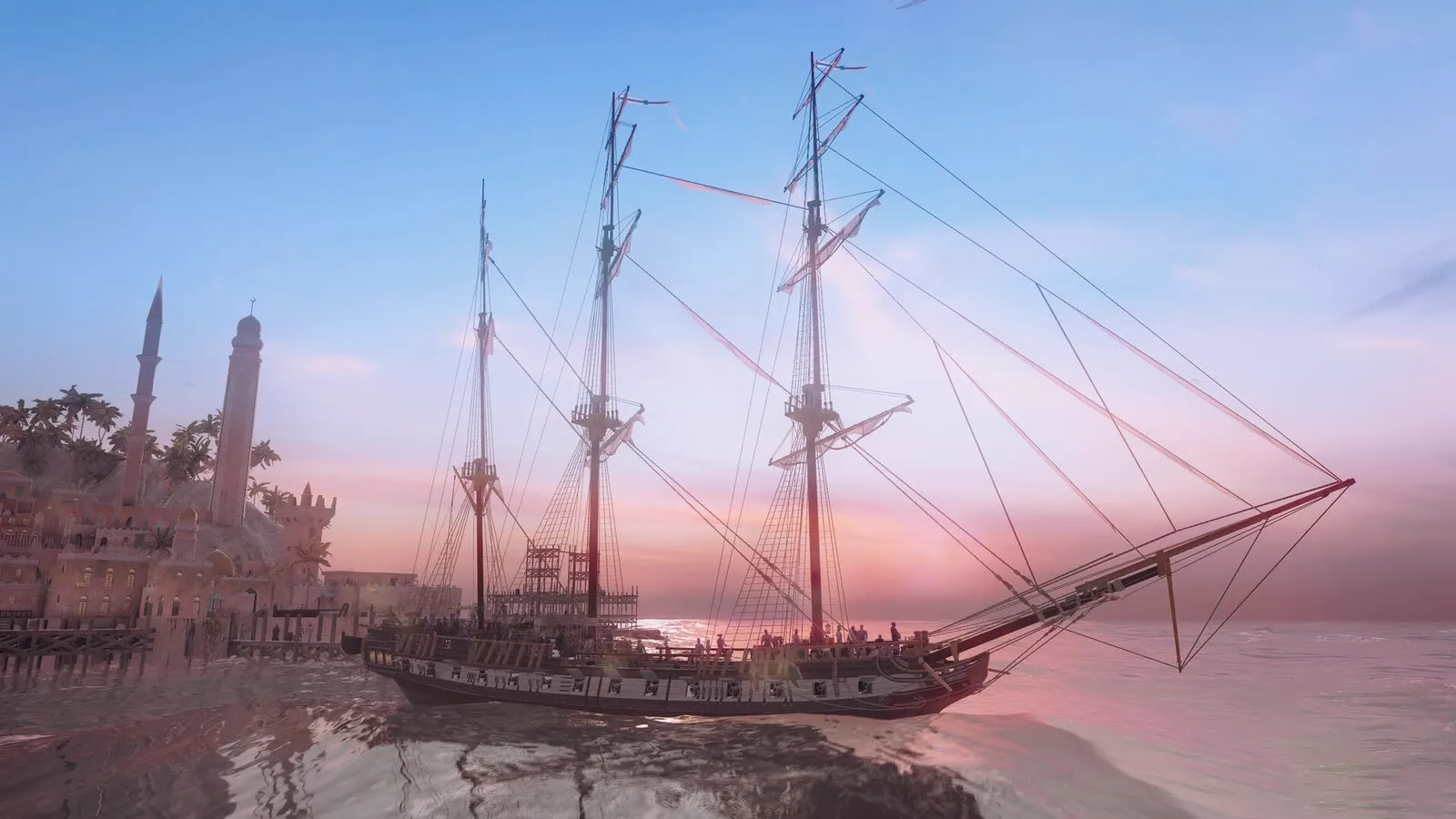
World of Sea Battle, from Vega Games, is a sprawling open-world naval MMO. Sail, trade, fight and build a reputation on a shared sea. This hub covers what it is, how the open-ended systems fit together, and why the sandbox freedom is the draw.
In this guide:
The sea is the sandbox
Captain your own ship, run trade routes, turn pirate, or join a fleet. The open sea doesn't tell you how to play. Player interaction, both cooperative and hostile, is what makes each voyage unpredictable: a trade run that's routine one day can turn into a chase and a fight the next, depending entirely on who else is out on the water.
Your ship as your identity
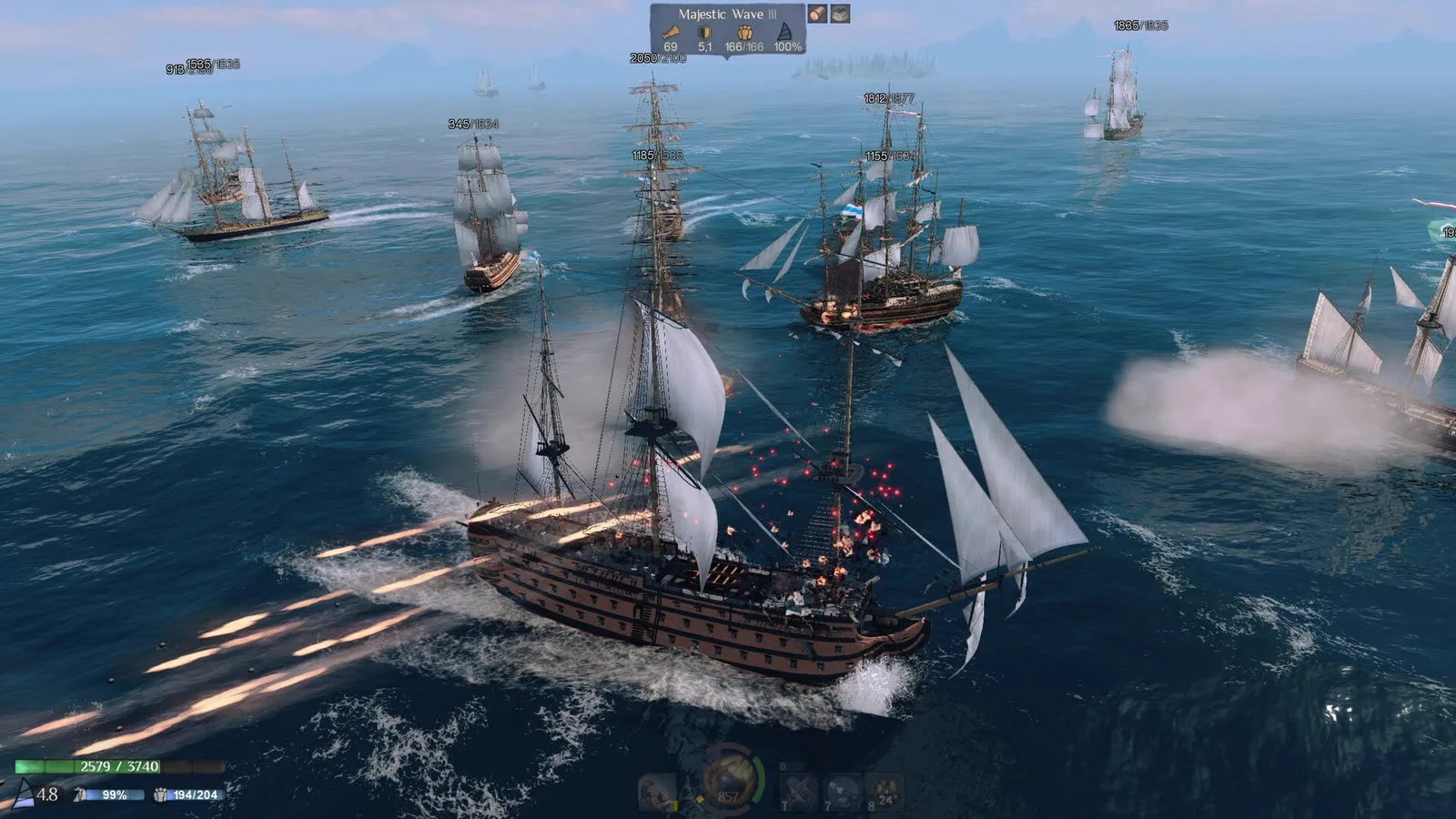
Ships are upgraded and specialized meaningfully. A cargo hauler built for trade runs handles completely differently from a combat-rigged vessel built to hunt or defend, and most serious players end up choosing a lane rather than trying to build one ship that does everything adequately.
Free to Play · World of Sea BattlePlay World of Sea Battle free on PC▶ Enter the World FreeCrew and specialist roles aboard
A ship's crew isn't interchangeable filler. Specialists assigned to navigation, gunnery or cargo handling each affect what the ship can actually do, and a well-crewed trade vessel outperforms an identical hull with a mismatched crew. Building crew composition around your chosen lane (trade, combat, or hybrid) is as much a part of ship identity as the hull upgrades themselves.
Trade routes and turning pirate
Trading is a legitimate, profitable path on its own. Reading supply and demand across ports and running the routes efficiently is its own skill. Piracy is the other side of that same economy: every profitable trade route is also a target, and the choice to prey on other players' cargo runs (or defend your own) is where most of the game's unscripted drama comes from.
Player-run fleets and rivalries
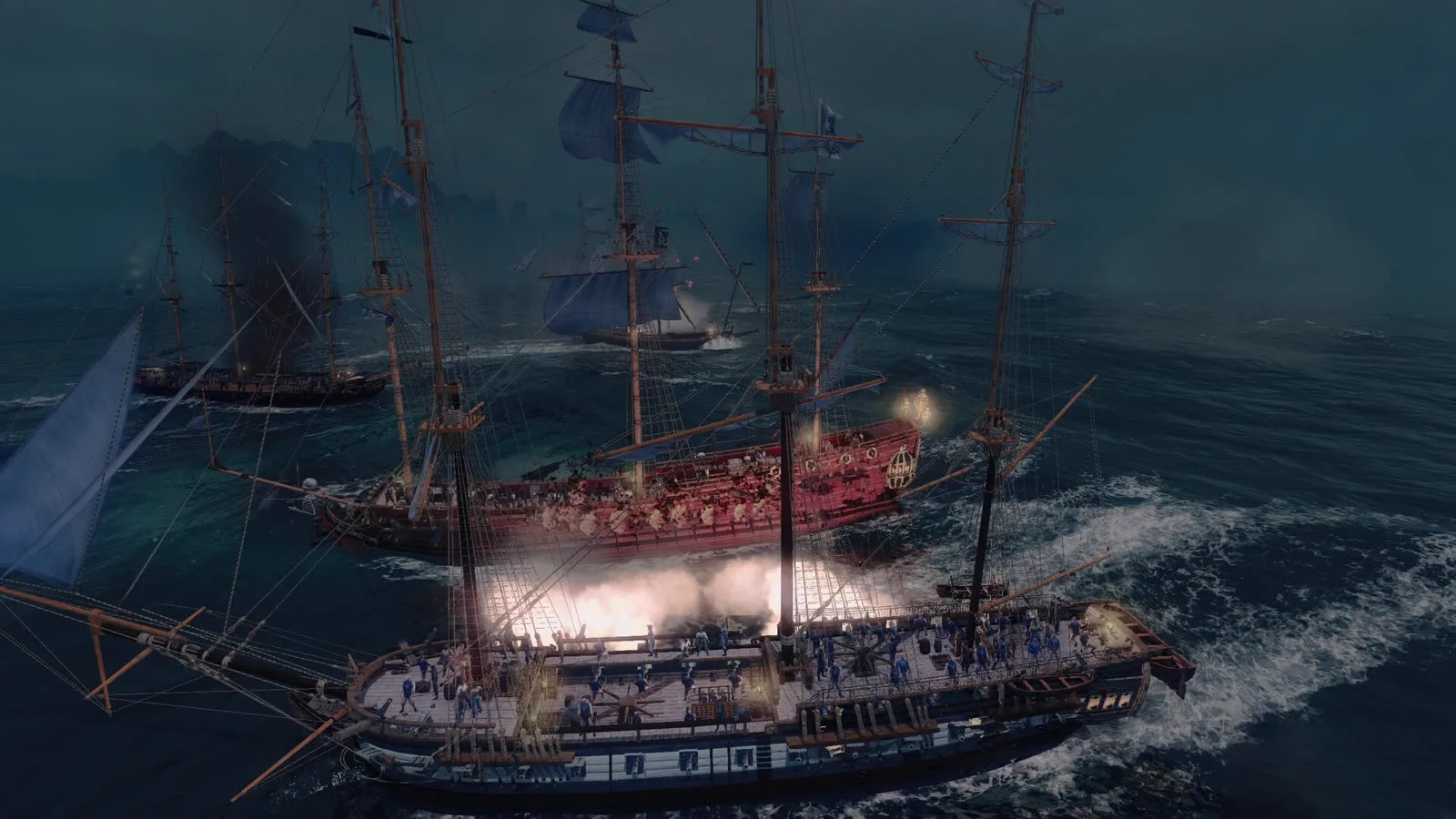
Fleets form around shared goals (some built for coordinated trade protection, others for territorial control or organized piracy) and reputation within and between fleets carries real weight. A fleet known for honoring truces gets treated differently than one known for breaking them, and that reputation follows you across the whole shared sea.
Reputation and how it follows you
Because the sea is shared rather than instanced, reputation isn't a mechanic that resets between sessions. Other players remember whether you honored a truce or ambushed them mid-trade, and that memory shapes how they treat you the next time your paths cross. It's one of the quieter but more genuine consequences of a fully player-driven economy: your actions have a social cost or a social payoff that persists.
Getting started
Decide early whether you're leaning trade, combat or a hybrid, and upgrade your first ship toward that lane rather than spreading investment thin. Sticking to safer, well-traveled routes while you're still learning the systems is a reasonable way to build capital before venturing into contested waters.
Watch how other players behave around you in your first sessions before committing to a reputation of your own. Observing which routes are contested, which fleets are actively hostile, and which regions feel safer tells you more about the actual state of your server than any guide can, since the balance of power on a shared sea shifts constantly based on who's active and what they're doing.
Solo play is entirely viable for the trading side of the game, but combat and defense scale noticeably better with even a small, informal group. A lone trader is a much easier target than one traveling with an escort. Fleets don't need to be large or highly organized to provide that protection; even a loose group of a few players who watch each other's backs on shared routes changes the risk calculus meaningfully.
The game's economy responds to real supply and demand rather than fixed NPC prices in most regions, which means paying attention to what's scarce where, and adjusting your trade routes as conditions shift, is a genuine, ongoing skill rather than something you learn once and stop thinking about. Markets that were profitable last week can dry up as other traders notice the same opportunity, which keeps the economic side of the game from ever fully solving itself.
None of this requires a huge time investment to start seeing. Even a modest early ship earning steady trade income teaches the economic fundamentals well enough to build on later, so there's no need to feel behind if your first few sessions are spent on short, cautious routes rather than ambitious ones.
Who it's for
- A huge open-world sea to sail freely.
- Trade, piracy and naval combat.
- Player-driven fleets and rivalries.
- Free-to-play on Windows PC.
Compared to the more strictly territorial strategy MMOs elsewhere in the catalog, World of Sea Battle trades fixed city defense for something more fluid. Your ship, your cargo and your standing move with you, which means the game's stakes are always mobile rather than anchored to one spot on the map. That's a meaningfully different feel from the base-building genre it otherwise resembles, and it's worth knowing which one you actually want before picking between them.
If open-ended MMO sandboxes appeal to you, World of Sea Battle gives you the whole ocean, and it's free to start.
New captains shouldn't feel pressure to pick a permanent lane on day one either. Trying trade for a few sessions and combat for a few more is a reasonable way to learn what the sea actually rewards before committing to the ship and crew build that defines your longer-term reputation.