MU: Dark Epoch: the complete guide to the classic MU remaster
Dungeons, guilds and open PvP in a remastered take on the MU saga. What MU: Dark Epoch is and how to start free on PC.
 Free to Play · MU: Dark EpochPlay MU: Dark Epoch free on PC▶ Enter the World Free
MU: Dark Epoch, from 37GAMES, takes the long-running MU saga and remasters it. Classic classes, dungeon runs and guild PvP, with the grind smoothed out for a modern audience. This hub covers what it is, how its systems fit together, and who it's built for.
In this guide:
A classic MMORPG, modernized
Pick a class with a long chain of branching change-ups, clear dungeons with a party, and fight for territory in open PvP around Roland City. A free-trade auction house means gearing up doesn't require luck alone, a boosted drop rate keeps upgrades coming, and AFK leveling covers the grind while you're away from the keyboard. A modern concession to a genre that used to demand hours of manual grinding just to stay competitive.
The original MU built a loyal following in the mid-2000s on exactly this loop (classes, dungeons, open PvP over territory) and this remaster's biggest bet is that the loop still holds up with two decades of quality-of-life improvements layered on top rather than a ground-up reinvention.
Classes and branching change-ups
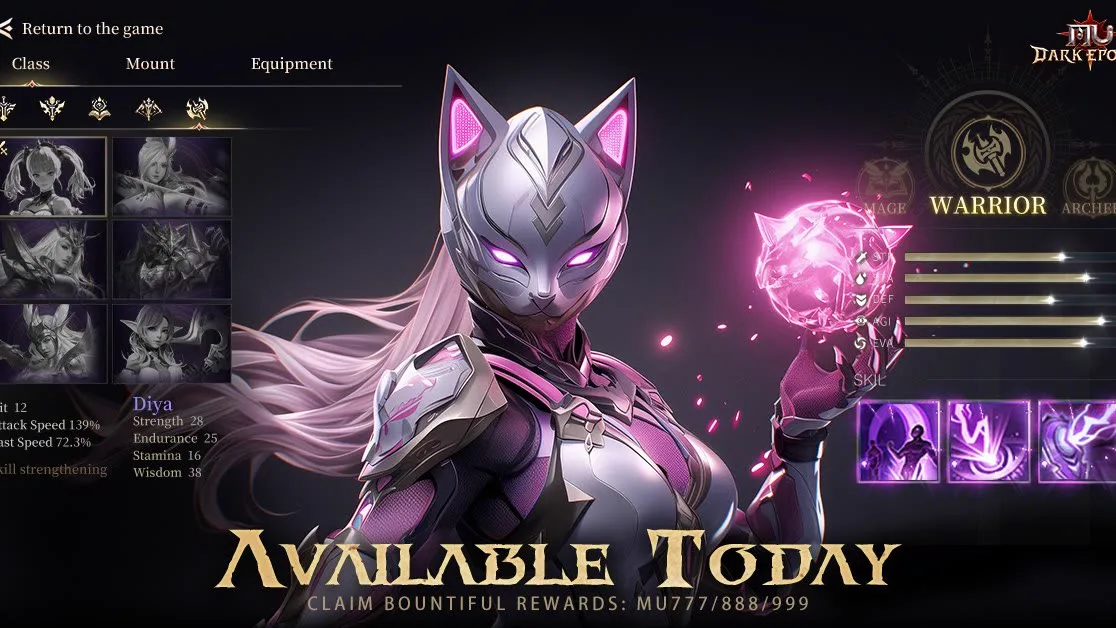
Rather than a fixed class you're locked into at creation, MU: Dark Epoch lets you branch your starting class into successive change-ups as you level. Each branch reshapes your skill set meaningfully rather than just adding bigger numbers to the same abilities. Players who remember the original MU's class system will recognize the structure immediately; newcomers get a genre-standard progression path without needing that history.
Free to Play · MU: Dark EpochPlay MU: Dark Epoch free on PC▶ Enter the World FreeAFK leveling and what it actually changes
AFK leveling handles the repetitive early grind automatically, which changes the game's actual time commitment more than any other single feature. Where the original MU demanded active attention for hours to level efficiently, this remaster lets that happen passively while you're away, and asks for your active attention specifically for the parts that benefit from it: dungeon coordination, PvP, and gearing decisions.
Guild dungeons and open PvP
Dungeons are built around party coordination rather than solo clearing, and guild-organized runs are where the best gear actually comes from. Open-world PvP around Roland City adds a layer of genuine risk to territory control. Contested zones aren't just PvE content with players allowed in, they're actively fought over.
The auction house economy
The free-trade auction house means gear you don't need can fund gear you do, rather than sitting in inventory as dead weight. It's a meaningful quality-of-life difference from MMOs where trading is restricted or absent entirely, and it gives crafting and farming professions genuine economic purpose beyond self-supply.
Finding and joining a guild
Because dungeons and PvP both lean heavily on coordinated groups, guild membership isn't optional flavor here the way it can be in more solo-friendly MMOs. A guildless character hits a real ceiling on both gear access and territory relevance. Most servers have active recruitment happening constantly in the early game, so joining one in your first sessions rather than waiting to 'prove yourself' solo first is the more efficient path.
Server events and territory sieges
Beyond the day-to-day dungeon and auction-house loop, scheduled server-wide events, territory sieges chief among them, give guilds a recurring reason to organize and show up at the same time rather than playing on staggered individual schedules. Sieges in particular carry real consequences: holding contested territory around Roland City grants ongoing benefits to the guild that controls it, which makes siege participation one of the more consequential recurring decisions a guild makes, not just a spectacle event to watch from the sidelines.
Getting started
Take your class change-up choices seriously rather than picking randomly. Each branch commits you to a playstyle for a meaningful stretch of levels. Join a guild early if dungeon content interests you; solo dungeon clears are possible but much slower than coordinated party runs.
How it compares to the catalog's other MMORPGs
Where Ragnarok Online: World Journey leans on a six-job system rooted in a different classic MMO lineage, MU: Dark Epoch's branching class-change system is its own distinct flavor of the genre. Both scratch a similar nostalgia itch for players who grew up on 2000s-era MMORPGs, but the underlying class philosophy is different enough that trying both is worth the (free) cost.
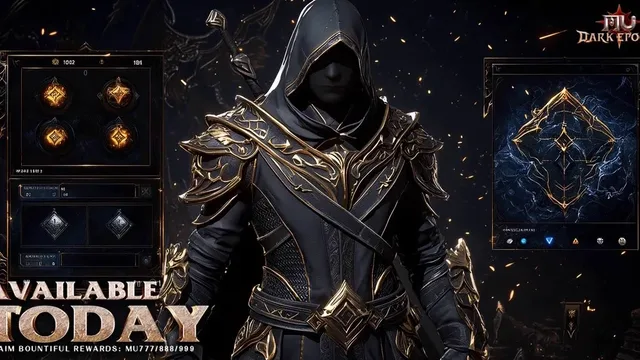
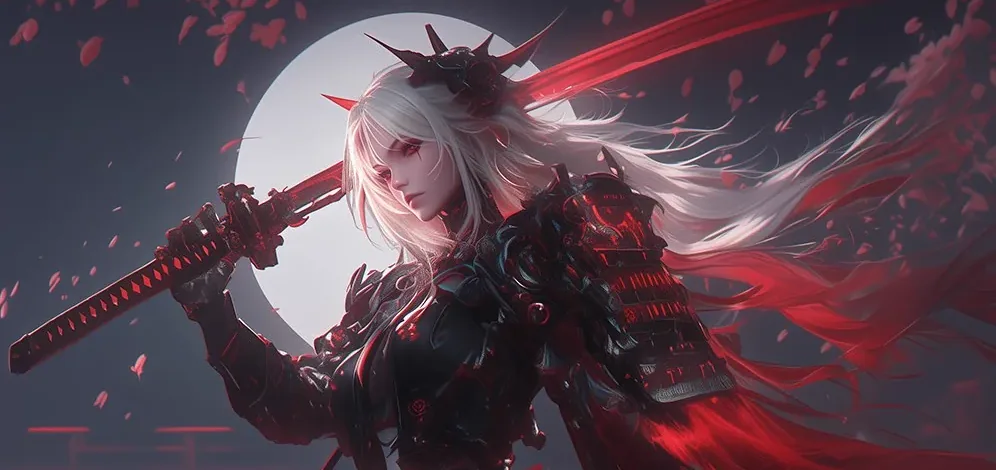
Visually, the remaster updates the original's aesthetic without abandoning what made it recognizable. Environments and effects are modernized, but the overall silhouette of the MU universe (the class designs, the general fantasy tone) stays close enough to what longtime players remember that the nostalgia actually lands rather than feeling like a different game wearing a familiar name.
Who it's for
- Classic MU classes with deep branching change-ups.
- Guild dungeons and open-world PvP.
- Free-trade auction house economy.
- Free-to-play on Windows via Steam.
If you grew up on the original MU or just want an MMORPG with real dungeon-and-guild structure, Dark Epoch earns the install, and it's free to start.
Newcomers with no history in the original series shouldn't feel like they're missing context, either. The remaster is built to stand on its own, and the class, dungeon and territory systems explain themselves clearly enough that prior familiarity is a bonus rather than a requirement.
Give the AFK leveling a real chance to do its job before judging the pace. Most of what feels slow in the opening hour is the game deliberately not asking for your attention yet, saving it for the dungeon runs and PvP where your input actually changes the outcome.