Genshin Impact: the elemental system everything else copied
Five years on, Teyvat is still the open world the genre measures itself against. What the elemental reactions actually ask of you, where the free experience ends, and whether it is worth starting this late.
Contains sponsored links. We may earn a commission if you install a game, at no cost to you.
 Free to Play · Genshin ImpactPlay Genshin Impact free on PC▶ Explore It Free
Genshin Impact is the game that made publishers stop treating free-to-play open worlds as a compromise. It launched in September 2020, and the reason it is still the reference point is not the scale of the map, plenty of games have big maps, but the fact that its combat has a real system underneath it.
If you are arriving now, five years of content is both the attraction and the intimidation. This is what actually matters before you install.
In this guide:
Elemental reactions are the whole game
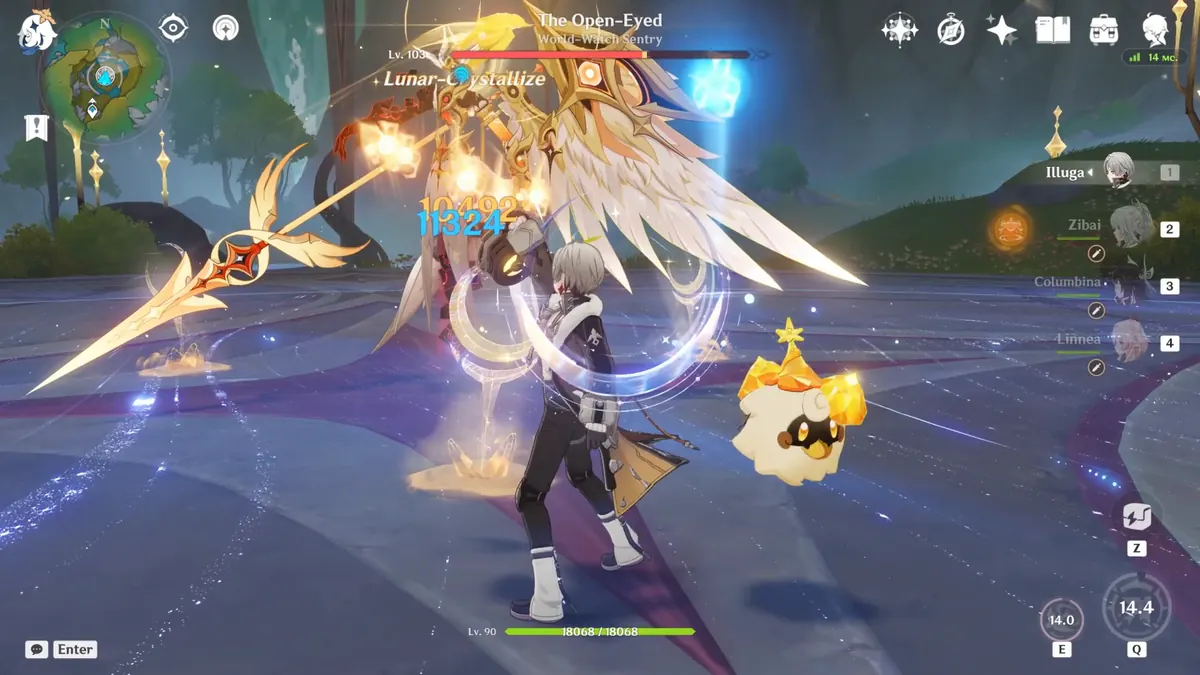
Every character is tied to one element, and every element interacts with the others. Soak an enemy in Hydro then hit it with Cryo and it freezes. Hit that frozen target with a claymore and it shatters. Electro into Hydro spreads damage across everything standing in the puddle. Pyro into Cryo melts, and the multiplier is larger than either hit alone.
You carry a party of four and swap between them mid-combo, which is what turns those interactions from a lookup table into an actual skill. The loop is: apply, swap, detonate. Once that clicks, the difference between a party that clears content and one that does not stops being about who pulled the rarest character.
Build a team around one reaction you understand rather than four characters you like the look of. A coherent Freeze team of 4-stars will outperform a bag of mismatched 5-stars, and it costs nothing.
Yuki Tanaka
Free to Play · Genshin ImpactPlay Genshin Impact free on PC▶ Explore It FreeSeven nations, one element each
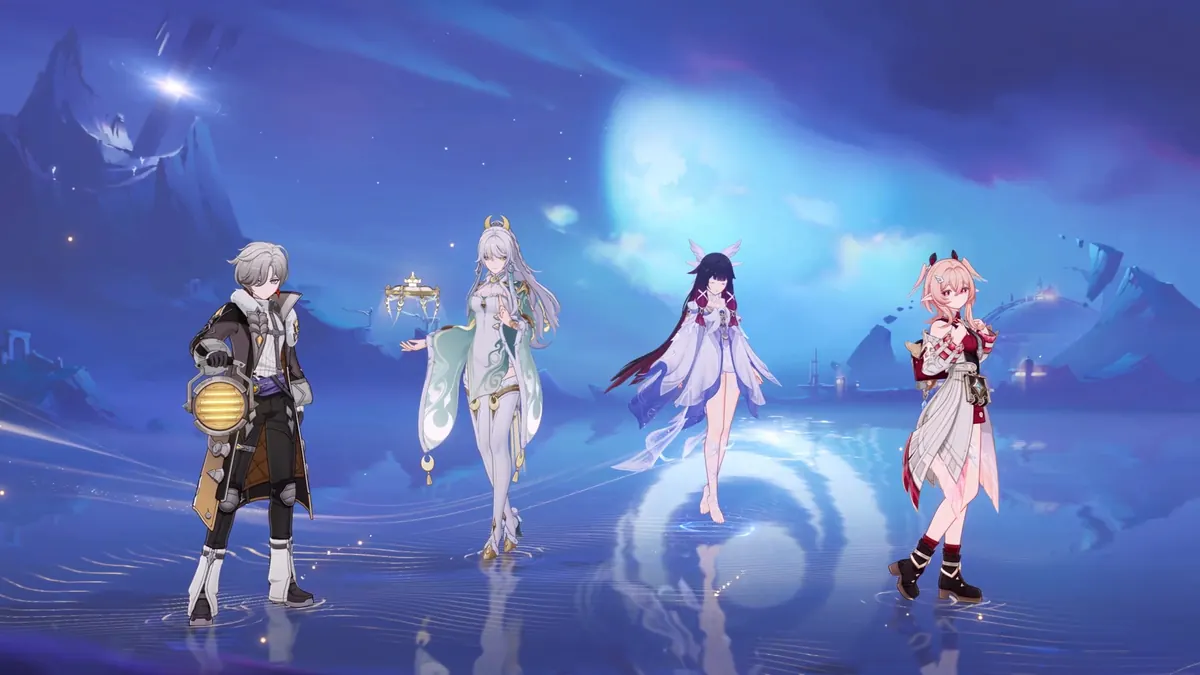
Teyvat is built as seven nations, each governed by one element and each with its own visual language and regional mechanics. Mondstadt is Anemo and wind-borne traversal; Liyue is Geo, stone and contracts; Inazuma is Electro under an isolationist shogunate; Sumeru brought Dendro and, with it, an entire second generation of reactions that changed team-building overnight.
A new nation has landed roughly once a year since launch, and each has arrived with new traversal rules rather than just new terrain. That cadence is the honest reason the game retains players: the world is not finished, and it has never shipped a region that plays exactly like the last one.
Where the free experience actually ends
Be clear about the model. The entire open world, the full story, every region and all co-op content are free. What is monetised is the character and weapon gacha, the Wishes, plus a battle-pass-shaped seasonal track.
The constraint that shapes your day is not money, though. It is Resin: a slowly-refilling energy pool spent on the endgame domains and bosses that drop your gear upgrades. You can play for hours, but you can only farm for so long each day. New players usually read this as a wall; in practice it is what keeps the game a habit instead of a job.
- Free: the world, the story, exploration, co-op, and every character you earn through events.
- Paid: pulls on the character and weapon banners, and the cosmetic layer.
- Rationed regardless of spending: Resin, and therefore the pace of your gear.
Combat execution beyond reactions
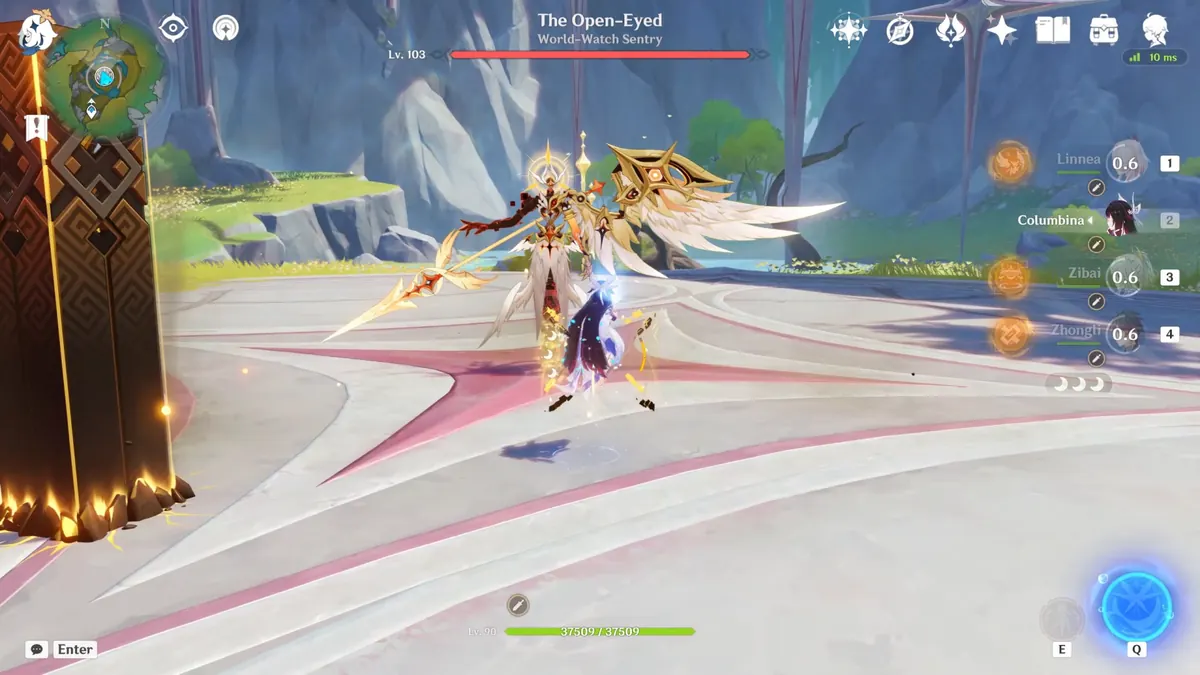
Reactions get the attention, but positioning and timing still matter underneath them. Dodging through an attack's active frames, canceling a slow animation into a character swap, and holding a charged shot instead of spamming it all separate a party that survives endgame abyss content from one that gets overwhelmed by it. The elemental system is the strategic layer; execution is the skill layer sitting under it, and both matter more the deeper you go.
Exploration as its own reward
Genshin's open world was built before Resin-gated domains became the main endgame loop, and it shows in how generously it rewards simply wandering. Puzzle chests, hidden shrines and environmental storytelling are scattered across every region with a density most open-world games don't bother with once the marketing screenshots are taken. Climbing and gliding stamina management is itself a light skill layer on top of pure traversal, and completionist players who actually chase 100% exploration in a region tend to come away with a real sense of having earned it, not just checked boxes on a map.
Starting in year five
Late arrival is less punishing here than in most live games, because nothing is missable in the sense of being locked forever. The story regions stay, and the standard character pool grows. What you did miss are limited event reruns, and there is no catching that up. Ignore it.
- Play the Mondstadt and Liyue story before chasing anything else. They teach the elemental grammar you need everywhere after.
- Do not spend early pulls chasing a specific character. The starting pool is generous and the 4-stars carry serious teams.
- Raise your Adventure Rank steadily; it gates the domains where your gear actually comes from.
- Treat the first two weeks as learning reactions, not optimising numbers.
Who it is for
- Players who want an open world where combat has depth rather than just impact.
- Anyone who enjoys team-building puzzles more than raw execution.
- People with an hour a day rather than an evening. The Resin system is built for exactly that shape.
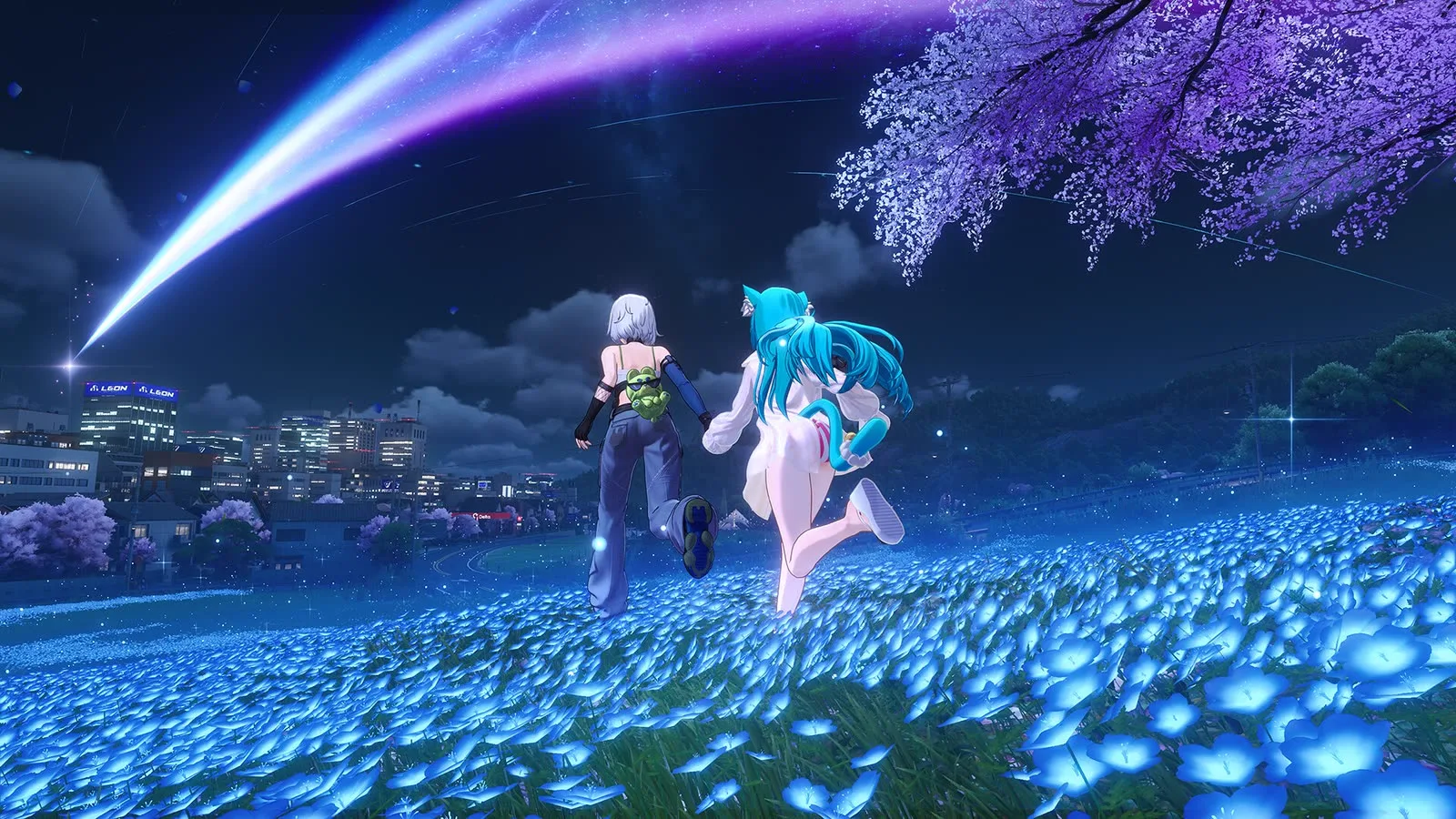
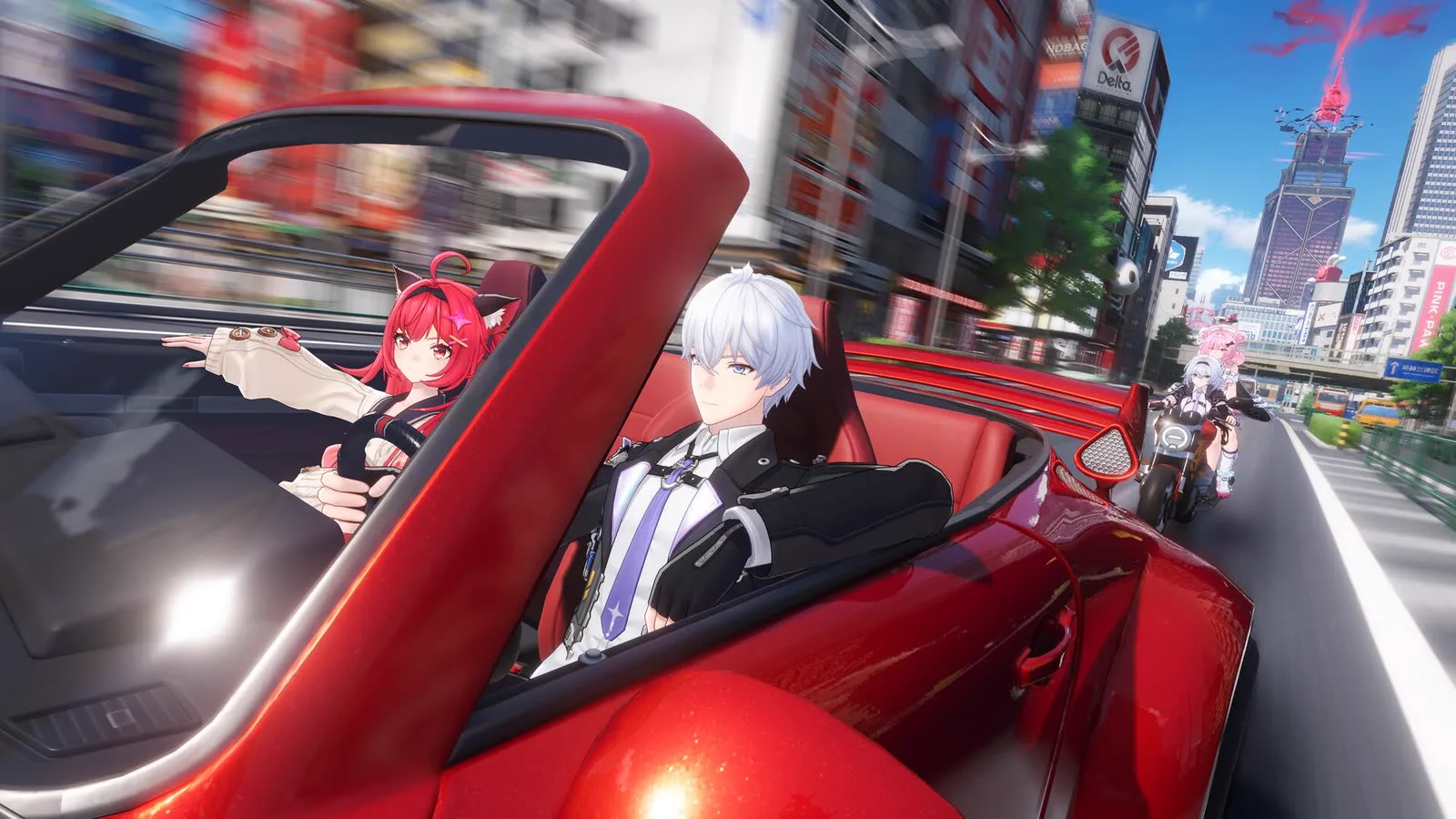
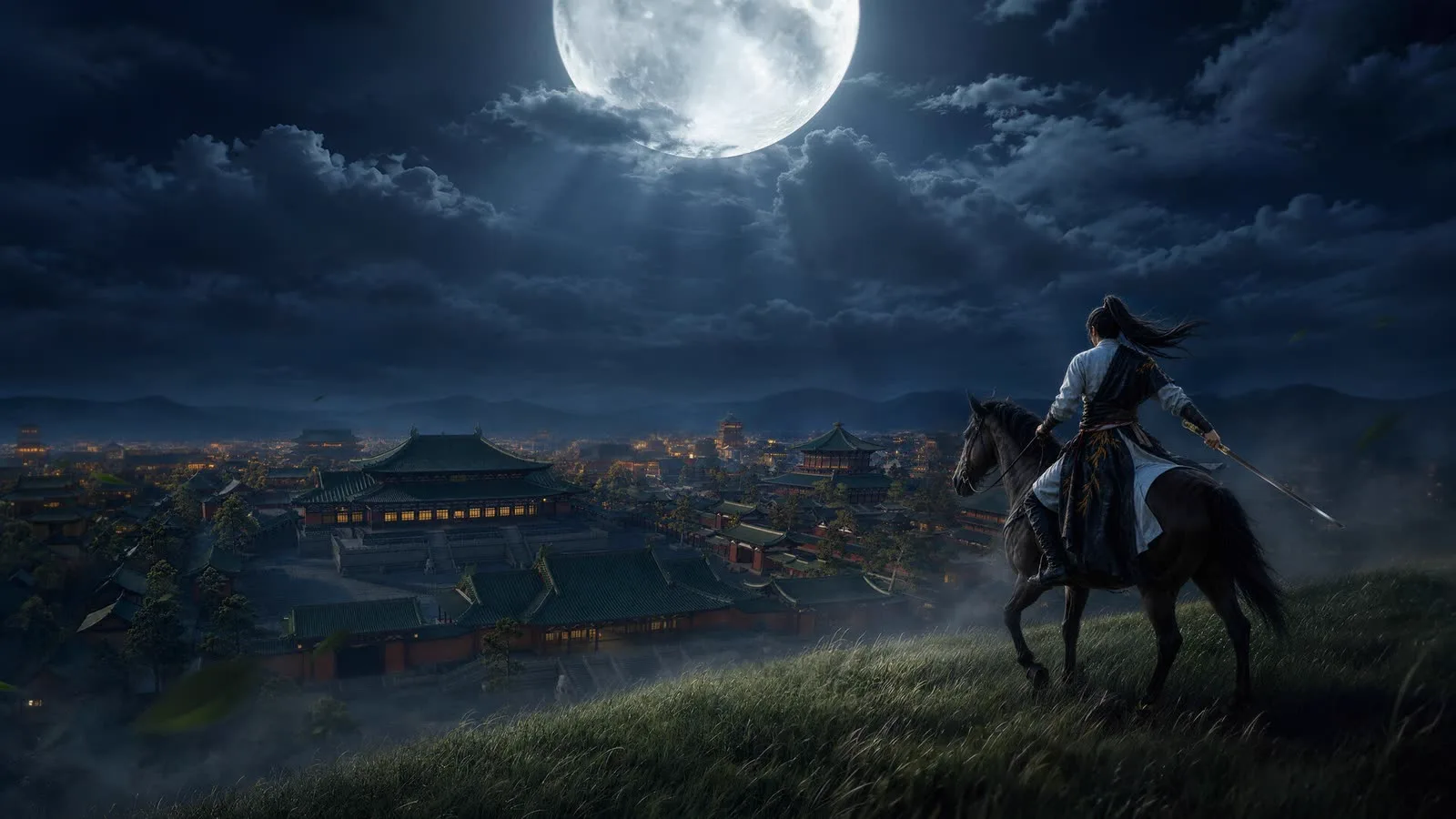
If the anime-styled open world is the draw, Neverness to Everness takes the same audience somewhere denser and more urban, and Where Winds Meet trades the elements for wuxia traversal.
Five years in, Teyvat remains the fairest comparison point for every open-world gacha that followed it, and the free entry point makes it an easy one to judge for yourself rather than take a guide's word for.
It is free on Windows PC, and the opening region is a complete enough experience to tell you honestly whether the rest is for you.