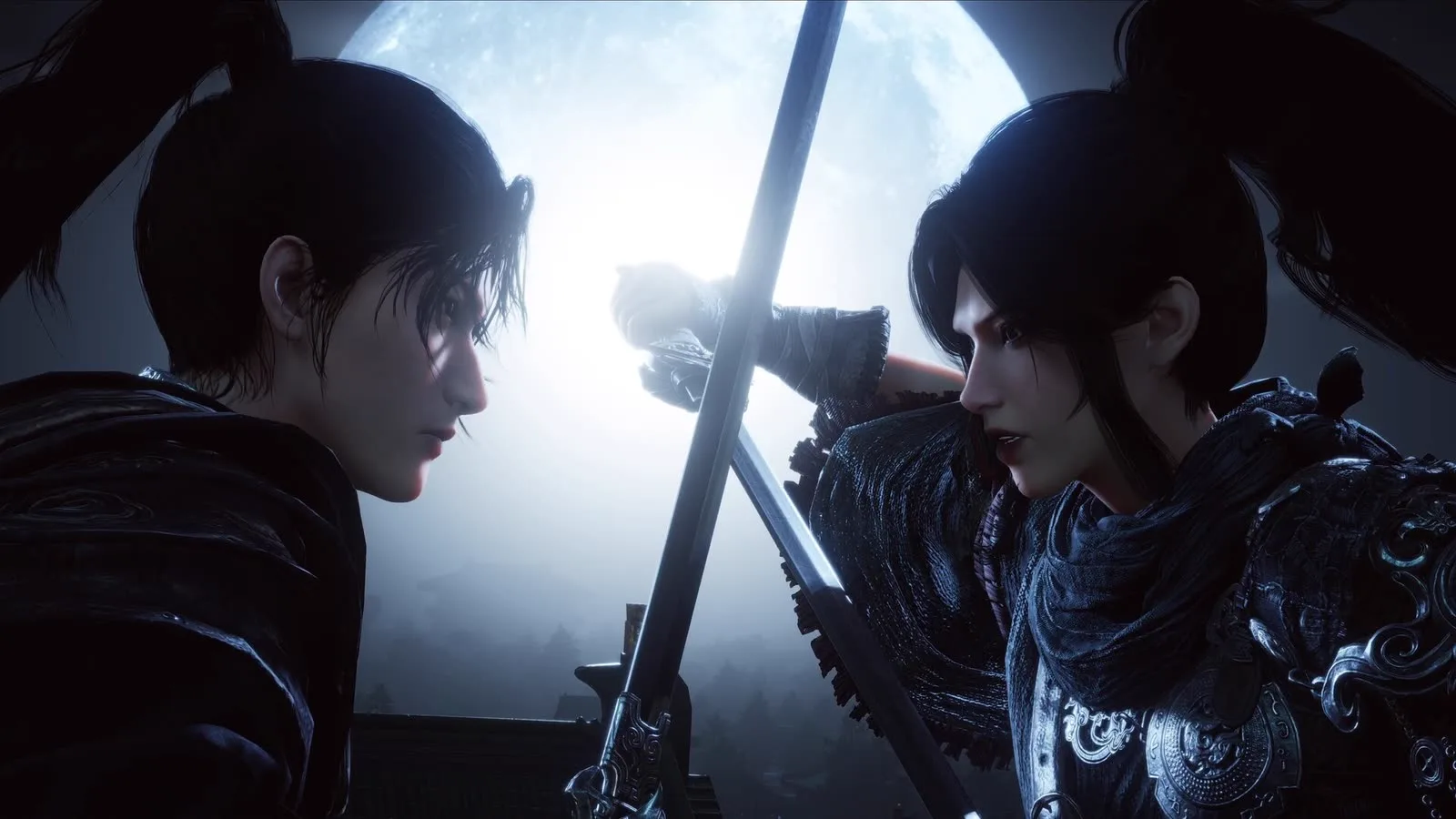
Where Winds Meet expands its living wuxia world
New professions, water-walking traversal and thousands of reactive NPCs deepen the sandbox.
Contains sponsored links. We may earn a commission if you install a game, at no cost to you.
 Free to Play · Where Winds MeetPlay Where Winds Meet free on PC▶ Master the Blade
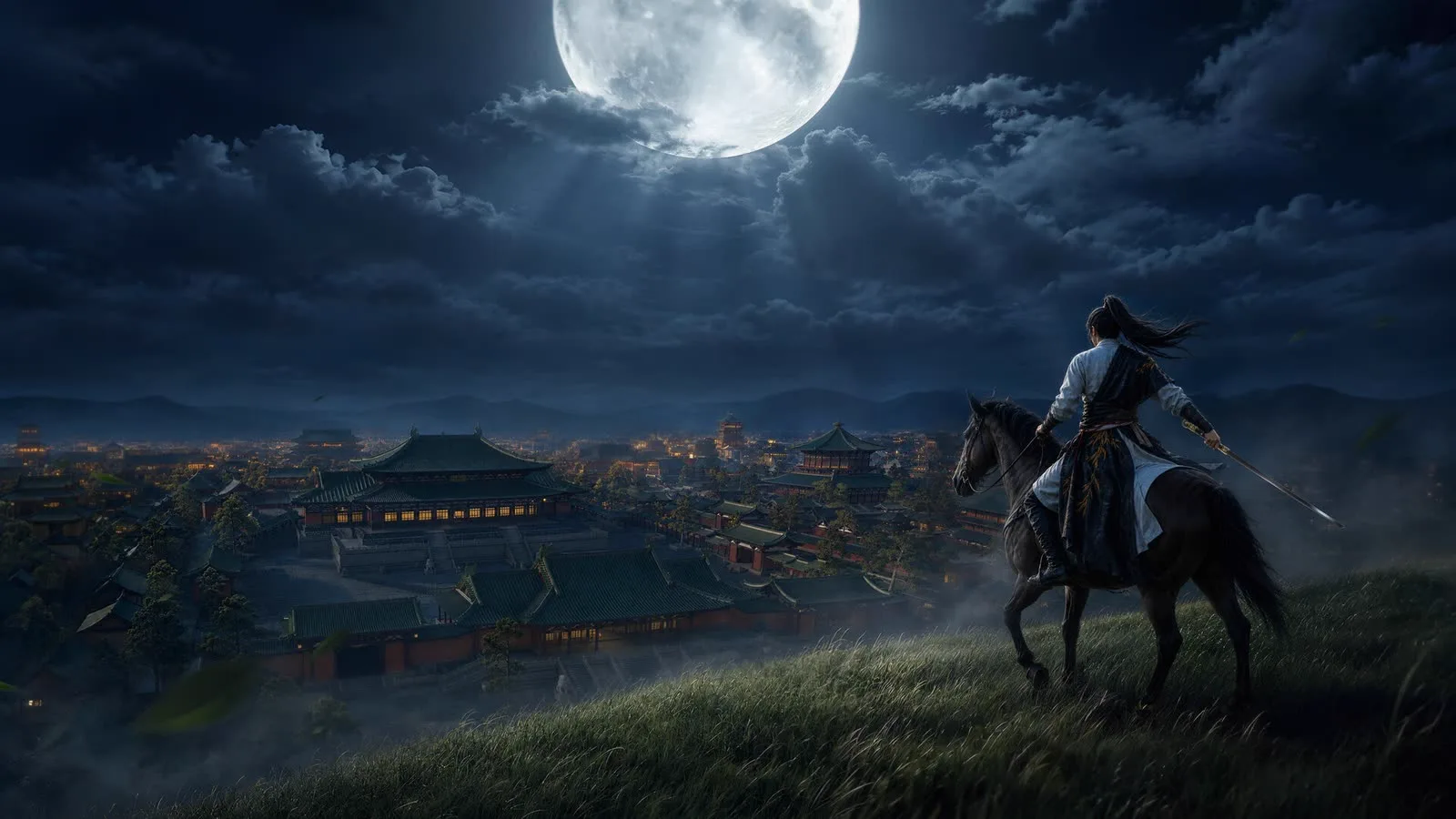
Where Winds Meet keeps widening the gap between 'open world' and 'living world'. The latest expansion of its 10th-century China sandbox leans hard into the second: thousands of NPCs with their own routines, an economy you can participate in, and professions that change how you play.
Traversal remains the star
Water-walking, aerial acrobatics and rooftop chains make simply moving through the world feel like a martial-arts film, and the combat backs it up with legendary techniques that reward timing over stat-checking. The level design around cliffs, rivers and rooftops is clearly built with that traversal fantasy in mind rather than as an afterthought layered on top of a generic open-world template.
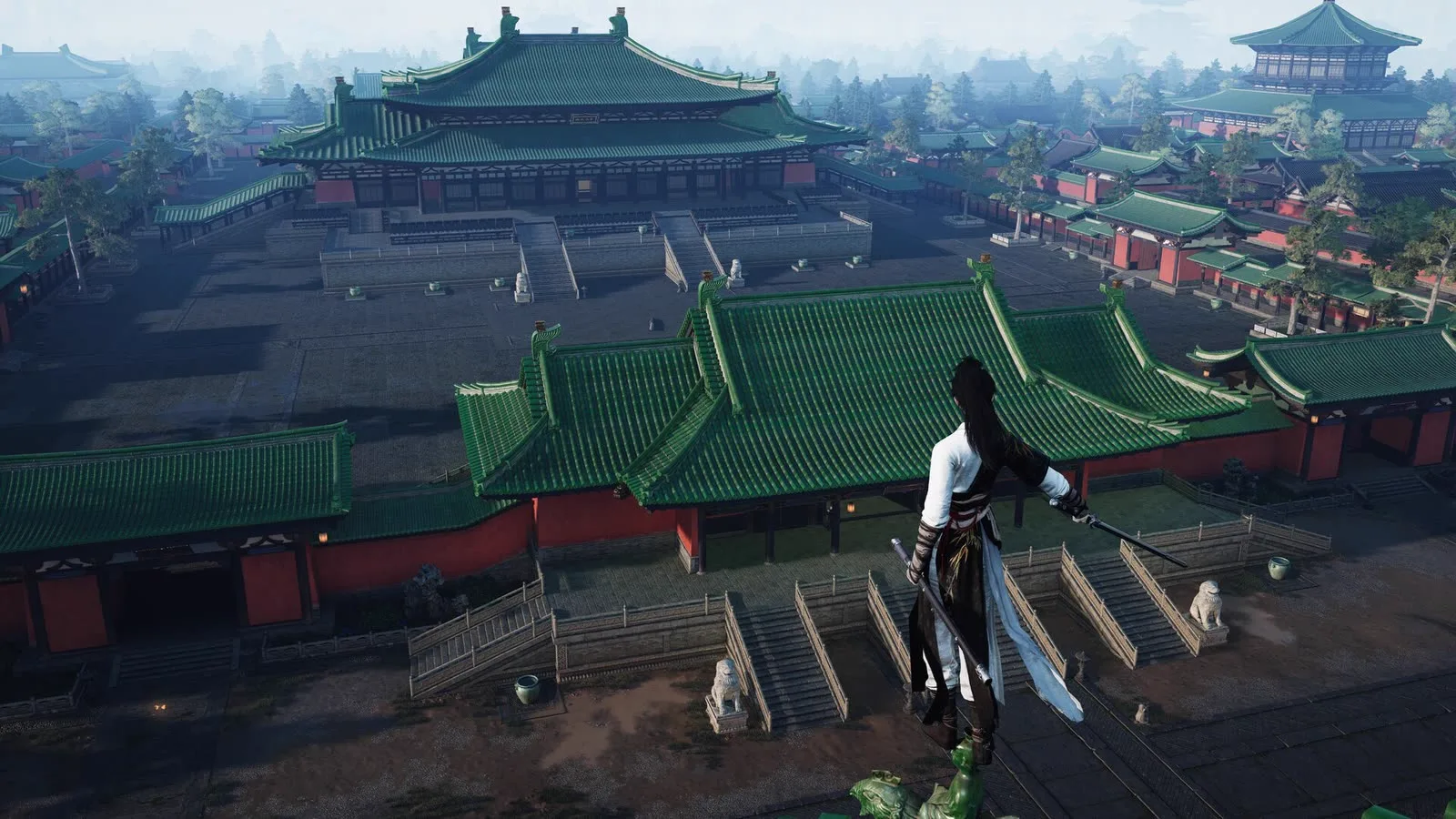
What makes the traversal stand out from other open-world games chasing a similar power fantasy is that it never fully replaces exploration on foot. Techniques accelerate and enhance movement, but the world is dense enough that slowing down still reveals things a player sprinting across rooftops would miss entirely.
Professions: the system that makes it personal
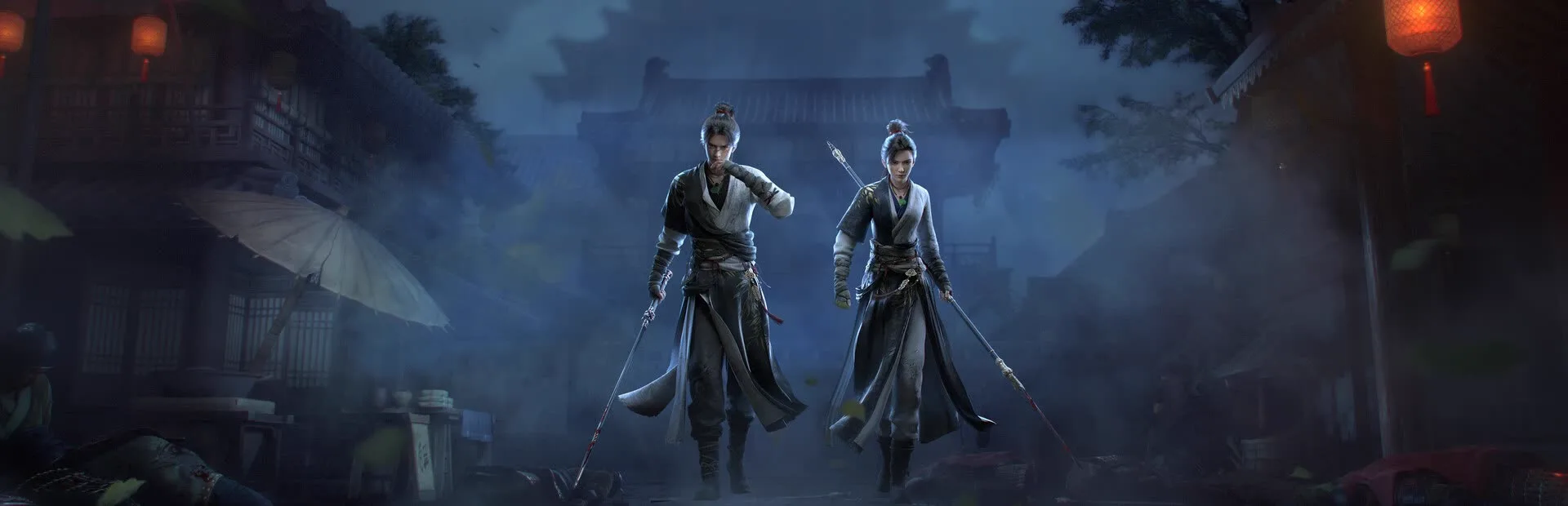
The profession system is where the game becomes personal: play as a physician, an architect, a bodyguard. Each opens different quests, different income, and a different relationship with the world's cities. A physician spends their early hours learning remedies and treating NPCs, while a bodyguard is out escorting caravans through contested territory. Two players at the same character level can have almost entirely different relationships with the map depending purely on this choice.
That divergence is deliberate, and it's part of why the game's community keeps comparing notes rather than converging on one 'correct' way to play. A friend's physician playthrough and your own bodyguard playthrough don't look like the same game, even though you're standing in the same city.
- Physician: treats injuries and brews remedies that sell for real income.
- Architect: builds and upgrades structures other systems interact with.
- Bodyguard: escorts caravans through contested territory for pay, with real ambush risk.
A world with actual memory
The thousands of NPCs aren't just scenery either. They run real routines, remember reputation, and populate market cycles that shift with supply and demand rather than sitting on fixed vendor prices. It's one of the more genuine attempts in the free-to-play space at making a world that behaves like it exists independently of the player, rather than one built purely around quest markers waiting to be triggered.
Most open worlds are a quest-delivery grid wearing scenery. This one is closer to an actual place you happen to be visiting.
Yuki Tanaka
Combat that still respects timing
None of the living-world ambition would matter if the combat felt shallow, and Where Winds Meet keeps its fights built around reading an opponent's stance and committing to the right counter rather than out-leveling the problem. Duels against named NPCs in particular play closer to a martial-arts showdown than a numbers race. Over-leveled gear helps, but it won't carry a player through a fight they're reading wrong, which keeps the combat relevant even as the profession and world systems pull attention elsewhere.
What this expansion adds for returning players
For players who tried the game earlier and stepped away, this expansion is a reasonable point to come back. The new professions and the deeper NPC routines represent a genuine systems upgrade rather than a cosmetic content drop, and the traversal techniques introduced alongside it change how familiar regions of the map actually feel to move through. A city you remember as a simple hub can play very differently once water-walking and rooftop chaining are fully unlocked.
New players jumping in for the first time lose nothing by starting now either. None of this content requires prior history with the game, and the profession system in particular is designed to onboard a first-timer just as smoothly as a returning veteran.
Community reaction to the update has focused heavily on the NPC routine improvements specifically. Small touches like a merchant restocking on a visible schedule or a physician NPC recognizing repeat patients add up to a world that feels considerably more alive than the version most reviews were written about at launch.
None of it costs anything to try, and the combination of a reactive world with combat that still asks for real timing is a rare pairing worth experiencing firsthand rather than taking a guide's word for.
It's free to play on PC, and it remains one of the most ambitious open worlds in the free-to-play space. If wuxia means anything to you, this one earns the install, and if it doesn't yet, the traversal alone is worth a session to see whether the fantasy lands.
Free to Play · Where Winds MeetAncient-China wuxia, boundless open world, total freedom.▶ Master the Blade