Neverness to Everness: the complete guide to the free open world
Everything about NTE in one place. The world, the combat, the characters, and how to start free on PC. Your hub for our full coverage.
 Free to Play · Neverness to EvernessPlay Neverness to Everness free on PC▶ Enter the World
Neverness to Everness is one of the most ambitious free-to-play open worlds on PC: an Unreal Engine 5 metropolis called Hethereau where you drive, fight and explore with no invisible walls. This guide is the hub. What the game is, how the systems actually work, and where to go next once you've installed it.
In this guide:
What is Neverness to Everness?
NTE is an anime-styled action-RPG set in a modern city where supernatural Anomalies warp reality in plain sight. It blends a driveable open world with last-frame dodge combat and a rotating cast of characters, each of whom rewires your options in a fight. Developer Hotta Studio built it on Unreal Engine 5, and it shows in ways that matter beyond screenshots: streaming is seamless, vehicle physics are real rather than scripted, and the city's density holds up whether you're on foot or doing 140 km/h down a boulevard.
The pitch that gets people to install it is usually the driving, rare in this genre, but the reason they stay is the combat, which asks more of you than most free-to-play action-RPGs bother to.
Hethereau: a city, not a level
Most open-world gacha games give you a map divided into set-piece zones connected by loading transitions dressed up as travel. Hethereau isn't that. It's a continuous metropolis with traffic, verticality you can actually climb, and Anomalies, reality-warping incidents, that appear in the middle of normal city blocks and change what's possible there for as long as they last. You can drive to a mission, abandon the car mid-street when a fight breaks out, chase the fight up a fire escape, and never see a loading screen in between.
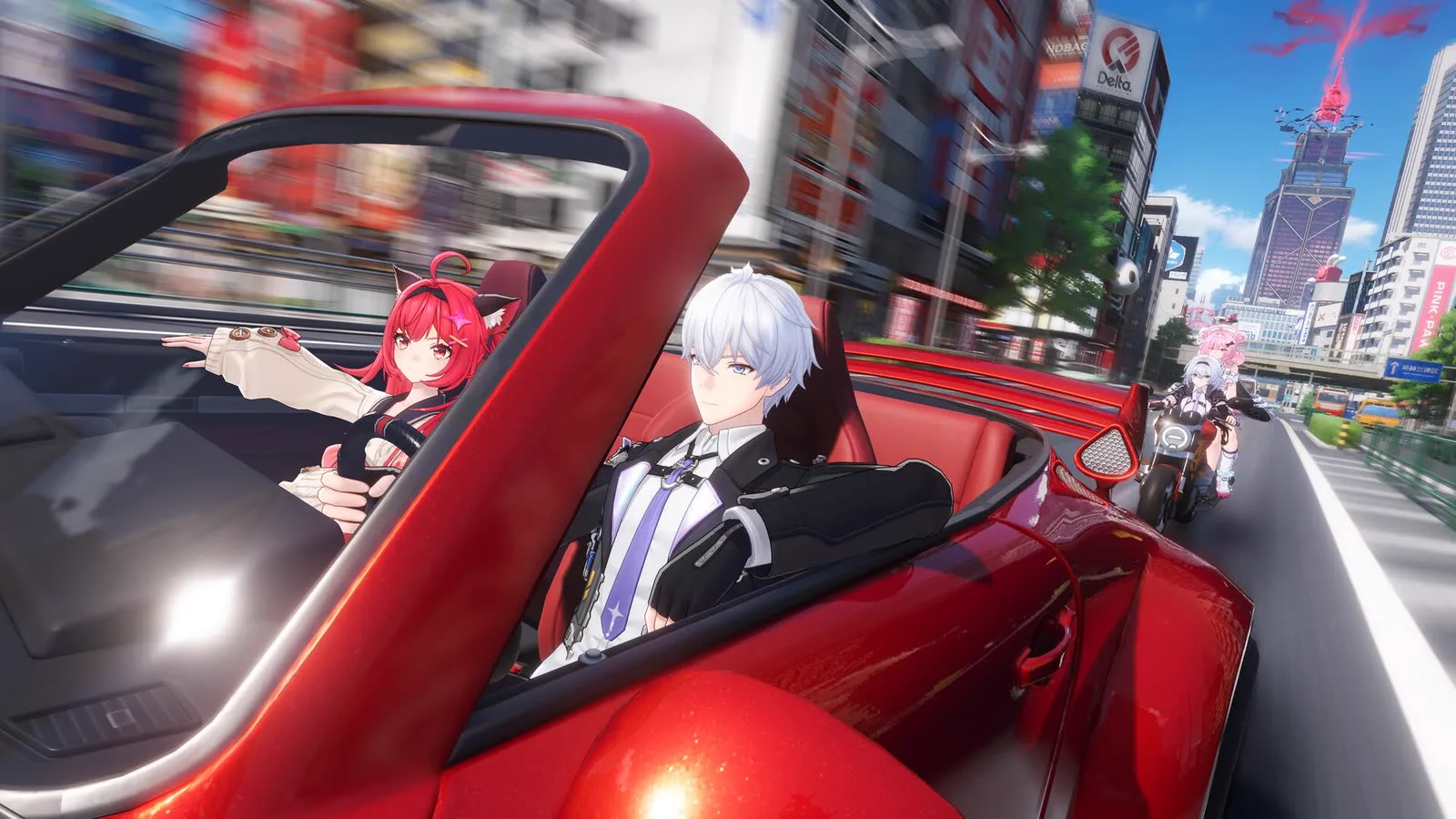
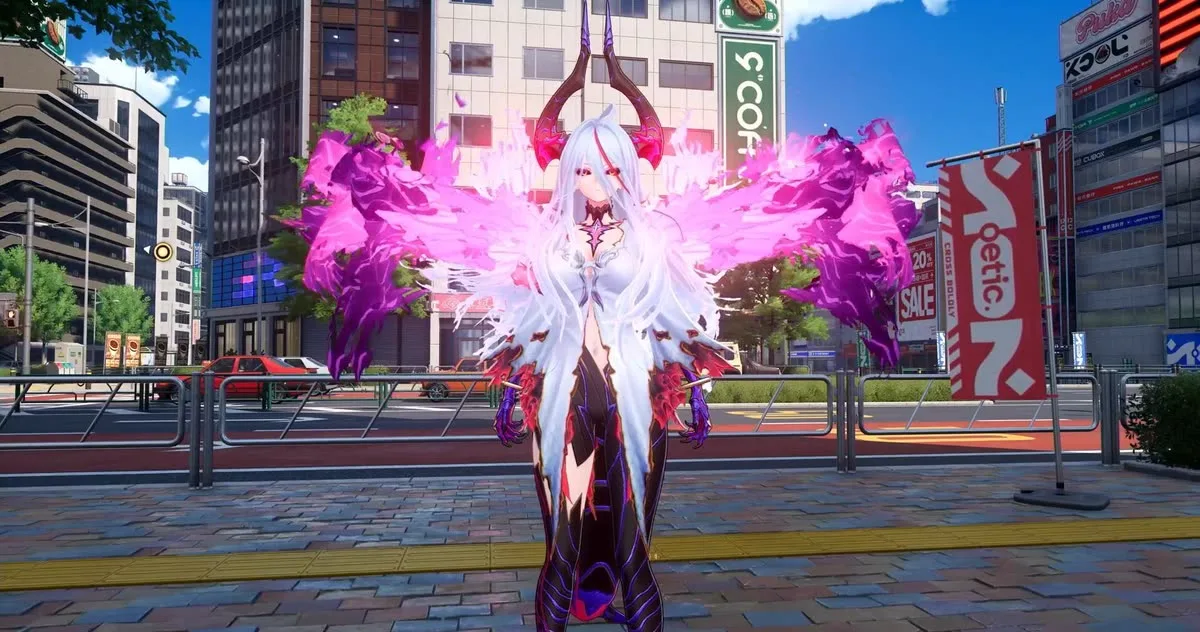
The driving deserves the attention it gets: cars have real weight and momentum, traffic reacts to how you drive, and getting somewhere fast is a skill in itself rather than a fast-travel menu with extra steps. It's also functionally useful: several side activities and timed encounters are easier to catch if you actually know the streets instead of relying on a waypoint marker.
Free to Play · Neverness to EvernessPlay Neverness to Everness free on PC▶ Enter the WorldHow combat actually works
NTE's combat is built around last-frame dodges. The window to avoid damage is tight enough that button-mashing gets punished, and a clean dodge rewards you with a counter opening most enemies telegraph clearly enough to learn. That's the skill ceiling: early fights are forgiving, but the game keeps adding enemy patterns that only reward players who've actually internalized the timing rather than relying on numbers.
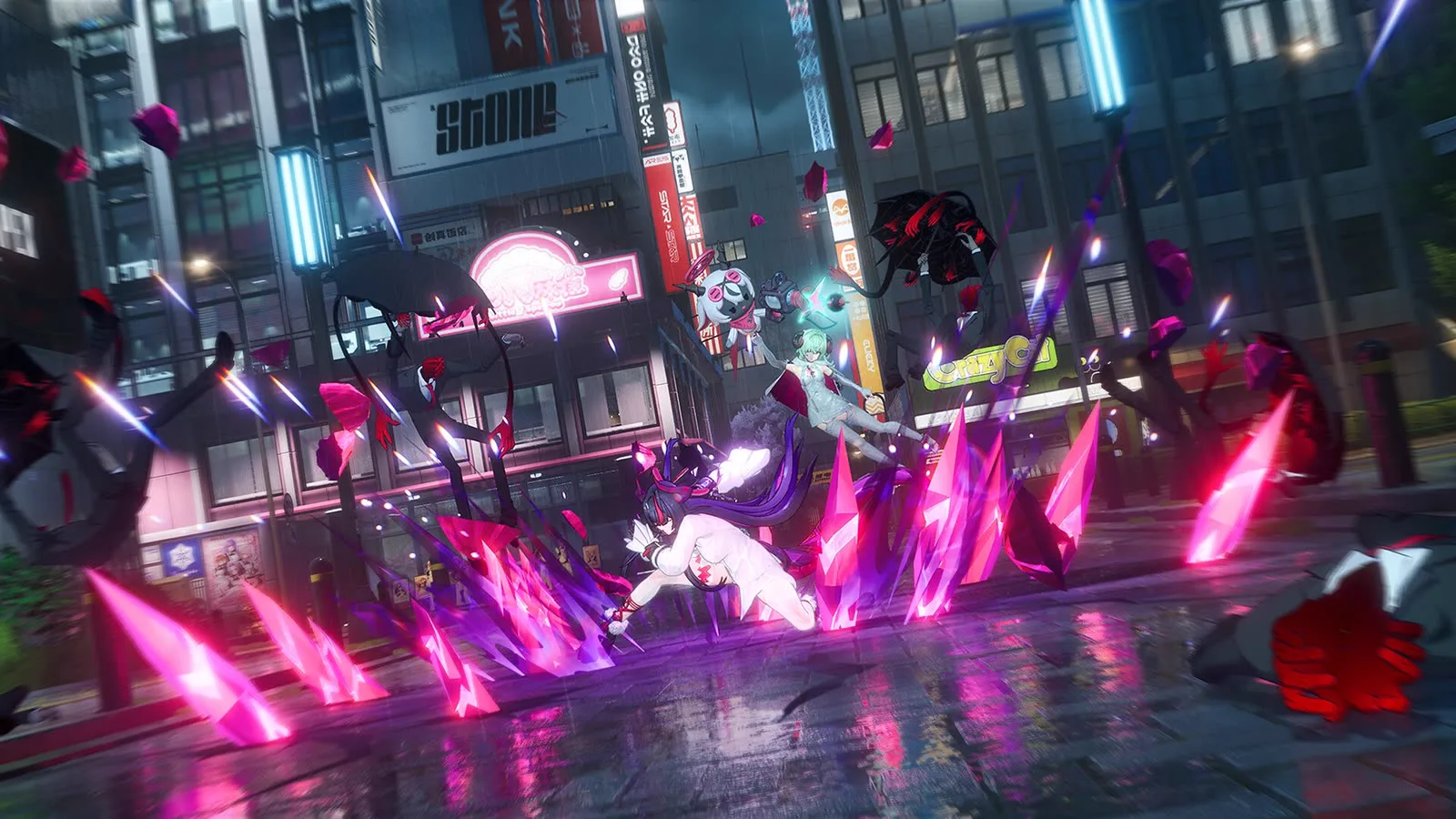
Characters aren't just damage skins on the same combo, each one changes your toolkit meaningfully. Some prioritize burst windows after a perfect dodge, others build toward a single devastating finisher, and a few are built around keeping a status effect active on a target while a second character capitalizes on it. Building a two-or-three-character rotation that actually complements itself is where the RPG layer sits, on top of the pure action-game execution.
The character roster
Characters are recruited through the game's gacha system, and, as with any game in this genre, it's worth knowing upfront that not every character is available for free through normal play at the same pace. What NTE does better than a lot of peers: the starting roster is capable of clearing story content and a fair amount of endgame, so you're never hard-blocked behind a specific pull. Who you want long-term comes down to playstyle preference (burst, sustain, or utility) more than raw power tiers, and the roster gets reshuffled often enough that today's best pick isn't locked in forever.
Progression and what the grind looks like
Progression runs on three parallel tracks: character level and gear (the usual RPG stat climb), story and world unlocks (new districts of Hethereau open as you advance the main Anomaly storyline), and character-specific mastery (a secondary system that deepens what an individual character can do in combat once you've invested in them). None of the three is optional filler. Skipping the world-unlock track just means less to drive through, and skipping mastery means your favorite character plateaus early.
Daily and weekly activities exist, as in most live-service RPGs, but NTE keeps them short enough that they read as a login-and-progress ritual rather than a second job. Fifteen to twenty minutes covers the meaningful dailies on a normal day.
Getting started the right way
The single most common early mistake is treating NTE like a pure open-world game and ignoring the combat tutorials, which teach the dodge-timing that everything later depends on. Spend the first real session in a low-stakes fight deliberately practicing dodges instead of powering through. It pays off within a couple of hours instead of a couple of weeks. For a fuller walkthrough of the opening hours, our beginner's guide to your first 3 hours covers the specific early decisions that are easy to get wrong (which district to explore first, when to start driving instead of walking everywhere, and which of the early free characters to build around).
System requirements are modest for what the city delivers visually. This isn't a game that demands a high-end rig to run acceptably, which matters for a lot of PC players deciding whether to install something this visually ambitious. Steam handles updates and cloud saves the way you'd expect, and the install is a normal Steam download rather than a separate launcher fighting for space on your desktop.
Why it stands out
- Unreal Engine 5 city with real driving and no loading walls.
- Last-frame dodge combat with a real skill ceiling.
- A deep character roster that changes how you play, not just how you look.
- Voiced, directed cutscenes instead of static dialogue boxes.
- Completely free-to-play on Windows PC via Steam.
Who NTE is actually for
NTE rewards players who like their action games to have real execution requirements. If you want combat you can eventually clear on autopilot, the dodge-timing will keep asking more from you than that. It also specifically rewards players who enjoy open worlds as places rather than checklists: the density of Hethereau only pays off if you actually drive around and poke at things instead of beelining between waypoints. If you want a game to explain itself in the first ten minutes and never ask for more attention than that, this isn't it. Everyone else, it's one of the strongest free installs on PC right now. Our full honest review breaks down where it clears that bar and where it doesn't.
Free to play, free to start, and free of the loading screens that usually come with a world this size.