Three Kingdoms: Strategy for the World, the class system that replaces the tech tree
A Three Kingdoms strategy game with no VIP tiers, six classes picked at creation, and automation aimed at the genre's worst busywork. What that changes in practice, and who it suits.
 Free to Play · Three Kingdoms: Strategy for the WorldPlay Three Kingdoms: Strategy for the World free on PC▶ Command Your Empire
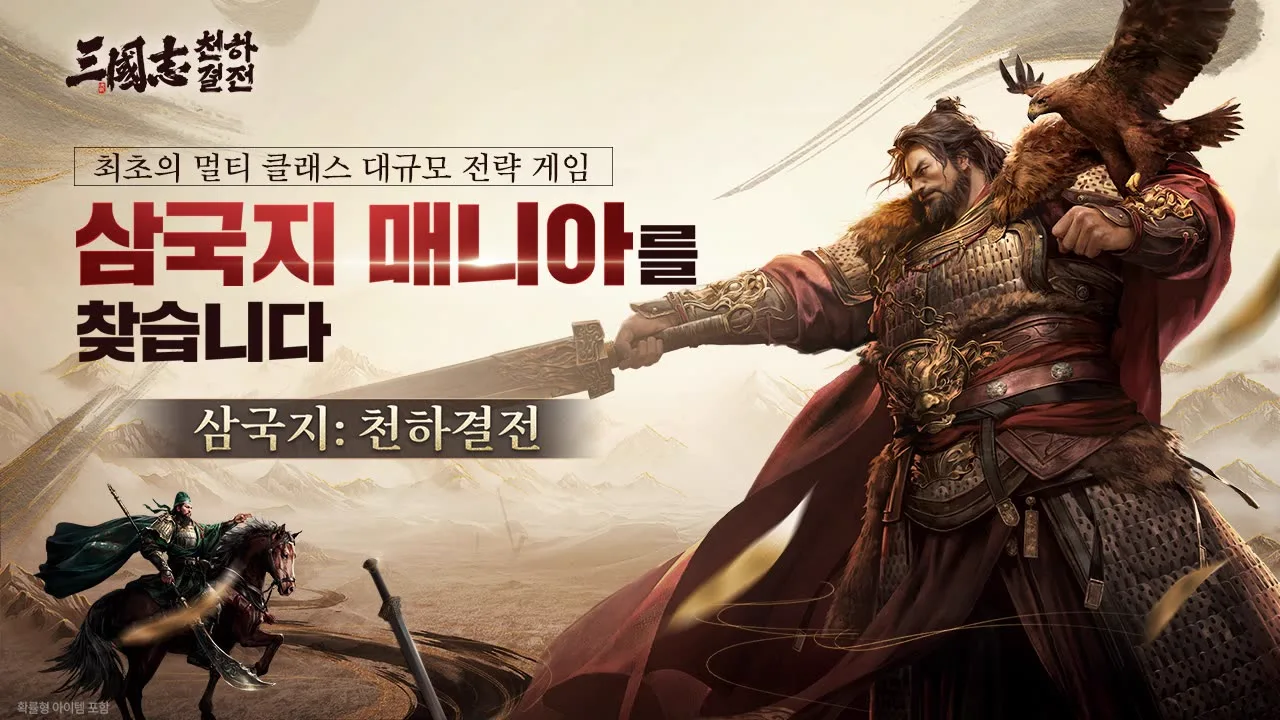
Three Kingdoms: Strategy for the World, released in Korea as 삼국지: 천하결전, is a large-scale strategy game about alliances fighting over one shared map. Two design decisions separate it from the crowded field it sits in, and both are unusual enough to be worth explaining properly before you install anything.
In this guide:

Six classes instead of a tech tree
Most strategy games of this kind give every player the same research tree. You all climb the same ladder, and the only thing separating two players is how far up it they are. Here you choose one of six classes when you create your character, and that choice opens a research branch that replaces the shared tree.
The practical effect is that players stop being interchangeable power scores. Three of the roles show the intent clearly:
- The siege specialist exists to crack fortifications your alliance cannot get through alone.
- The quartermaster keeps resources and supply flowing to everyone else. Unglamorous, and the reason an alliance survives a long war.
- The scout is the knife: flanking, raiding, breaking things behind the front line rather than holding it.
None of those wins a war by itself. That is the point: an alliance is assembled from complementary specialists rather than from whoever spent the most.
Pick the class your alliance is missing, not the one with the flashiest kit. In a game built on specialists, being the only quartermaster is worth more than being the fifth duelist.
Marcus Webb
Free to Play · Three Kingdoms: Strategy for the WorldPlay Three Kingdoms: Strategy for the World free on PC▶ Command Your EmpireNo VIP tiers: and what that does and doesn't mean
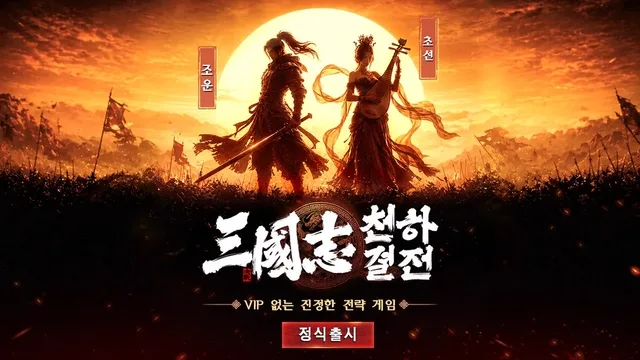
The publisher prints it directly on its own key art: a strategy game with no VIP system. In a genre where paid VIP levels routinely hand out permanent build-speed and march-size bonuses, removing that tier is a real structural difference, not a slogan.
Be clear-eyed about the limit of the claim, though. No VIP system is not the same as no monetisation. The Korean store listing carries the standard 확률형 아이템 포함 disclosure, meaning probability-based items are present. What's gone is the subscription-shaped ladder that lets one player permanently outclass another for money. Judge it on that, and not on more.
The busywork it automates
The genre's real tax has never been difficulty, it's tedium. Paving roads tile by tile, queueing a siege by hand, logging in to press the same button. This one ships one-click siege scheduling and automatic road-paving specifically to remove that.
Whether that matters to you is a fair question to ask early. If the ritual of manual upkeep is what you enjoy, automation will feel like the game playing itself. If you've bounced off strategy games because they demanded attention rather than thought, this is the friction being removed.
The shared map and what territory actually means
Every hex of territory on the map is contested by definition. There's no private instance to grow in peace. That single fact shapes the whole game: scouting matters as much as building, and an alliance's reputation for holding or losing territory precedes it in every negotiation. Taking land quietly, without the muscle to hold it, tends to just paint a target for the next alliance that notices.
Recruiting and pairing generals
Historical generals sit on top of the class system rather than replacing it. A siege specialist paired with a general whose kit reinforces siege capability performs meaningfully better than the same class paired with a general built for something else entirely. It's worth resisting the temptation to recruit whichever general has the flashiest headline stat; reading how a general's skills actually interact with your chosen class matters more than raw recruitment rarity, the same lesson the class system itself is built to teach.
Finding your alliance's missing role
Because classes are specialists rather than interchangeable power scores, the most useful thing a new player can do before picking one is actually ask their alliance what it's short on. An alliance drowning in duelists but with no quartermaster is structurally weaker than its total power suggests, and a single well-placed quartermaster or scout can matter more to that alliance's success than another duelist ever would. This is the opposite of how most strategy games reward you. Here, being useful is worth more than being strong.
Before you commit
- Decide your class with your alliance, not alone. It's the one choice you make before you understand the game and can't casually undo.
- Expect a shared map with real neighbours. Territory you take is territory somebody lost, and they know your name.
- Treat the first week as scouting. What the map looks like in month two decides whether it's worth your evenings.
Who it's for
- Players who want their contribution to be a role, not a number.
- Anyone burned by VIP ladders in other strategy games.
- Three Kingdoms readers who want the generals attached to an actual strategic layer.
If that describes you, the same instincts carry over to Rise of Kingdoms and Star Trek Fleet Command. Alliance warfare on a shared map, different eras.
It's free on Windows PC, and the opening hours tell you honestly whether the specialist system clicks for you.
Whatever class you land on, give the automated systems a real chance before judging them against a manual strategy game. The point of removing the busywork is to let you spend your actual attention on the decisions that matter, not to make the game shallower.
The specialist structure also means there's no wrong time to join an alliance already in progress. A missing role is a missing role whether it's week one or month three, and a well-matched specialist is welcomed either way.