Star Trek Fleet Command: the complete guide to the living galaxy
Build a fleet, forge alliances and shape a player-driven galaxy. What STFC is and how to start free on PC.
 Free to Play · Star Trek Fleet CommandPlay Star Trek Fleet Command free on PC▶ Launch Into It
Star Trek Fleet Command, from Scopely, is a strategy MMO set in a living, player-driven galaxy built on the licensed Star Trek universe. This hub covers what it is, how its systems fit together, and why the long game hooks strategy fans once their fleet takes shape.
In this guide:
- A galaxy run by players
- Officers and how they change a ship
- Building and upgrading a fleet
- Mining and the resource economy
- Territory control and PvP
- Alliance diplomacy, not just alliance combat
- Why it starts slow, and why that's the point
- Hostile NPCs as a proving ground
- Research: the system that quietly decides everything
- Getting started
- Who it's for
A galaxy run by players
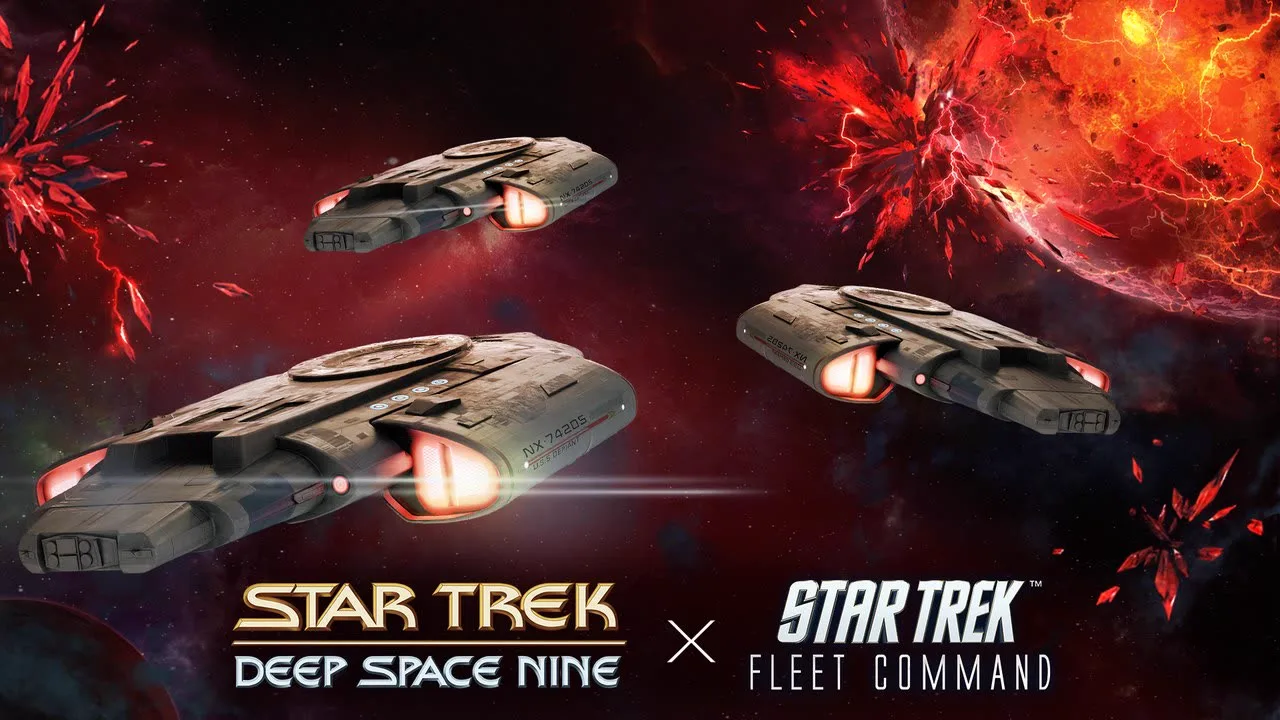
Recruit iconic officers, build and upgrade ships, and stake out territory in a persistent galaxy where alliances and diplomacy shape everything. Fans of the license will recognize captains, ships and factions immediately, and the game leans into that recognition rather than treating it as a coat of paint over a generic strategy shell.
Officers and how they change a ship
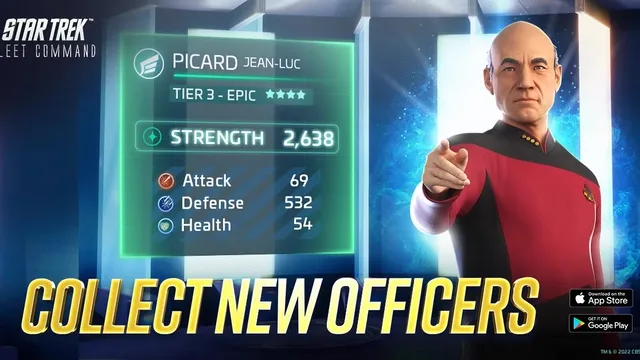
Officers assigned to bridge stations meaningfully change how a ship performs. A captain built for mining efficiency and one built for combat are different tools, and swapping officer loadouts for the task at hand (mining, PvE hunting, PvP) is a habit that separates efficient players from ones leaving performance on the table.
Free to Play · Star Trek Fleet CommandPlay Star Trek Fleet Command free on PC▶ Launch Into ItBuilding and upgrading a fleet
Ships fall into distinct roles (mining, interceptor, explorer, battleship) and a fleet built around only one role struggles against threats it wasn't designed for. Upgrading breadth (a ship for each job) tends to serve new players better than pouring everything into one flagship early.
Mining and the resource economy
Resource mining is the economic backbone that funds everything else (ships, officers, upgrades) and a common early mistake is neglecting it in favor of pure combat progression. A fleet that out-guns its neighbors but can't sustain repairs and upgrades runs out of steam fast; a mining-first approach in the opening days pays for a stronger combat fleet later.
Territory control and PvP
Alliances stake claims across the galaxy map, and territory control opens resource and strategic advantages that ripple into everything else. PvP exists at multiple intensities, from casual skirmishing over resources to full alliance warfare over contested systems, so it's rarely an all-or-nothing commitment.
Alliance diplomacy, not just alliance combat
The 'diplomacy' in the game's own framing isn't a slogan. Non-aggression pacts, trade agreements and shared defense commitments between alliances are real tools that shape the map as much as fleet battles do. Players who treat every neighboring alliance as an inevitable target tend to end up fighting wars they didn't need to start, while players who negotiate strategically buy themselves room to grow uncontested.
Why it starts slow: and why that's the point
The opening hours are a slower ramp than most mobile-adjacent strategy games, and that's a deliberate tradeoff: the systems need time to actually open up before the diplomacy and long-game strategy that define the genre's best moments become available. Players who bail in the first few hours miss the part of the game the format is actually built for.
Hostile NPCs as a proving ground
Before territory control against other alliances becomes the focus, hostile NPC factions scattered across the galaxy give new fleets a safer space to practice combat, test officer loadouts and earn resources without the stakes of an actual player conflict. Treating these encounters as genuine practice, noting which officer combinations and ship roles performed well, pays off directly once real alliance warfare becomes relevant, rather than walking into PvP territory control with an untested fleet.
Research: the system that quietly decides everything
Running in parallel to fleet-building and mining is a research tree that improves ship stats, officer effectiveness and base capabilities, and it's easy for new players to underweight it in favor of more visible progress like a bigger flagship. In practice, research investment compounds the same way it does in most strategy MMOs: a modest fleet backed by strong research consistently outperforms an impressive fleet backed by none, because research improves everything else multiplicatively rather than adding one more unit to the pile.
Getting started
Push through the early tutorial content even if it feels slow. It's setting up systems, not padding playtime. Join an alliance as soon as it's available rather than waiting until you feel 'ready'; the early protection and shared knowledge matter more than going it alone.
Set your early expectations around the license too: this is Star Trek reimagined through a strategy-MMO lens rather than a direct adaptation of any single series or film, and it works best if you approach it as its own interactive corner of the wider universe rather than expecting beat-for-beat familiarity from the shows.
Who it's for
- Iconic Star Trek officers and ships.
- A persistent, player-driven galaxy.
- Alliances, diplomacy and territory control.
- Free-to-play on Windows PC (and Mac).
If a slow-burn strategy MMO with real diplomacy appeals to you, STFC pays off patience, and it's free to start.
Even players with no attachment to the license find plenty to like once the systems open up. The officer, mining and territory layers stand on their own as a deep strategy MMO, and the Star Trek setting is a strong bonus rather than the only reason to stay.
Give the slow opening a real chance before judging the whole game by it. Nearly every long-term player of this genre describes the same arc, from a sluggish first few days to a point, usually around when the first alliance conflict becomes real, where the pace suddenly justifies itself.
It costs nothing to find that point yourself, and the licensed setting makes the early, slower hours easier to sit with than they would be in a more generic strategy shell.