Soul Land: Awakening World — the Douluo Continent, in 3D
Spirit masters, soul rings and the martial-arts world of the acclaimed novel and anime. What Soul Land: Awakening World is and how to start free on PC.

 Free to Play · Soul Land: Awakening WorldPlay Soul Land: Awakening World free on PC▶ Summon Your Team
Soul Land: Awakening World takes the Douluo Dalu universe — spirit masters, soul rings, the martial path made famous by the novel and anime — and builds an open RPG world around it. This hub covers the fantasy, how the systems actually work, and how the game delivers it.
In this guide:
Spirits, rings, and a martial path
Awaken a spirit, absorb soul rings from powerful beasts, and build toward the class fantasy the source material is known for. If you came to the anime or novel first, seeing the systems rendered as an actual progression path is the appeal — the game translates a decade of familiar lore into mechanics you can directly interact with rather than just watch.
How soul rings actually work
Free to Play · Soul Land: Awakening WorldPlay Soul Land: Awakening World free on PC▶ Summon Your TeamSoul rings absorbed from defeated beasts grant specific abilities tied to that beast's nature — collecting the right combination for your spirit type is the core build-crafting decision the game asks of you, mirroring how the source material's power system actually functions rather than substituting a generic gear-score grind. Ring color and origin matter mechanically, not just cosmetically, which is a level of faithfulness to the source material that license games in this space don't always bother with.
Choosing a spirit type
Spirit types broadly split into offensive, defensive and support archetypes, echoing the novel's own class distinctions — an offensive spirit master leans on raw damage output, a defensive one anchors a team and absorbs punishment, and a support spirit master keeps allies alive and buffed through a fight. Picking a type that matches how you actually want to play matters more here than chasing whichever spirit looks strongest in isolation, since solo strength and team utility aren't the same measure of value once you're playing alongside others.
The Douluo Continent, opened up

The world is built as an explorable open space rather than a series of disconnected story missions, giving fans of the setting somewhere to actually inhabit the Douluo Continent rather than just watch it scroll by in cutscenes. Familiar locations from the novel and anime are rendered as places you can walk through and interact with, which is a meaningfully different experience from watching the same locations pass by in an adaptation.
Staying faithful to the source material
Character and story beats follow the source material's continuity closely enough that longtime readers will recognize major arcs rather than encountering a loosely-inspired original story wearing the license as a skin. That fidelity is very much the point of a game like this — it's built to reward people who already know and love the world, not to introduce the IP from scratch to newcomers with no context.
- Spirit-master progression rooted in the Douluo Dalu IP.
- Soul ring system for character growth.
- Open fantasy world to explore.
- Free-to-play on Windows PC.
This is built for people who already love the world. If you've never read or watched Soul Land, the systems alone won't be what sells you.
— Yuki Tanaka
Getting started
Pick your starting spirit based on the playstyle you actually want rather than the one that looks strongest on paper — soul ring choices later compound off that early decision, and a mismatched spirit-and-ring combination is a slower fix than getting it right from the start.
If you're new to the source material entirely, consider getting a rough sense of the setting's basic rules — what a soul spirit is, how soul rings work in the fiction — before diving into the game's tutorial, since the game assumes a baseline familiarity the tutorial doesn't fully re-explain from scratch.
Progression follows the same general shape as most anime-licensed RPGs: the early hours move quickly and generously to hook you into the world, and the pace settles once you've cleared the initial story arcs the source material's fans will recognize. That's the point where the game's own systems, rather than the license alone, start carrying the experience.
Even without prior knowledge of the novel or anime, the world-building is presented clearly enough in the early story missions that a genuinely new player isn't lost — you'll simply be discovering the setting's rules at the same pace the game teaches them, rather than recognizing them from outside familiarity the way a returning fan would.
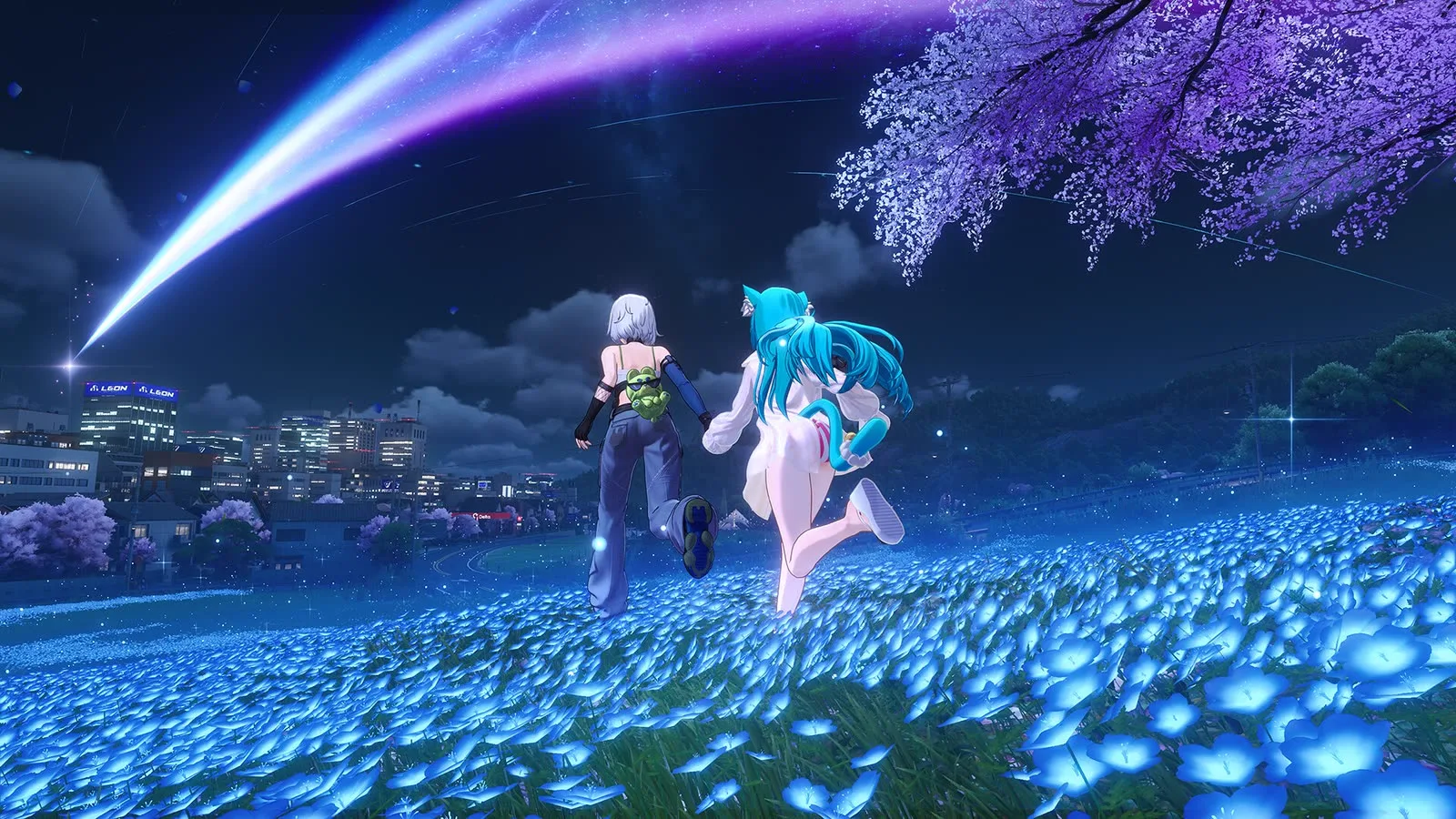
Visual presentation leans faithfully into the anime's art style, which matters for a license adaptation in a way it wouldn't for an original IP — players who know exactly what a soul ring or a specific spirit type is supposed to look like will notice whether the game got it right, and by most accounts it does.
Free to play on Windows PC, and low-commitment enough to try purely on curiosity — a few hours is enough to know whether the translation from page and screen to an actual interactive world lands for you the way it's meant to.
How it fits next to the catalog's other anime RPGs
Where Genshin Impact and Wuthering Waves build original open worlds around elemental combat systems, Soul Land: Awakening World is doing something different: adapting an existing, beloved property faithfully rather than building a new IP from scratch. If you're choosing between them purely on gameplay depth, the elemental-combat games likely have the edge; if the appeal is specifically inhabiting a world and story you already love, this is built for exactly that.
Who it's for
Free to play on Windows PC — the license is the draw, and it's a low-cost way to find out if the game does it justice for you.
Give the opening story missions a real chance even if you're unfamiliar with the source material — they're paced to teach the setting's rules clearly enough that the license's appeal comes through on its own terms.