Raid: Shadow Legends, the complete collection-RPG guide
Hundreds of champions, deep team-building, and endless PvE and PvP. What Raid is and how to start free on PC.
 Free to Play · Raid: Shadow LegendsPlay Raid: Shadow Legends free on PC▶ Start the Journey
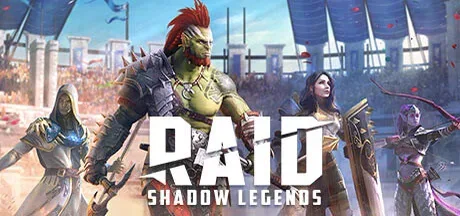
Raid: Shadow Legends, from Plarium, is a dark-fantasy collection RPG with hundreds of champions to recruit and teams to build. This hub covers what it is, how the systems interlock, and why the team-building loop runs so deep years after launch.
In this guide:
Collect, build, conquer
Recruit champions, assemble synergistic teams, and battle through campaign, dungeons, arena and clan bosses in the world of Teleria. The depth is in the theory-crafting. The right five champions beat raw power every time, and figuring out which five is a puzzle that keeps reopening as new champions and content arrive.
Champions and rarity tiers
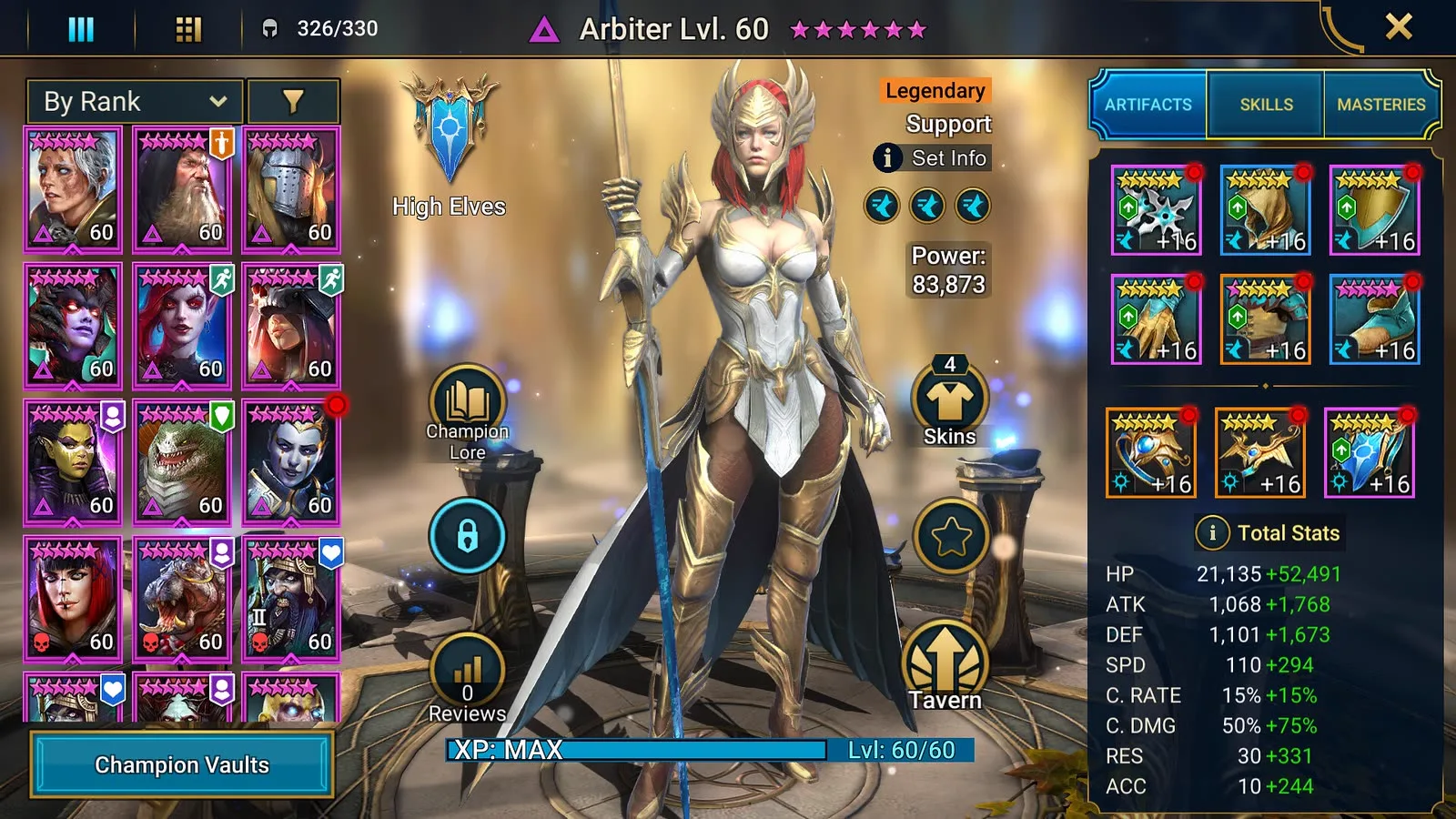
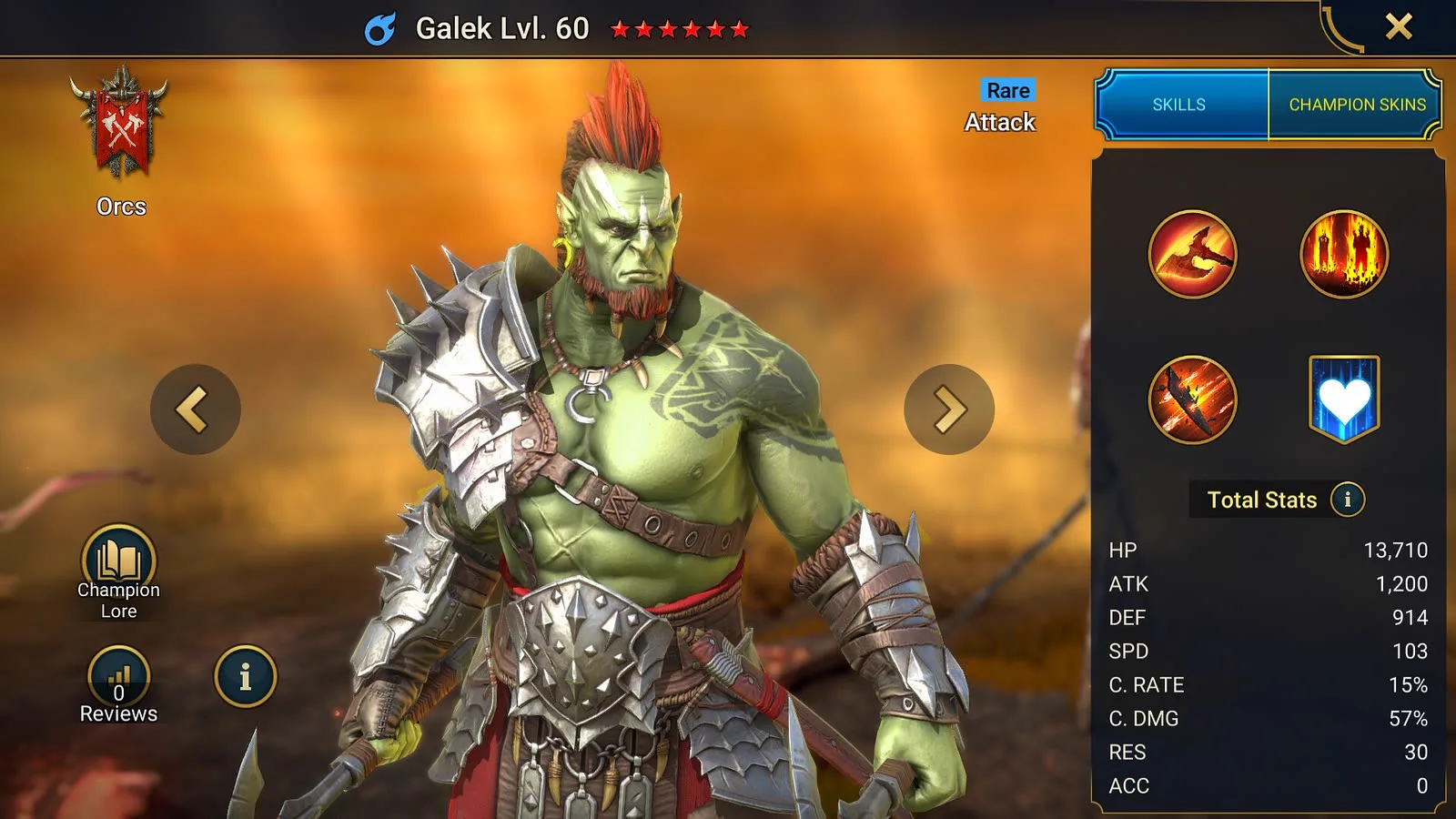
Champions span a wide rarity spectrum, and while higher rarity generally means a higher power ceiling, it isn't the whole story. Several lower-rarity champions carve out real roles in specific team compositions or specific game modes because of what their kit actually does, not just their base stats. Reading a champion's kit before dismissing them by rarity alone is a habit that pays off.
Free to Play · Raid: Shadow LegendsPlay Raid: Shadow Legends free on PC▶ Start the JourneyFactions and affinity
Champions belong to factions and elemental affinities that interact with each other and with specific dungeons and bosses. Some content is meaningfully easier with a team of a matching affinity, and factional synergies unlock bonus effects that a mismatched team simply doesn't get access to. Ignoring faction identity entirely in favor of pure stat-chasing leaves real performance on the table.
Team-building: where the real game is
A team needs a coherent job. Someone controlling the enemy turn order, someone applying debuffs, someone actually landing the damage, and often someone keeping the rest alive. Five champions with no shared plan lose to a team half their combined power that's built around a clear synergy. This is the deepest part of the game, and it's why the community around Raid still actively theory-crafts new compositions years after launch.
Campaign, dungeons, arena and clan bosses
Each mode asks something different of a team: campaign favors sustained damage against predictable enemies, dungeons often gate progress behind a specific mechanic you need a counter for, arena is about outlasting or outpacing another player's team under time pressure, and clan bosses reward raw sustained damage output more than cleverness. Most serious players end up running several different teams rather than one do-everything squad.
Gear and the long-term grind
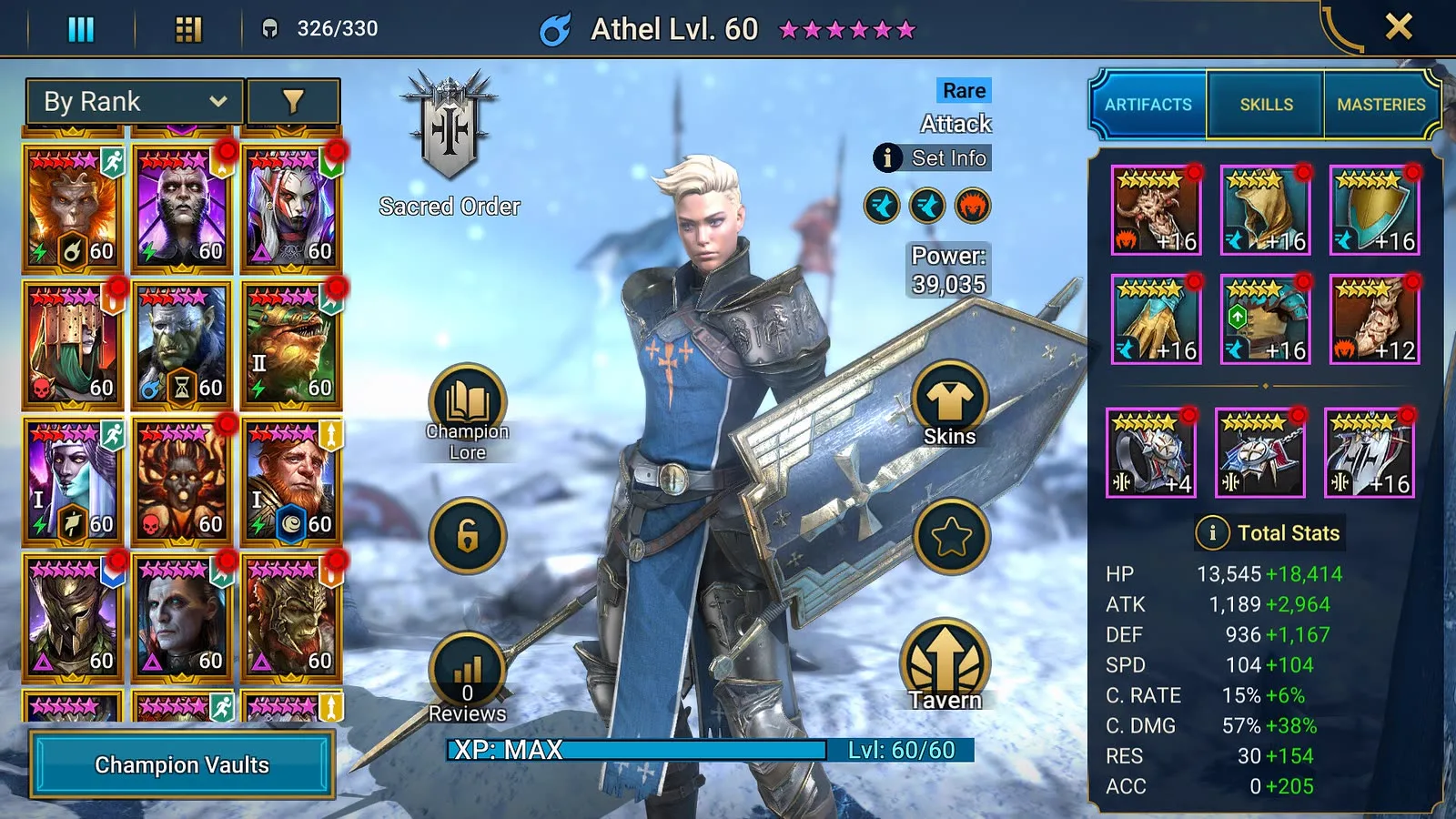
Gear is its own deep system on top of champions. Sets, substats and set bonuses that reward long-term farming and optimization. It's the part of the game built for players who want something to keep refining months into their save, not something you fully solve in the first week.
Events and login rewards
Raid runs a steady cadence of limited-time events and daily login rewards that, taken together, add up to a meaningful share of a free player's long-term progress. Skipping them consistently is one of the quieter ways players fall behind without realizing why. None of them require spending, just showing up regularly, which fits the game's broader identity as something built to be played in short daily sessions rather than marathon sittings.
Clans and playing with others
Raid is often framed as a solo collection game, but clans add a genuine multiplayer layer worth joining early. Clan bosses reward coordinated damage contribution, and clan-versus-clan content gives your team-building an actual audience beyond the arena ladder. An active clan also becomes a source of practical knowledge: experienced clanmates sharing which champions are worth building for a specific upcoming dungeon can save weeks of wasted farming compared to figuring it out alone.
Getting started
Don't spread investment thin across too many champions early. Pick a small core team and build it out properly before chasing every new recruit. The champions that clear the early campaign efficiently will carry you further than a wide, shallow roster.
Is it actually free to progress?
The free champion pool and campaign rewards are generous enough to build a competent team without spending, though the collection-gacha structure means whales exist here as in the rest of the genre. What matters for a free player is that the game's own content (campaign, most dungeons, a solid arena rank) doesn't require chasing the rarest champions, only building well with whatever you've earned.
Longevity is one of Raid's real selling points at this stage. Years of accumulated content mean a new player has a deep backlog of dungeons, faction wars and events to work through, rather than catching up to a thin live-service treadmill that only recently started.
Who it's for
- Hundreds of collectible champions.
- Deep team-building and synergy.
- PvE campaign, dungeons, arena and clan bosses.
- Free-to-play on Windows PC.
If collection RPGs and team theory-crafting are your thing, Raid has years of depth to grow into, and it's free to start.
The champions and content added since launch mean a new account today has more genuine variety to work through than it did in its first year, which is unusual for a game this old. Most collection RPGs thin out their early game over time rather than deepening it.
None of the depth is mandatory to enjoy either. Plenty of players get real satisfaction from simply clearing the campaign at a comfortable pace, and the deeper theory-crafting and gear optimization are there to explore whenever you decide you want them, not requirements to keep having fun.
Whichever pace you settle into, the champion pool alone is enough to keep discovering new team ideas long after the campaign is finished.