Project Entropy: the complete guide to the galactic sci-fi war
Fleet command, mecha battles and massive multiplayer strategy. What Project Entropy is and how to start free on PC.
 Free to Play · Project EntropyPlay Project Entropy free on PC▶ Command the Fleet
Project Entropy is a galaxy-scale sci-fi strategy-RPG from Camel Games: explore unknown planets, recruit heroes across alien species, build advanced bases and command fleets and mechas in massive multiplayer wars. This is your hub for how it all fits together.
In this guide:
- Strategy at galactic scale
- Exploration and planet-side bases
- Running a base economy across multiple planets
- Heroes from alien species
- Fleet command and mecha combat
- Massive multiplayer resource wars
- Alliance diplomacy and the long game
- Research and the tech tree underneath it all
- Seasonal events and content cadence
- Getting started
- Who it's for
Strategy at galactic scale
Entropy layers exploration, base-building and fleet command into wars fought over rare resources. It's dense, three full systems running in parallel rather than one system with cosmetic variations, but for players who like their strategy with real depth, that density is the draw rather than a barrier.
Exploration and planet-side bases
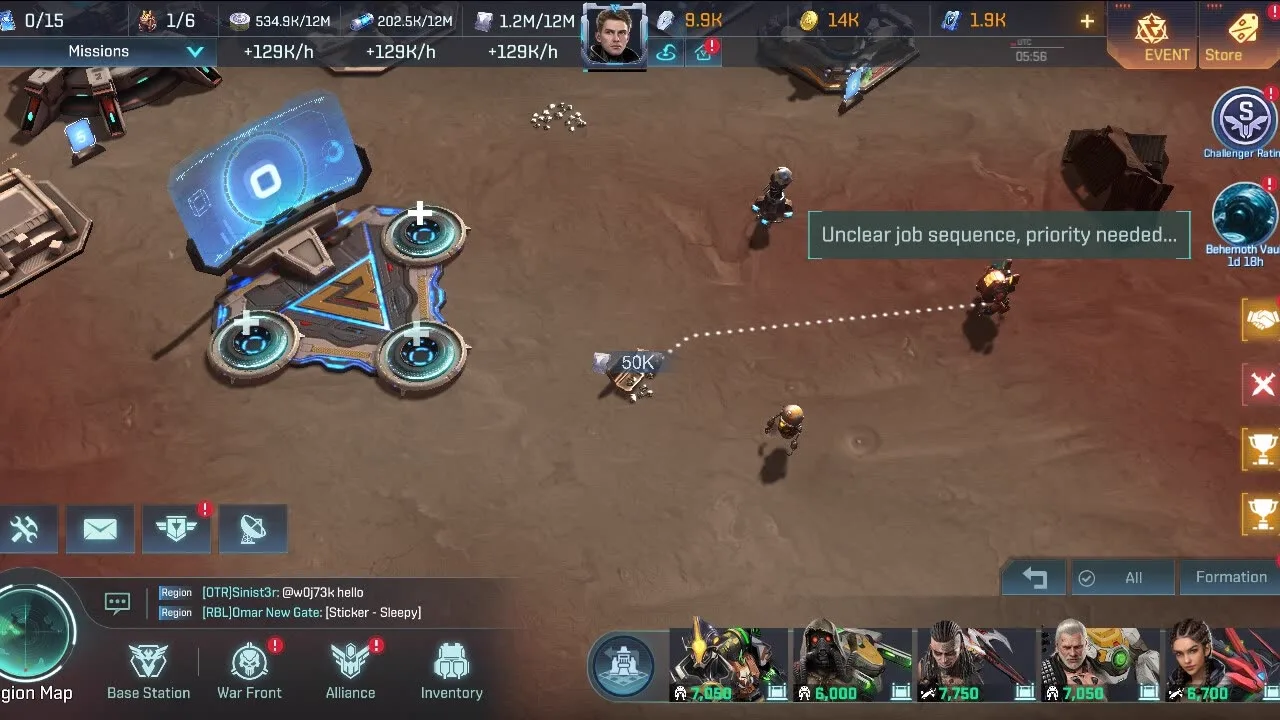
Each unknown planet you send a fleet to scout carries its own resource profile and risk level, and deciding where to commit your early exploration effort is a real strategic choice rather than a formality. Over-extend too early and you're defending outposts you can't actually support.
Free to Play · Project EntropyPlay Project Entropy free on PC▶ Command the FleetRunning a base economy across multiple planets
Unlike single-city strategy games, your production is spread across every planet you've claimed, and balancing what each colony specializes in (raw resources, manufacturing, research) determines how efficiently your empire actually functions as it grows. A player who claims planets faster than they can meaningfully develop them ends up with a wide but weak economy; slower, more deliberate expansion tends to outperform a land grab.
Heroes from alien species
Recruited heroes come from distinct alien species, each with its own strengths that matter for fleet composition and base management alike. Some species-aligned heroes are stronger fleet commanders, others are better suited to running the economic side of a base. Building a roster that covers both sides of the game, not just combat, pays off over the long run.
Fleet command and mecha combat
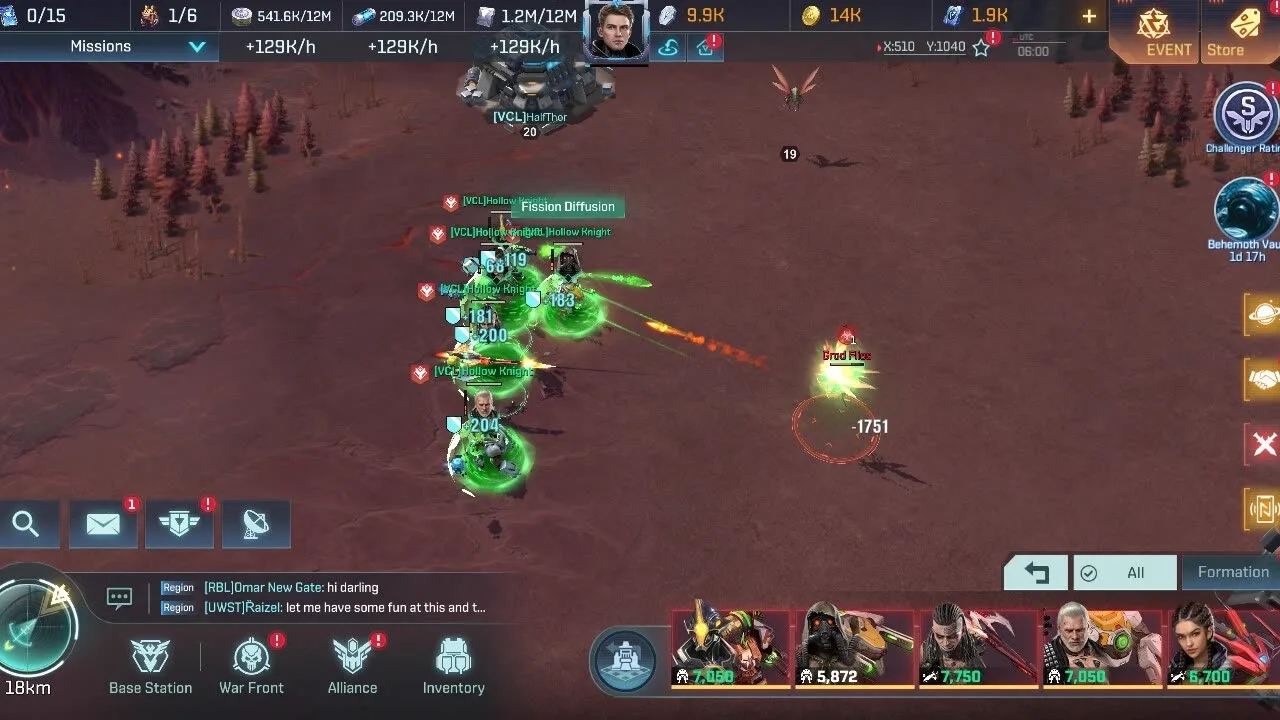
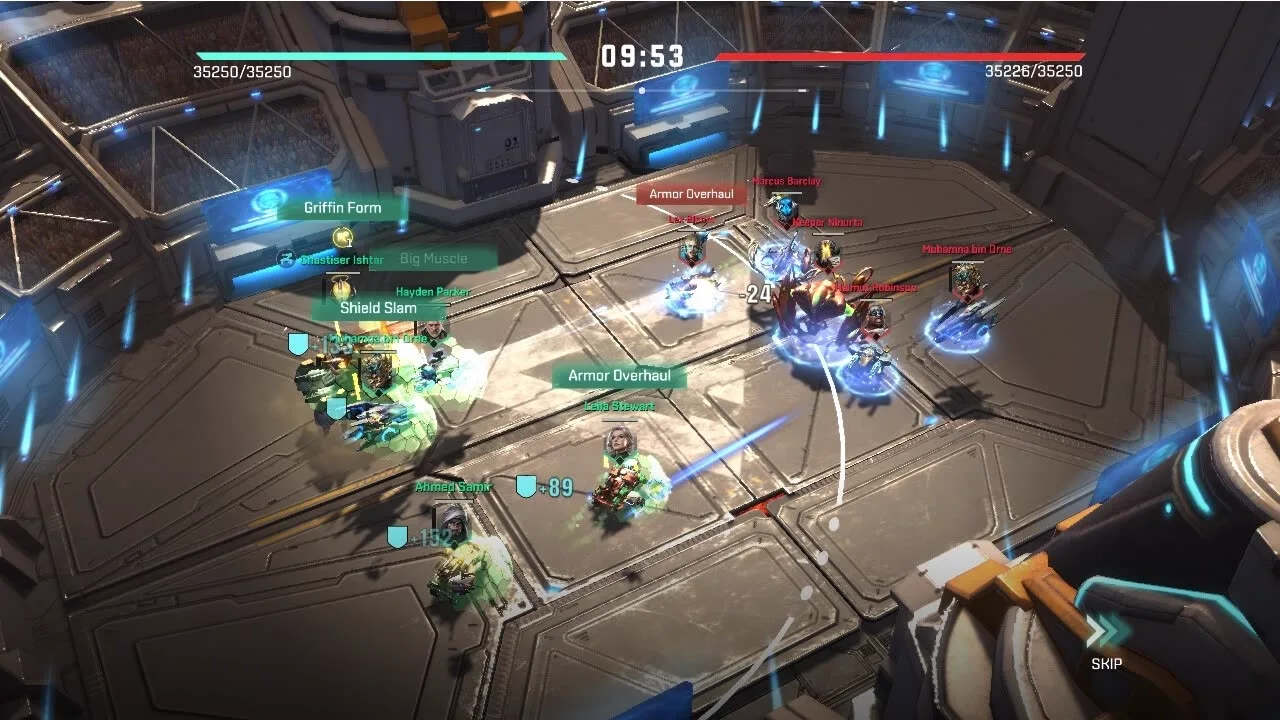
Fleet battles are where the strategic layer meets real-time execution. Positioning ships, timing mecha deployment, and reacting to an opponent's formation rather than just fielding the biggest numbers. A well-composed fleet with worse gear can still beat a stronger fleet that's badly positioned, which keeps combat from being a pure spreadsheet exercise.
Massive multiplayer resource wars
The endgame is built around contested resources that multiple alliances want simultaneously. The diplomacy and conflict around who controls what is where most of the long-term playtime actually goes, well past the point where the base-building and hero-recruiting loops have been fully explored solo.
Alliance diplomacy and the long game
As in most galactic-scale strategy games, the strongest players aren't necessarily the ones with the biggest fleets. They're the ones who negotiated the right non-aggression pacts and trade agreements to develop uncontested while rivals wore each other down. Treating diplomacy as a real tool rather than filler dialogue between fights is where the genre's most experienced players separate themselves from newcomers who only think in terms of combat power.
Research and the tech tree underneath it all
Underneath the exploration, base-building and fleet layers sits a research tree that quietly determines how competitive all three actually are. Production efficiency, ship stats and hero growth caps all trace back to research investment, which makes it the least flashy but most consequential system in the game. New commanders who pour everything into visible progress like fleet size while neglecting research tend to plateau hard once they meet opponents who prioritized it correctly. Front-loading a few key economic and logistics nodes before chasing military tech mirrors the advice that holds true across most games in this genre, and Project Entropy is no exception.
Seasonal events and content cadence
Beyond the core loops, Project Entropy runs limited-time events layered on top of the standing systems. Special resource wars, hero recruitment banners and cooperative objectives that give both new and veteran commanders a reason to check in regularly rather than settling into a static routine. These events tend to be worth participating in rather than being a distraction from the main game, since rewards often feed directly back into research, heroes or fleet upgrades that matter for the long-term strategic layer.
Getting started
Don't overinvest in a single hero or fleet composition in the first days. The roster is deep enough that early picks rarely stay optimal for long, and a flexible approach to team-building pays off more than min-maxing one early favorite. Joining an active alliance early matters more here than in most strategy games, since the resource wars that define the endgame are fundamentally group activities.
Who it's for
- Fleet management and mecha combat.
- Space exploration across unknown planets.
- Massive multiplayer resource wars.
- Free-to-play on Windows PC.
If you want a sci-fi strategy game with real long-game hooks and three systems deep enough to reward patience rather than punish it, Project Entropy is built for exactly that player, and it's free to start. Compared to Star Trek Fleet Command, it trades a licensed universe's familiar faces for an original setting with more creative freedom in how heroes and fleets are designed.
New commanders shouldn't feel pressured to master every system in the first week either. The exploration, base-economy, hero and fleet layers are designed to unfold gradually, and rushing to understand all four at once tends to produce worse decisions than learning them one at a time as the early campaign naturally introduces them.
It's free to try, and the opening missions do a good job of introducing each system in isolation before asking you to juggle all of them together.
However you land on it, the honest test is a few hours with a real commander. Theory only takes you so far in a game whose whole appeal is how its systems feel once they're actually running together.