Delta Force: the complete guide to Warfare and Havoc
One client, two very different shooters: massive combined-arms warfare and a tense PvPvE extraction mode. What Delta Force is and how to start free on PC.

 Free to Play · Delta ForcePlay Delta Force free on PC▶ Drop In & Fight
Delta Force, from TiMi Studio Group, reboots the classic tactical-shooter franchise as two games in one client. This hub covers both modes, how they fit together, and how to start well.
In this guide:
Operations Warfare: big, loud, combined arms
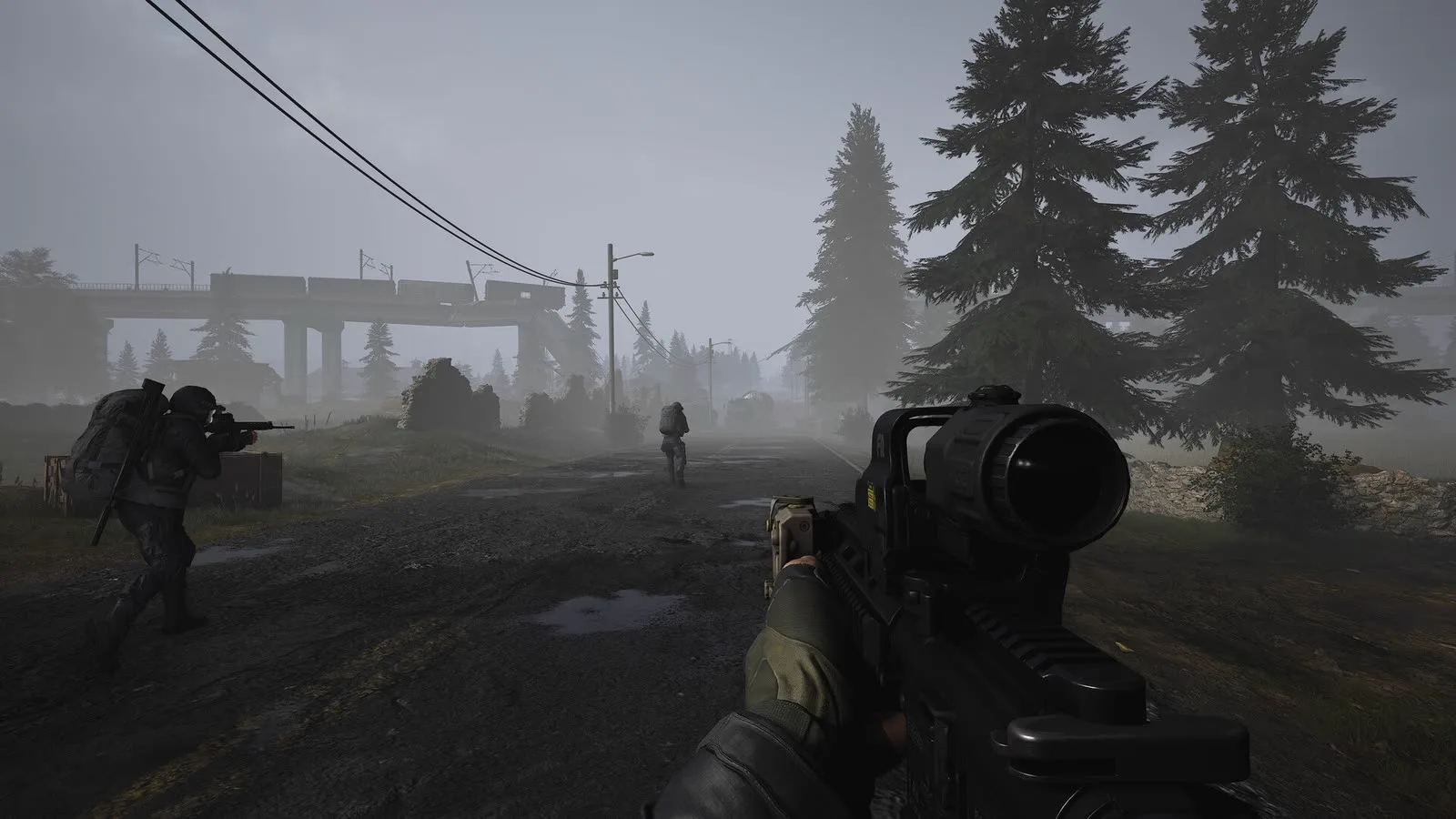
Squads fight across historic-scale battles with infantry, armor and air support in the same engagement. It's the mode for players who want scale — objectives shift as the map's balance of power does, and no single class wins a fight alone. A match can swing entirely on whether your side controls the skies or the armor lanes, not just who has better aim.
Classes and combined-arms roles
Free to Play · Delta ForcePlay Delta Force free on PC▶ Drop In & FightInfantry classes cover the usual assault, support and recon roles, but the real strategic layer comes from combining them with vehicle crews and air support — a well-coordinated squad that calls in armor at the right moment turns a stalled push into a breakthrough. Playing Warfare as a pure infantry shooter and ignoring the vehicle layer means missing half of what the mode is built around.
Vehicles and air support
Vehicles aren't a side activity bolted onto the infantry game — they're a full second layer with their own learning curve, from armor angling to air-support timing that can turn a losing push into a rout if called in at the right moment. Squads that coordinate infantry pushes with vehicle support consistently outperform squads treating the two as separate concerns, which is exactly the combined-arms identity the mode is built around.
Havoc Operations: bring your gear, or lose it

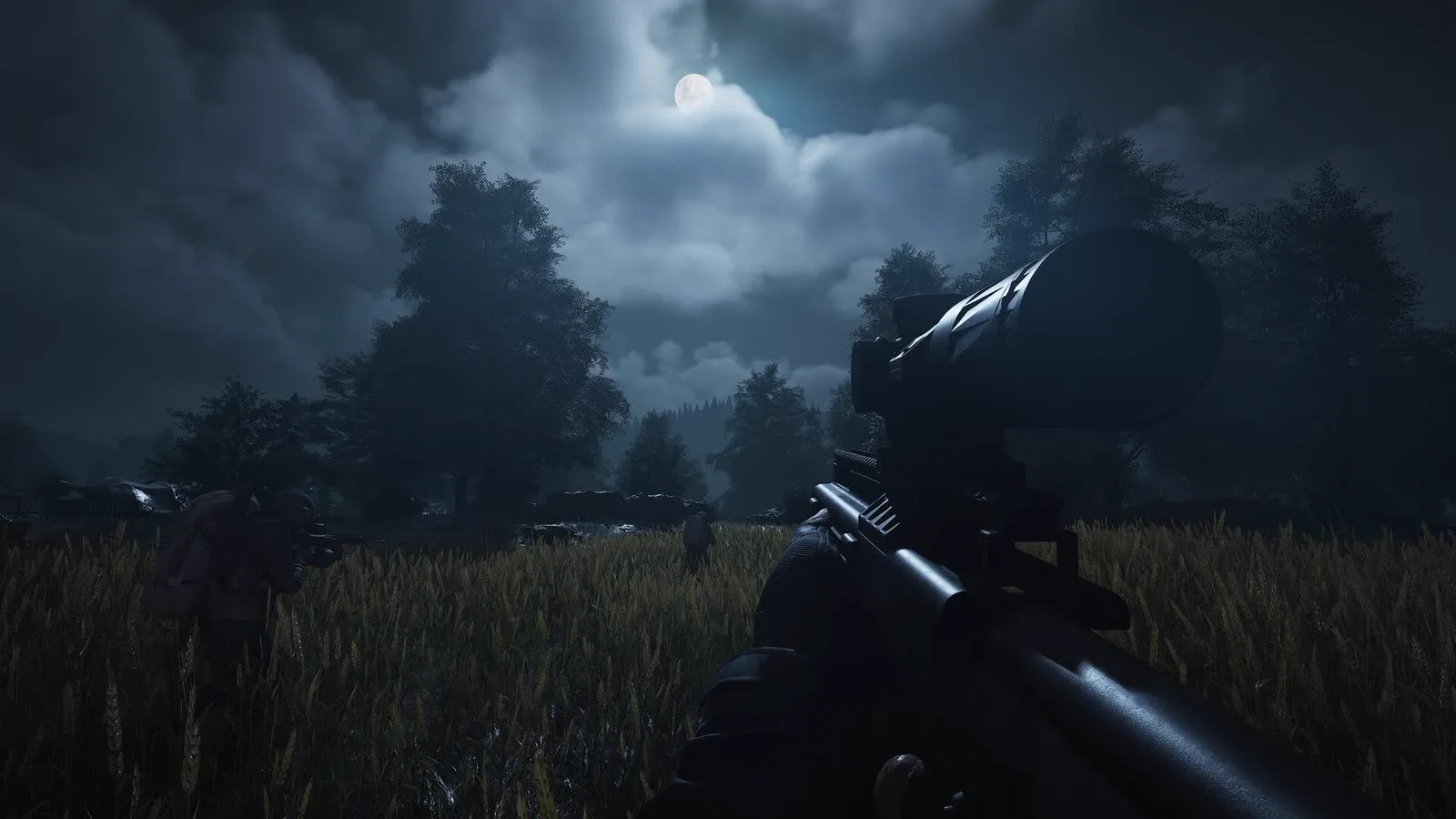
The second mode is a straight PvPvE extraction map — gear up, loot, and reach an extraction point or lose everything you carried in. It's a tonal 180 from Warfare's chaos: quieter, tenser, and about a single decision at a time. Bringing your best loadout into an early Havoc run before you know the maps is the same mistake extraction-shooter veterans warn about in every game in the genre — build a kit you can afford to lose while you learn.
Building a Havoc loadout you can afford
The same discipline that applies across every extraction shooter in the catalog applies here: don't bring gear you can't emotionally handle losing while you're still learning a map's layout and extraction points. A modest loadout that survives to extract teaches you more about a map than an expensive one that dies to an ambush you didn't see coming.
- Large-scale combined-arms battles (infantry, vehicles, air).
- A separate PvPvE extraction mode in the same client.
- Free-to-play on Windows PC.
Warfare is where you learn the gunplay. Havoc is where that gunplay actually costs something.
— Sofia Reyes
Which mode should you start with?
Warfare is the more forgiving on-ramp — dying doesn't cost you gear, and the large player count means individual mistakes matter less. Learn the gunplay and vehicle basics there before risking a real loadout in Havoc, where a single bad decision can undo twenty minutes of careful looting.
Progression across both modes
Weapon and gear progression is shared enough between the two modes that time invested in Warfare isn't wasted if you eventually move toward Havoc, and vice versa — you're building toward one arsenal, not maintaining two separate progressions in parallel. That shared economy is part of why the two-modes-one-client structure works as well as it does: neither mode feels like a side activity to the other.
Map knowledge also carries weight across both modes in a way that rewards spending real time in each — the geography lessons from a Warfare match on a given map often translate directly to knowing sightlines and chokepoints when that same region appears in a Havoc extraction layout, since the underlying world design shares a visual and tactical language across the client.
Squad play matters in both modes, but differently — Warfare rewards a large, loosely-coordinated force where individual mistakes wash out in the scale of the battle, while Havoc rewards a small, tightly-coordinated group where one person's mistake can end the whole run. Knowing which mode you're dropping into, and adjusting how closely you stick to your squad accordingly, is a habit worth building early.
Communication tools matter more in Havoc than Warfare for exactly that reason — a squad that can call out a spotted enemy or a compromised extraction route in real time has a real edge over one playing in silence, since a single unshared piece of information can be the difference between a clean extraction and losing everything.
Matchmaking in Warfare is generally forgiving of drop-in play with strangers, since the scale of the battle absorbs uncoordinated players reasonably well; Havoc is far less forgiving of that, and going in with an established squad rather than solo or with randoms is worth the extra setup time once you're running loadouts that actually matter to you.
Overall, the two-mode structure is the game's real pitch: rather than picking a lane and going deep on it the way most tactical shooters do, Delta Force is betting that combined-arms scale and lean extraction tension are different enough experiences to both deserve a spot in the same client — and for players who enjoy both moods, that bet pays off.
Who it's for
If extraction tension is what you're after specifically, Arena Breakout: Infinite is the purer version of that idea, without a combined-arms mode attached. Delta Force's real appeal is offering both flavors of tactical shooter from one install rather than forcing a choice between them — free to start on Windows PC, with no reason not to try both modes before deciding which one you actually prefer.