Goddess of Victory: NIKKE, the complete guide to the shooter RPG
A cinematic cover-shooter RPG with a serious story and unmistakable art. What NIKKE is and how to start free on PC.
 Free to Play · Goddess of Victory: NIKKEPlay Goddess of Victory: NIKKE free on PC▶ Enter the Story
Goddess of Victory: NIKKE, from SHIFT UP and published by Level Infinite, is a cinematic cover-based shooter RPG that's far deeper than its art first suggests. This hub covers what it really plays like, how the squad system works, and where to go next.
In this guide:
A real shooter with a real story
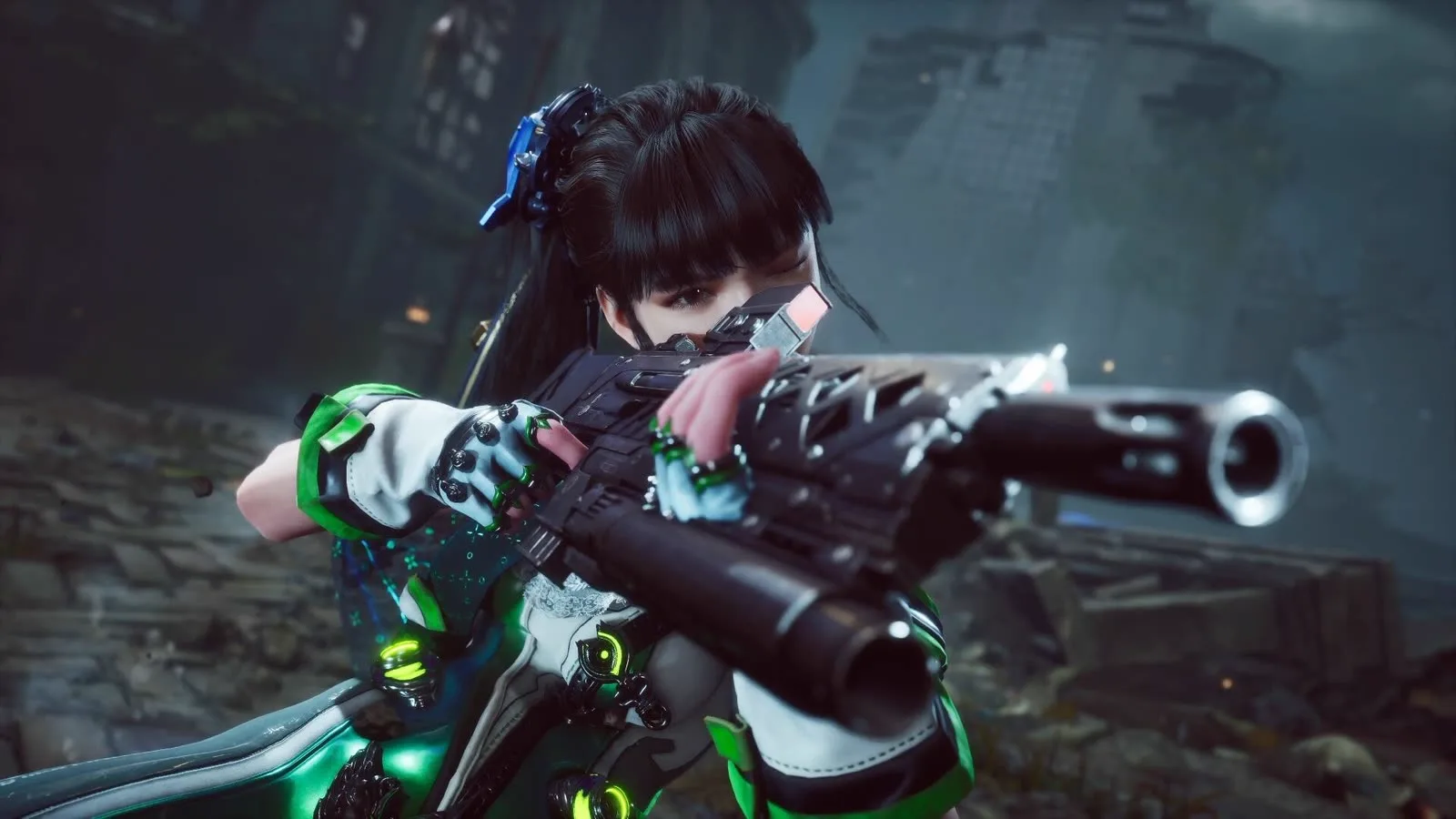
Command a squad of Nikkes in cover-based gunfights where weapon types and squad composition change how fights feel. All wrapped around a post-apocalyptic story that commits to its tone rather than treating narrative as an afterthought between gacha banners. It's easy to underestimate on art alone; the shooting underneath is built with real mechanical care.
Weapon types and how they change a fight
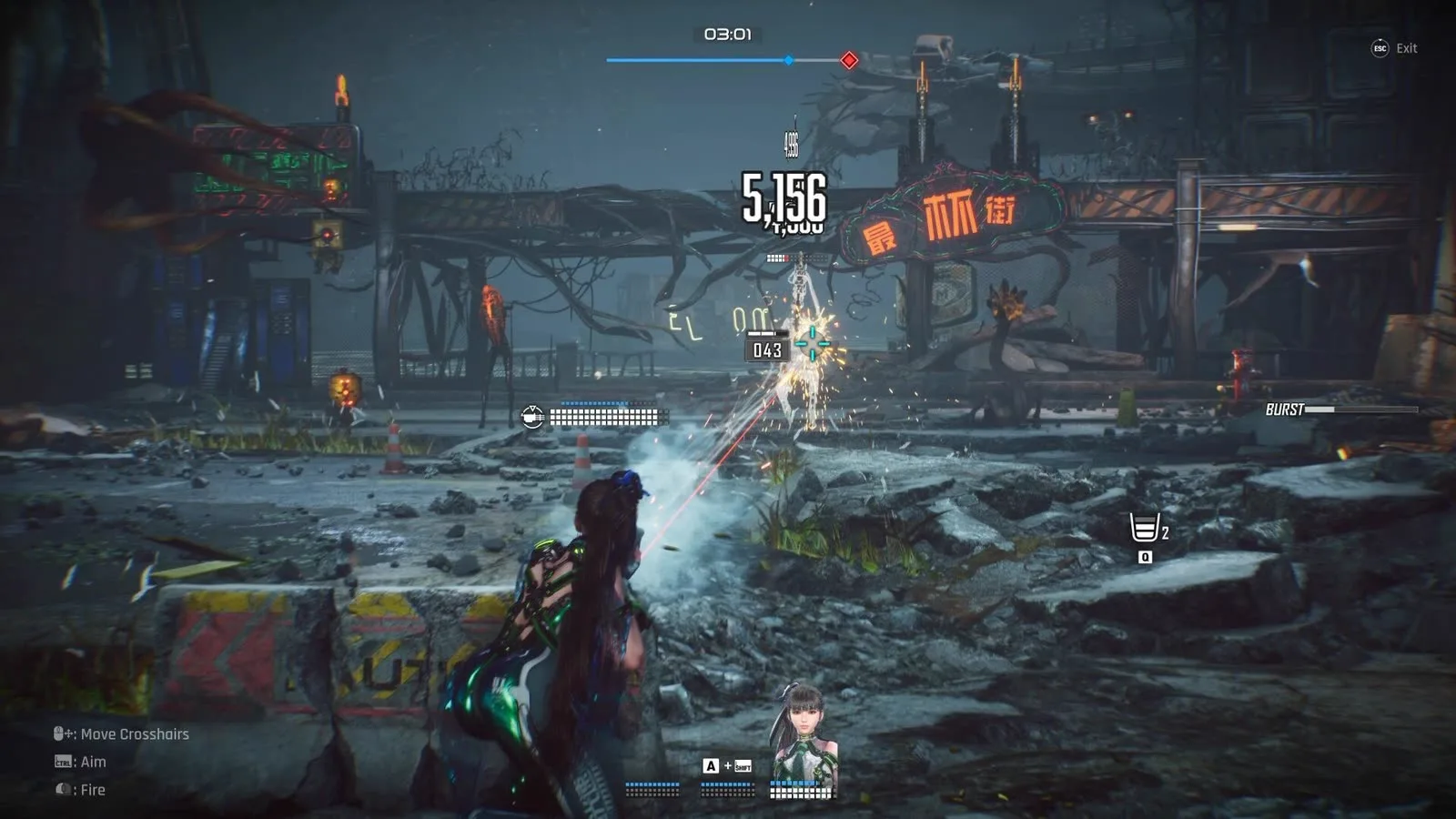
Each Nikke carries a distinct weapon type (assault rifles, shotguns, sniper rifles, submachine guns, rocket launchers) and each behaves distinctly enough that swapping one out changes your actual approach to a fight, not just your damage number. Cover positioning interacts with weapon range in ways that reward reading an encounter before committing a squad, rather than fielding whoever has the highest raw stats.
Free to Play · Goddess of Victory: NIKKEPlay Goddess of Victory: NIKKE free on PC▶ Enter the StoryCover and positioning
Unlike a lot of gacha-shooter hybrids that treat cover as a visual flourish, positioning here changes damage taken and dealt. Staying exposed against a sniper-range enemy is a mistake the game actually punishes rather than one that only matters cosmetically. Reading which enemies threaten which lanes of cover, and repositioning your squad accordingly mid-fight, is a real skill layer on top of squad-building.
Squad building around synergy
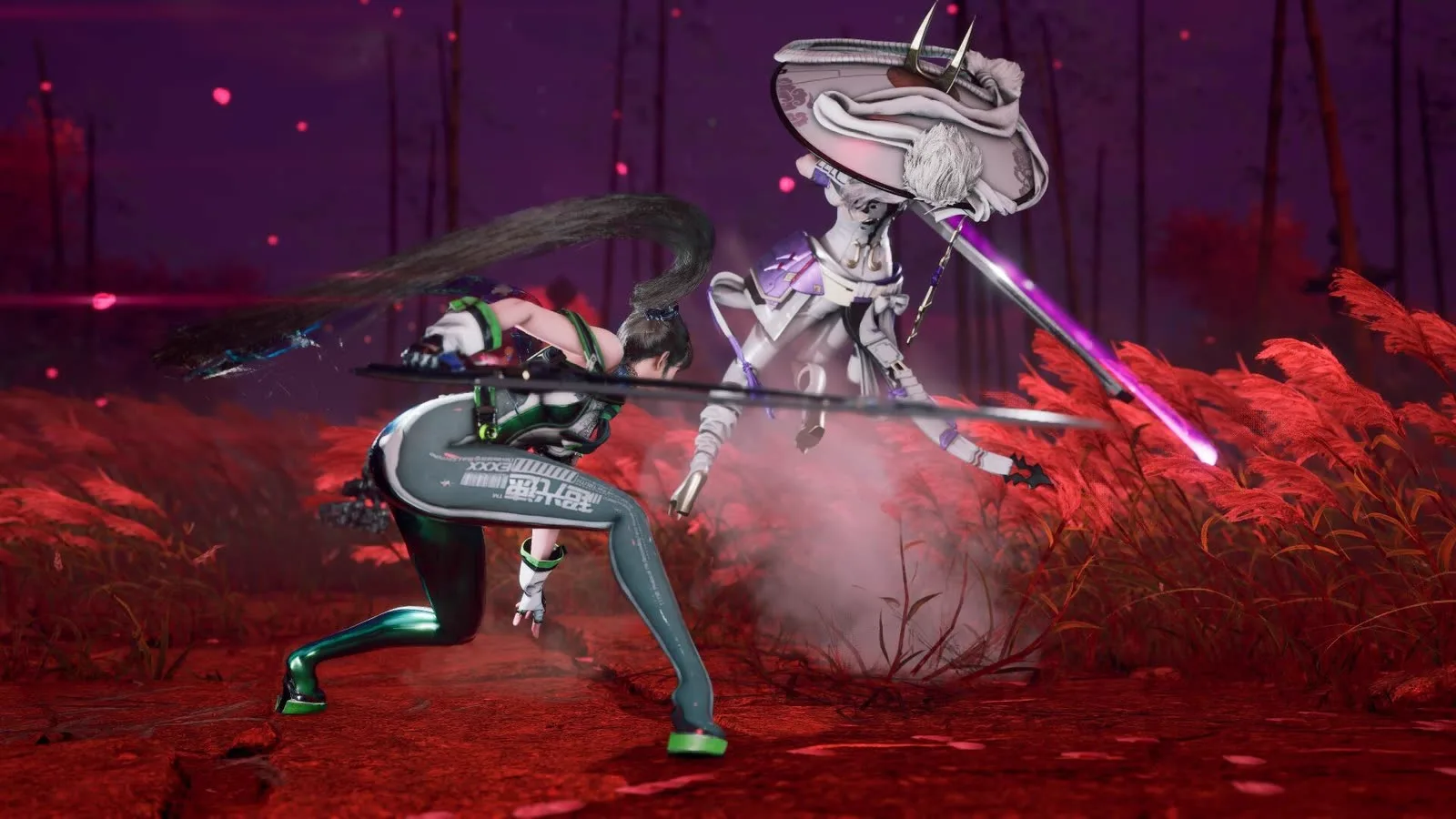
A squad of five needs to cover burst damage, sustained damage, and support (buffs, debuffs, healing) to perform well against harder content. A squad of pure damage dealers with no support tends to fall apart against anything with real health pools. Building toward specific squad archetypes, rather than just leveling whoever you like most, is where the RPG layer actually lives.
The burst system and turn order
Nikkes charge toward a burst skill at different rates, and sequencing bursts in the right order, building toward a full-squad chain rather than firing them off individually as they become available, is where a lot of the endgame damage optimization actually lives. A squad that fires bursts in a coordinated sequence noticeably outdamages the same squad firing them off haphazardly the moment each one is ready.
A story that commits to its tone
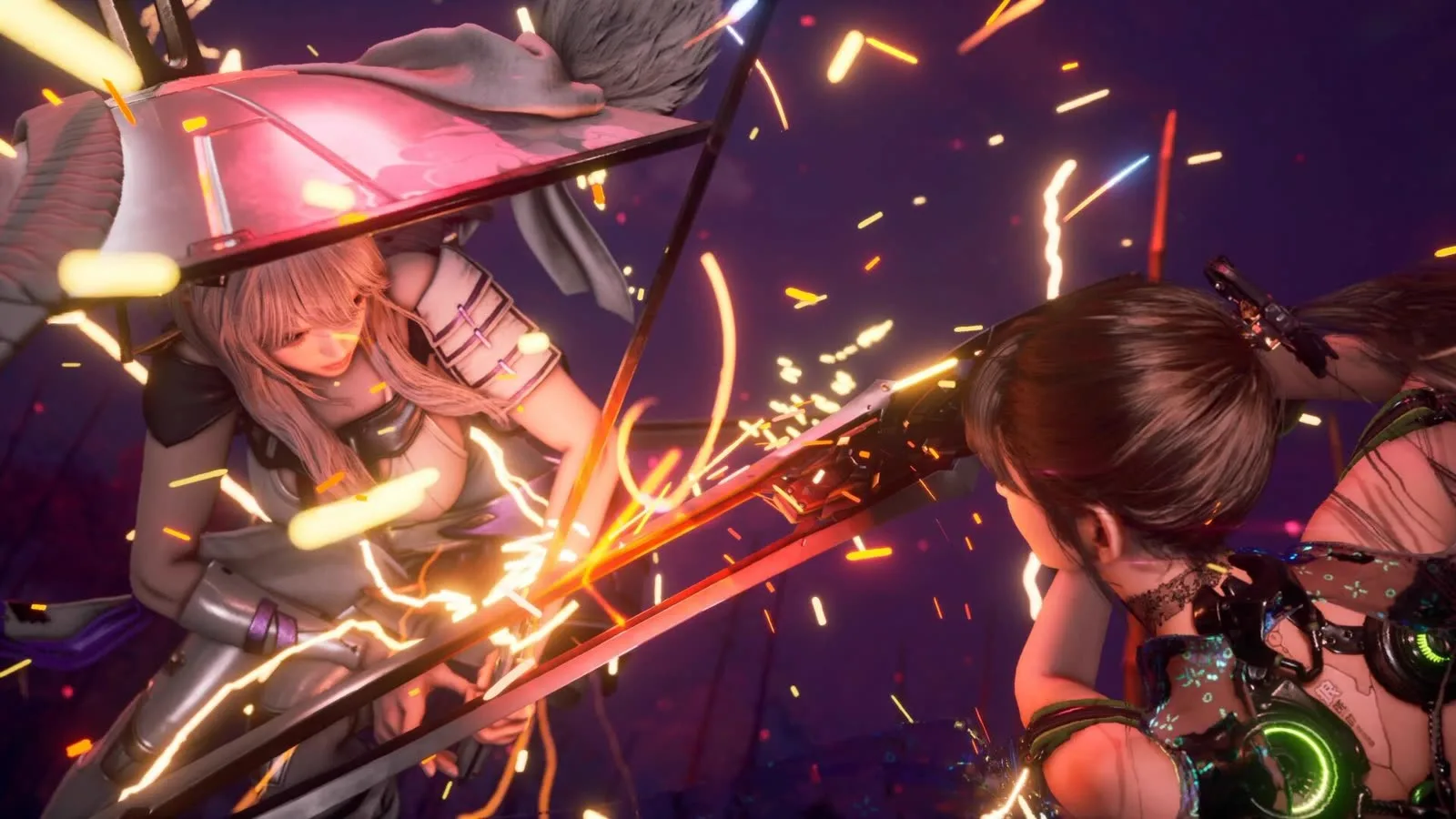
The post-apocalyptic setting, humanity survives underground after losing the surface, is played with genuine weight rather than as set dressing, and the narrative doesn't shy away from darker beats the way a lot of games in this genre do to stay consistently upbeat. It's one of the more narratively serious entries in the cover-shooter gacha space.
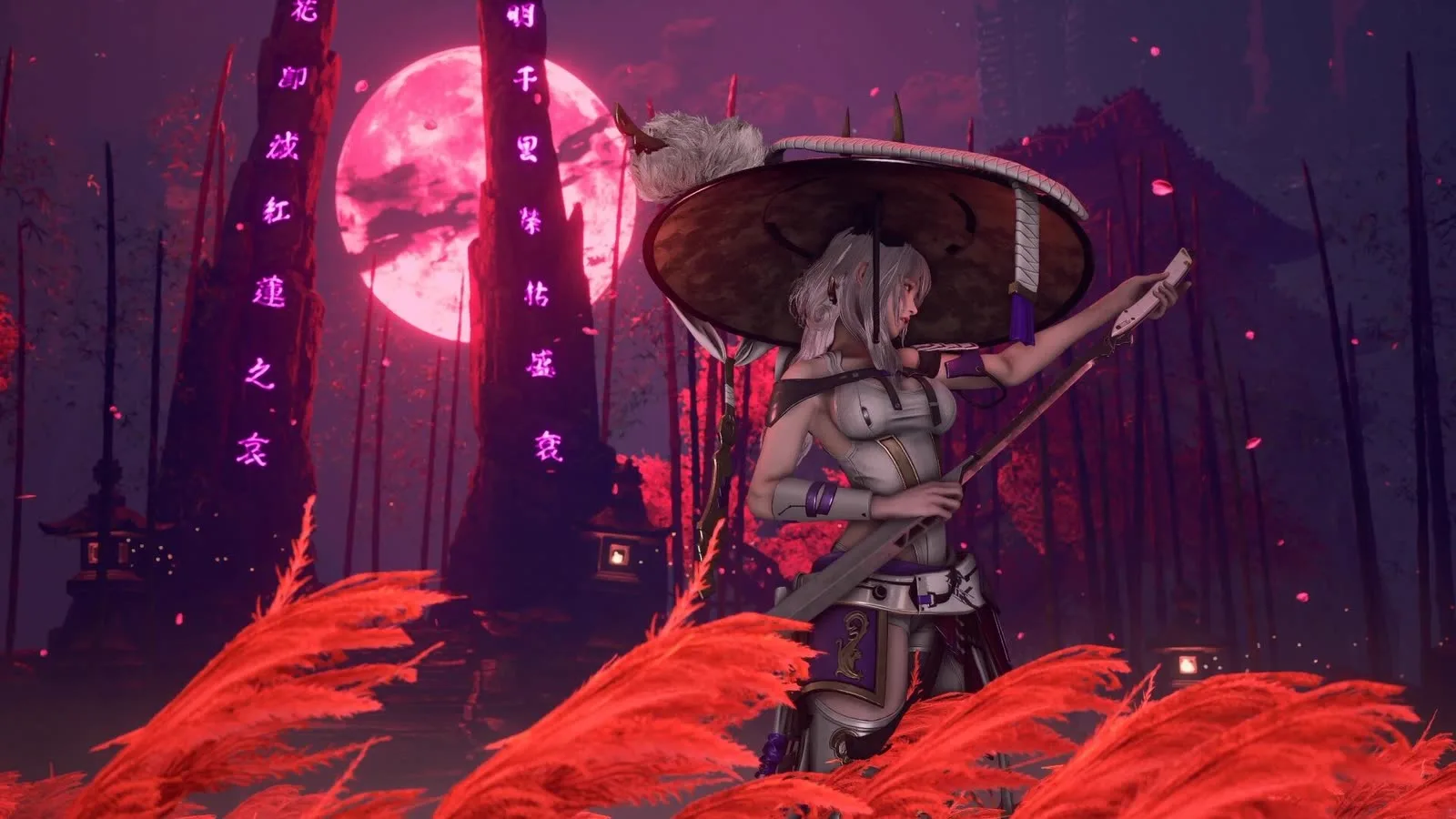
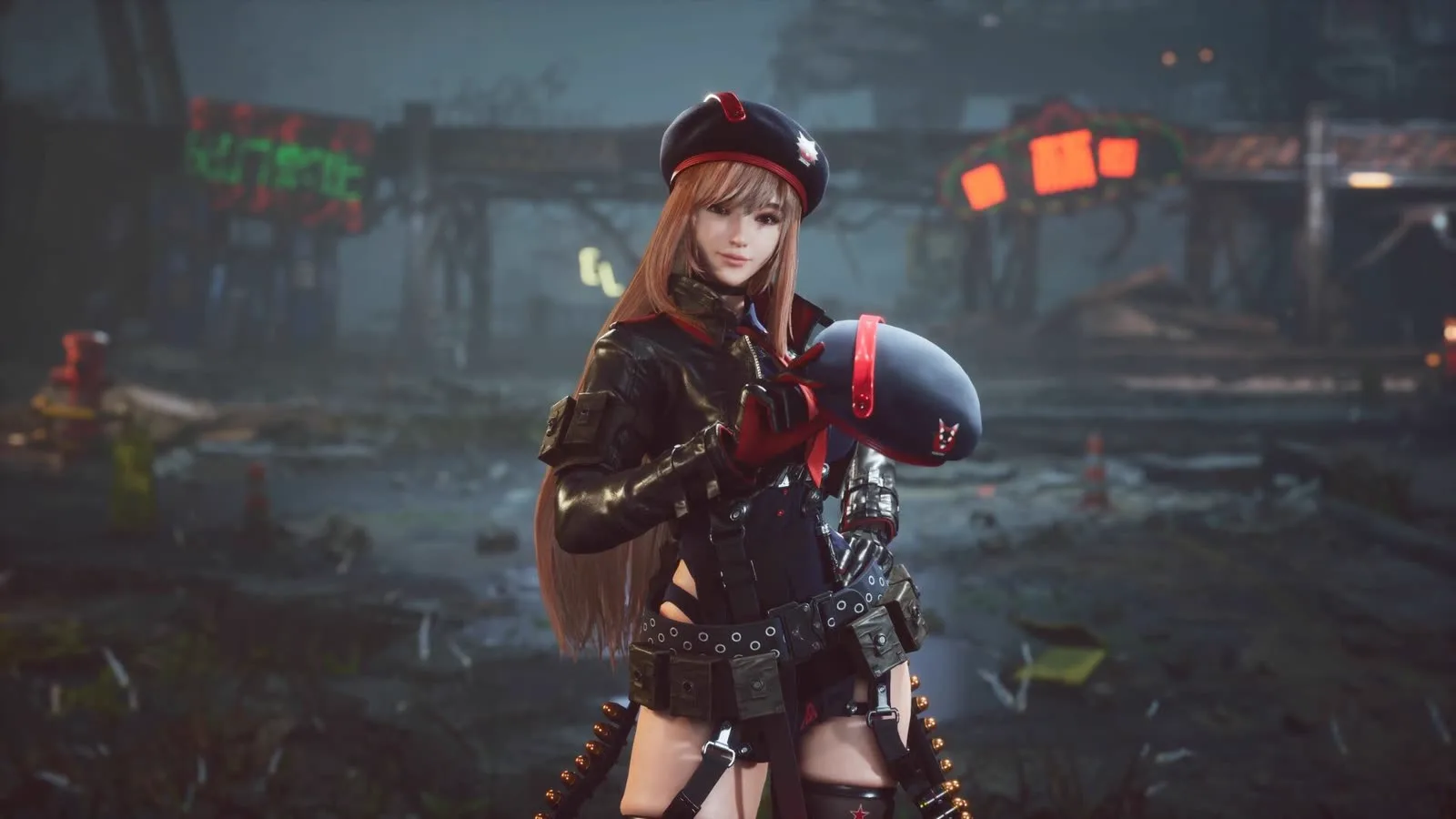
Character writing gets real attention too. Nikkes aren't just weapon-type icons attached to splash art, they carry individual arcs and relationships that pay off across the main story rather than existing purely as gacha banners with a name attached. Players who came in expecting a typical gacha character roster and stayed for the writing are a common enough story in the community that it's worth flagging directly.
Free-to-play progression here follows a familiar rhythm for the genre. The early campaign is generous with resources and roster options, and the pace of new gear and character growth slows once you reach the point where endgame difficulty modes actually push back. Treat the slowdown as the game settling into its real rhythm rather than a wall, and pace your own expectations accordingly rather than trying to force through content faster than your squad's actual power supports.
For players weighing NIKKE against the catalog's other anime-styled shooters, the honest distinction is tone: it leans into a serious, character-driven story more than most, and the combat is built to reward the same kind of squad-composition thinking that anime tactical RPGs ask for, wrapped in a third-person shooter's moment-to-moment feel.
Visually, the art direction commits fully to its style rather than hedging toward something more generic to broaden its appeal. That's a deliberate choice that will either land immediately for you or not, and the game doesn't spend much energy trying to convince players who bounce off the presentation on sight. It's worth judging on a few missions rather than screenshots alone, since the combat feel doesn't fully come through in stills.
The install itself is straightforward on Windows PC with no unusual system demands beyond what any modern live-service shooter asks for, so the barrier to actually trying it and forming your own opinion is low.
Getting started
Build toward a balanced squad from the start rather than stacking damage dealers. Support Nikkes matter more than their flashier teammates once content difficulty ramps up. For the fuller breakdown of what to expect on PC specifically, read NIKKE on PC, explained.
Don't skip the story dialogue to rush into combat. A fair amount of the game's appeal is specifically in the narrative pacing, and skimming through it to get back to squad battles undersells what the writing is actually doing across the main campaign.
Who it's for
- Cover-based third-person shooting.
- Squad building around weapon types.
- A serious, story-driven campaign.
- Free-to-play on Windows PC.
Then judge the art-versus-substance question yourself, it's free.
New content (story chapters, Nikkes and endgame modes) has shipped on a steady schedule since launch, so a new account today isn't just catching up on a finished game; there's an active, ongoing story to follow alongside longtime players.