Once Human: the complete guide to the free survival open world
Base-building, co-op and sci-fi horror in a contaminated world. What Once Human is and how to start free on PC.
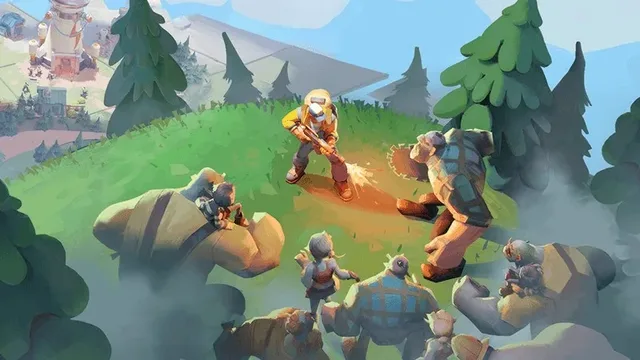 Free to Play · Tiles SurvivePlay Tiles Survive free on PC▶ Outlast Them All
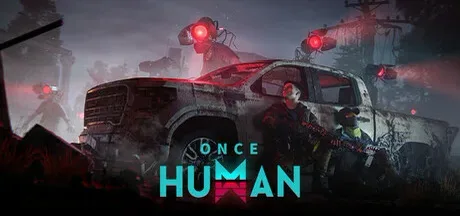
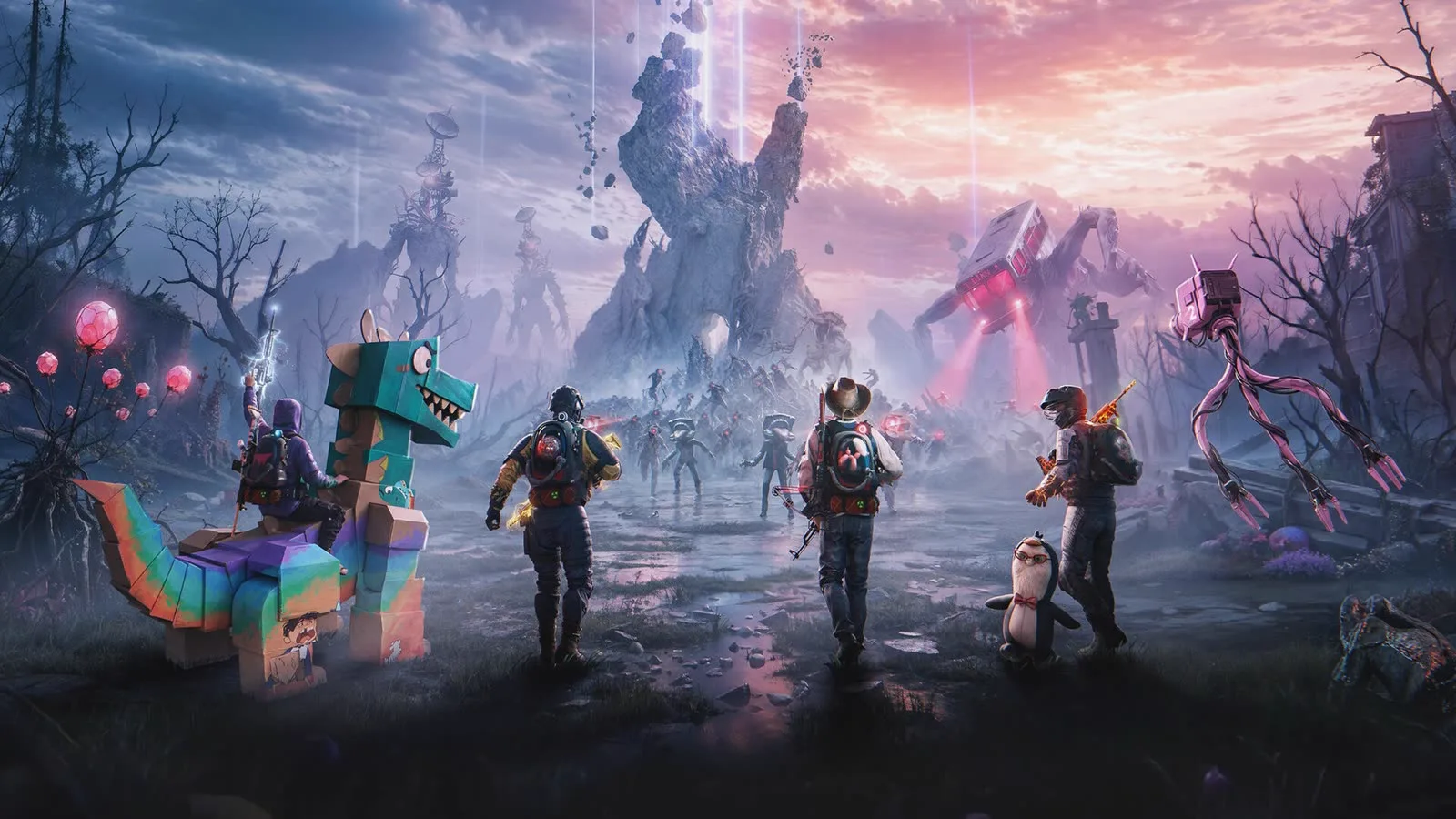
Once Human is a free-to-play open-world survival game with an eerie, contaminated soul, developed by Starry Studio and published by NetEase Games. This hub covers what it is, how it plays, and why players keep logging in past midnight.
In this guide:
- Survival with atmosphere
- Exploring a contaminated world
- Crafting and gear progression
- Base-building and territory
- Co-op, PvP and playing solo
- Deviations: the sci-fi horror hook
- Seasonal resets and what carries over
- Weather, day-night cycles and preparing ahead
- Mistakes that cost new survivors the most
- Why play it
Survival with atmosphere
Explore a huge post-apocalyptic map, loot and craft, build and defend a base, and fight mutated horrors solo or with a squad. The systems are solid (crafting, base defense, gear progression all hit the marks the genre expects) but it's the sci-fi horror mood that sets it apart from the survival pack. The contamination isn't just a color palette; it's woven into the enemies, the environmental storytelling and the sense that the world was normal recently enough that its wrongness still feels unsettling rather than just decorative.
Exploring a contaminated world
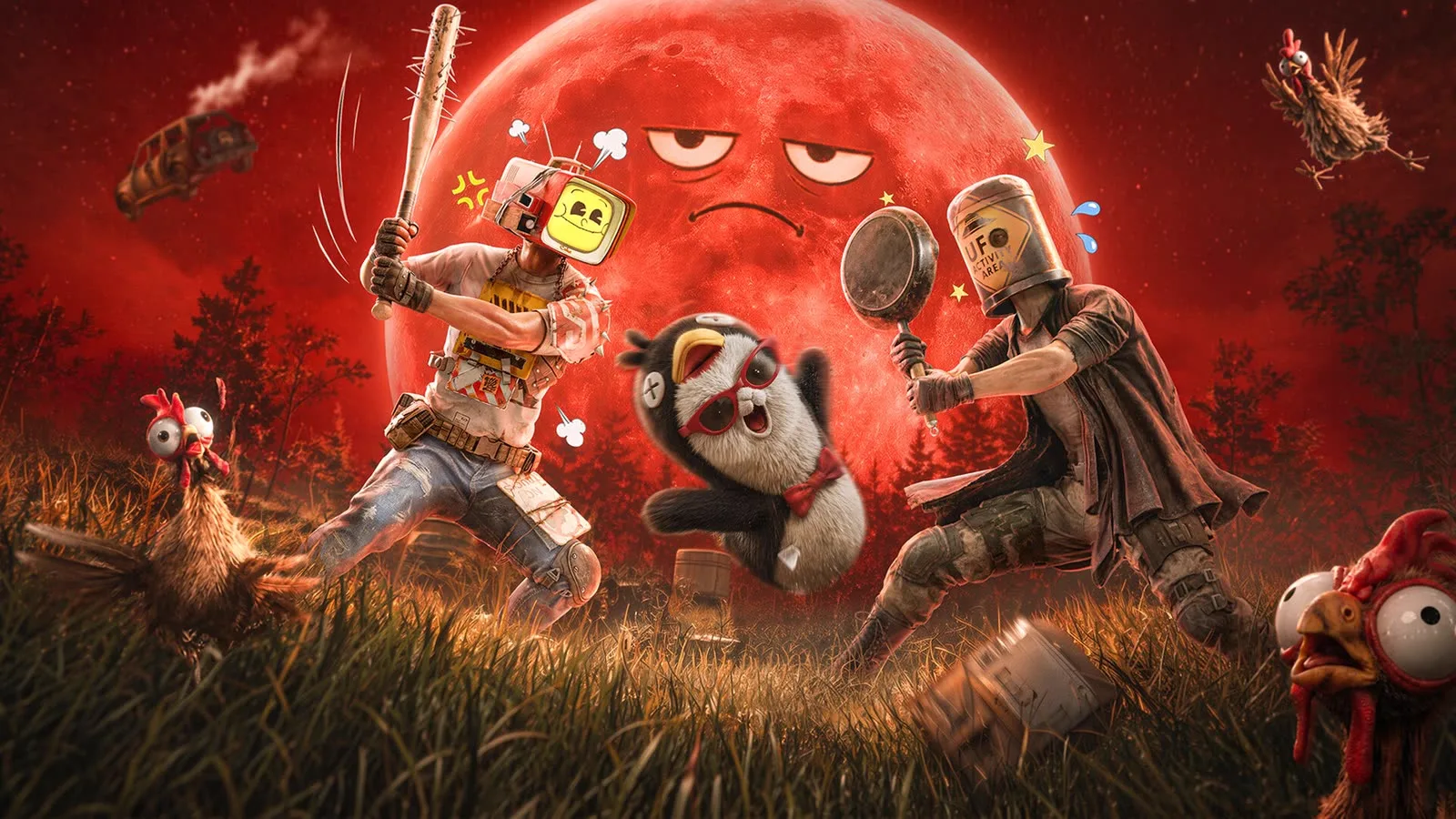
The map is large, with distinct regions that shift in tone and threat level the further you push from the early zones. Resource scarcity is real early on, the game wants you making tradeoffs about what to carry and what to leave behind, but eases as your base and gear improve, which keeps the early-hours tension from calcifying into permanent frustration.
Free to Play · Tiles SurvivePlay Tiles Survive free on PC▶ Outlast Them AllCrafting and gear progression
The crafting tree is deep enough to reward specialization rather than crafting everything at a shallow level. Leaning into a specific gear focus (ranged combat, base defense, mobility) tends to produce a more capable character faster than spreading crafting effort evenly across every category. Materials gathered while exploring feed directly back into that specialization, so the exploration and crafting loops reinforce each other rather than existing as separate systems.
Base-building and territory
Base construction is deep: layout matters for defense against both the environment and other players, and a well-planned base becomes a real asset rather than just a fast-travel point. Territory control adds a layer most pure-PvE survival games skip. Where you choose to settle has consequences for who else might come looking.
Co-op, PvP and playing solo
Once Human scales cleanly from solo play to full squads. Base defense and resource gathering both get easier with friends, but nothing about the core loop requires a group. PvP exists for players who want it without being forced on everyone, which matters a lot in a genre where mandatory open PvP has driven plenty of players away from otherwise-good games.
Deviations: the sci-fi horror hook
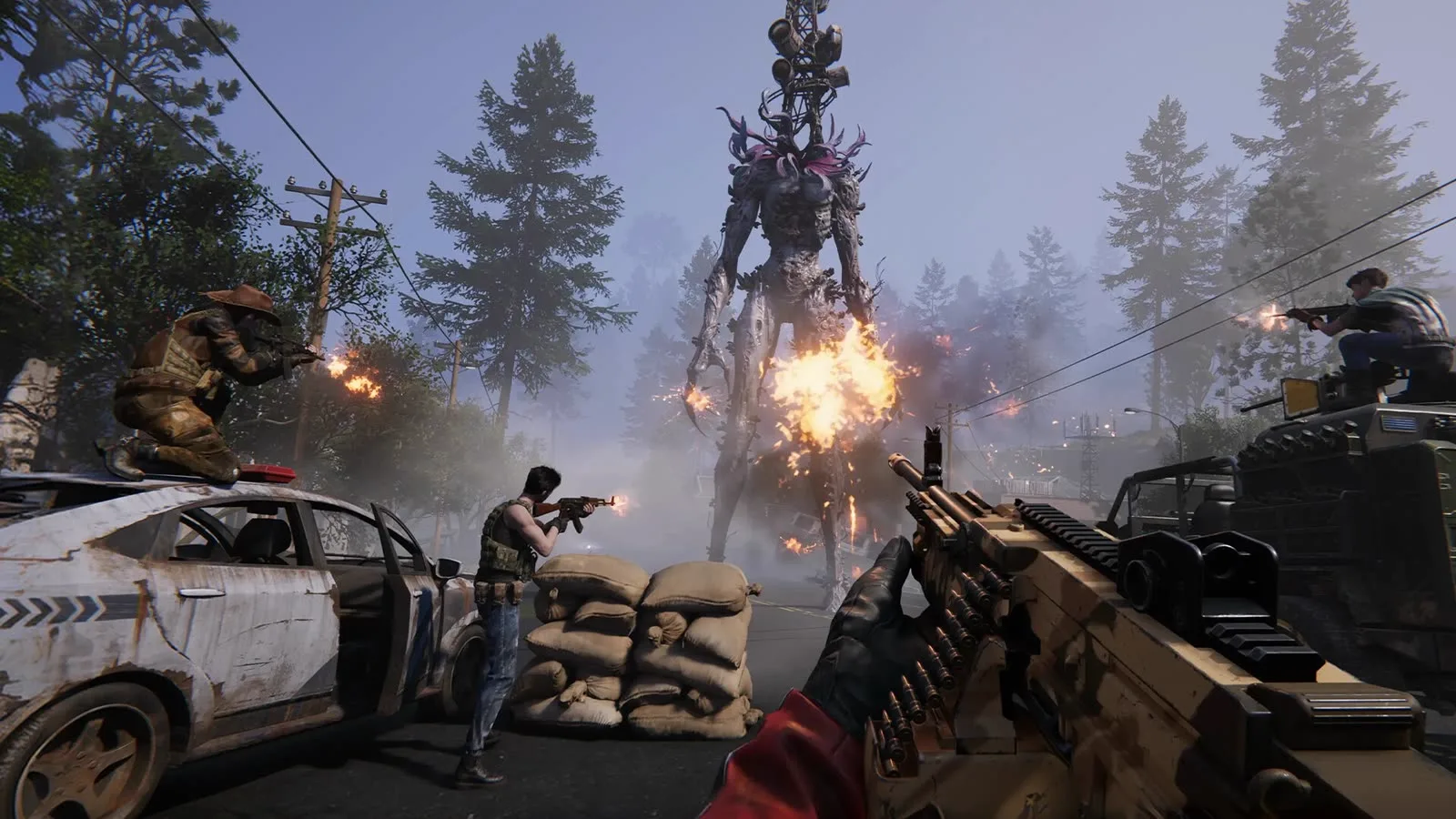
The signature enemies, Deviations, are mutated, reality-warped threats that lean fully into body-horror sci-fi rather than generic zombies, and encountering a new Deviation type for the first time is where the atmosphere pays off hardest. It's the single biggest differentiator from the crowded field of post-apocalyptic survival games, most of which reach for the same handful of familiar threats.
Seasonal resets and what carries over
Once Human runs on a seasonal structure where some progress carries forward and some resets with each new season's map and scenario changes. Worth knowing going in so a season transition doesn't feel like losing progress you expected to keep. Each season also tends to shift the map's threats and layout meaningfully, which keeps veteran players engaged with new content rather than a re-skinned repeat of the last cycle.
Weather, day-night cycles and preparing ahead
Environmental conditions change what's viable. Certain regions and time windows bring hazards that punish players who wandered out unprepared, and reading the environment ahead of a push is as important as checking your inventory. Stockpiling the specific countermeasures a region calls for, rather than a generic all-purpose loadout, is a habit that separates players who explore confidently from players who get caught out repeatedly by the same predictable hazard.
Mistakes that cost new survivors the most
A few habits explain most of the difference between players who thrive in the early hours and players who bounce off in frustration. Overbuilding a base before securing a reliable resource loop is one of the most common, a sprawling, undefended structure with no steady income of materials is more liability than asset. Ignoring specialization is another: trying to be equally good at ranged combat, base defense and mobility at once tends to leave a character mediocre at all three when a dangerous Deviation shows up.
- Build small and defensible first. Expand once your resource loop is stable.
- Pick a crafting specialization early rather than spreading effort evenly.
- Scout a Deviation before engaging it. Many have tells that reward patience over aggression.
- Don't ignore seasonal patch notes; scenario changes can shift where it's safe to settle.
Why play it
- Open-world survival with deep base-building.
- Co-op and PvP for solo players and squads alike.
- A distinct sci-fi horror tone built around Deviations.
- Free-to-play on Windows PC.
If contaminated open worlds and base defense are your thing, Once Human earns the install for the atmosphere alone. Few survival games commit as fully to a specific mood, and that commitment is what keeps players coming back past the point where the raw systems alone would carry them.
Whether you play it solo or with a squad, give the first couple of hours a real chance before judging the pace. The survival genre front-loads scarcity by design, and Once Human's atmosphere is at its strongest precisely when resources still feel tight.
The map's regions are varied enough that a slow first area doesn't predict the rest. Later zones shift tone meaningfully, which keeps the exploration loop from settling into repetition.